
Alright, let’s ditch the stiff brochure talk and get real about Mera Peak. So, you’re thinking about climbing Mera Peak? Good call. It’s the king of trekking peaks in Nepal, chilling at 6,476 meters (yeah, that’s over 21,000 feet—wild, right?). You’ll find it out in the Solu-Khumbu region, not far from Everest, but way less crowded and way more “wow”—perfect if you want a taste of the Himalayas but don’t have, you know, a death wish or pro climbing skills.
Here’s the scoop: Mera Peak isn’t some technical, ropes-and-ice-screws nightmare. People with decent fitness and a bit of high-altitude trekking under their belt can do this. You’ll learn the basics—how to use crampons, swing an ice axe, and tie yourself into a rope—under the watchful eye of Sherpa guides who could probably do this route blindfolded.
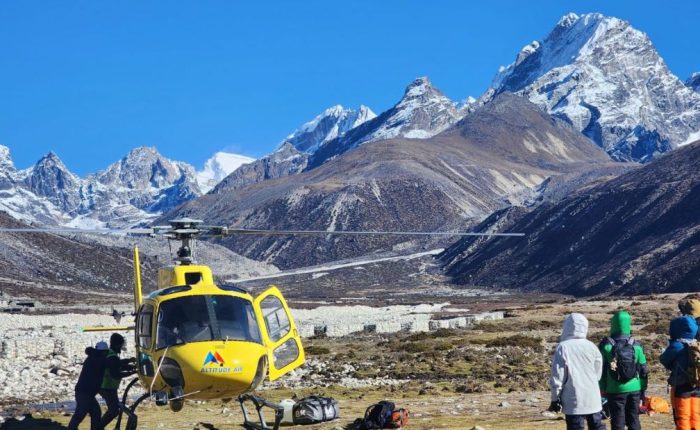
But honestly, the climb is just half the story. Getting to Mera Peak is a trip in itself. You’ll fly into Lukla (hang onto your seat—it’s a wild ride), then hit the trail. Forget the Everest Base Camp traffic jam; this route’s way more chill. You’ll pass through the Hinku Valley and Makalu Barun National Park, wandering through forests, crossing rivers, and popping into Sherpa villages where time is stopped. Expect yak sightings, prayer flags everywhere, and monasteries that look straight out of a movie.
The higher you go, the weirder and more amazing it gets. Forests turn into rocky moonscapes, glaciers show up, and suddenly you’re stomping through snowfields with nothing but epic mountain views and the occasional yak for company. Oh, and the Sherpas? Absolute legends—super welcoming, and you’ll get a peek into their whole mountain-spirituality vibe.
If you’re going with Sali Trekking (they know their stuff), the route’s mapped out to give you time for your body to catch up to the altitude. You’ll cross Chatra La Pass, hang out in Thuli Kharka, drop down to Kothe, and then keep going through valleys and forests till you hit Thagnak and Khare. Khare’s where you chill, acclimatize, and get a crash course in glacier travel before heading to Base Camp and then High Camp—your launchpad for summit day.
Summit day is, well, nuts. You’re up before dawn, clipping on crampons under a sky packed with stars. The climb itself isn’t super steep—nothing over 40 degrees—but you’ll be roped up for safety, just in case. It’s all about slow and steady, with your guides making sure you don’t fall into a crevasse or anything dramatic like that.
And then, boom, you’re at the top. The view? Unreal. Everest, Lhotse, Makalu, Cho Oyu, Kanchenjunga—basically, a who’s-who of Himalayan giants all in your face. Honestly, there’s not much that beats standing on that summit, legs shaking, lungs burning, feeling like an absolute boss. Worth every second of the slog.
So, yeah, Mera Peak isn’t just a climb—it’s an adventure, a cultural deep dive, and a story you’ll be telling for the rest of your life.
I mean, if you’re gonna climb something wild in Nepal, this is the one that keeps calling out to every adventure junkie I know.
– First off, you’re not just trudging up some basic trail. The Hinku Valley? It’s this tucked-away wonderland most folks never see. Quiet forests, little Sherpa villages where life still moves slowly, and not a single tourist mob in sight. You get the real deal, not the Everest Base Camp circus.
– And let’s talk bragging rights: 6,476 meters. That’s Nepal’s tallest trekking peak. You’re standing way above the clouds, feeling like a complete boss, and without even needing to be some ice-climbing ninja.
– The views up there? Insane. I’m talking full-on Himalayan overload: Everest, Makalu, Lhotse, Cho Oyu, Kanchenjunga—just throw in the world’s five highest peaks for good measure. Try fitting that all into one selfie. Good luck.
– Never used crampons before? No biggie. The Sherpa guides have your back—ice axes, ropes, the whole shebang. You’ll pick up mountaineering basics on the go, so you don’t just survive, you learn something cool.
– And you’re not roughing it alone. Legit guides, porters who make it look easy, cooks who somehow whip up hot meals at altitude…they all make sure you’re safe, fed, and probably more comfortable than you’d expect.
– Zero hassle. Literally—food, flights, permits, and gear, all sorted. You just show up and start walking. Someone else worries about the details.
– Oh, and Chatra La Pass? That’s not your average stroll. You cross this epic mountain pass at 4,610 meters, with views that’ll have your phone camera begging for a break.
– At night, you crash in classic teahouses or mountain tents, soaking up Sherpa hospitality. It’s cozy, it’s real, and the stories you’ll hear are next level.
– Wildlife? Absolutely. You’re trekking through national parks where snow leopards and Himalayan black bears are probably watching you from the trees (no pressure). Musk deer, too, if you’re lucky.
– The culture’s half the magic. Old monasteries, spinning prayer wheels, getting a glimpse of Buddhist rituals—stuff you just don’t get back home.
– And yeah, reaching the top? That’s a life highlight. You’ll remember that feeling forever—standing way above the world, Himalayan winds in your face.
– One more thing: Sali Trekking is all about doing it right. Eco-friendly, giving back to the locals, and keeping these mountains as wild as they’ve always been.
If you want a real Himalayan adventure, not just a touristy box to tick, Mera Peak’s where it’s at.
https://youtu.be/5YvQSIdNQ0Y?si=W-nnl-3Idw2cpdAb
Arrive in Kathmandu, the capital city of Nepal. After settling into your hotel, spend the day exploring the vibrant city, or simply relax and prepare for the trek.
After an exhilarating flight from Kathmandu to Lukla (2,840m), you begin your trek. The trail leads through lush forest trails, offering scenic views as you ascend gradually to Chutanga (3,020m). This first day is about adjusting to the altitude with a trek of about 4-5 hours covering approximately 6 km.
Today, you cross the Zatrala Pass (4,600m). The trek is challenging, with a steep ascent to the pass, but the panoramic views of the Himalayas are worth the effort. After the pass, descend to Thuli Kharka (4,300m), with a total distance of 10 km, taking around 7-8 hours.
The trail descends through lush rhododendrons and pine forests towards the Hinku Valley, leading you to Kothe (3,691m). This 6-7 hour trek covers approximately 11 km. The descent allows for easier walking while still maintaining the enchanting mountain scenery.
Today’s trek involves a gradual ascent to Thaknak (4,358m), moving along the Hinku River and through pastures. The journey spans 8 km and takes about 4-5 hours, allowing you to enjoy the serene landscapes and acclimatize further.
Continuing up the Hinku Valley, you reach Khare (5,045m) after trekking for 6 km over 4-5 hours. This is a critical acclimatization day with stunning views of Mera Peak along the way. Spend time exploring and adjusting to the altitude.
An acclimatization day in Khare is crucial before attempting the ascent of Mera Peak. The key is to rest and allow your body to adjust to the altitude. Here are some activities to consider:
Rest: Prioritize sleep and relaxation to aid acclimatization.
Light Exercise: Gentle activities like walking around the village can help improve circulation.
Gear Check: Take time to inspect and prepare your climbing equipment.
Hydration: Drink plenty of fluids to stay hydrated.
Nutrition: Consume energy-rich foods to fuel your body.
Relaxation Techniques: Practice meditation or deep breathing to manage stress.
Remember, the primary goal of this day is to give your body time to adjust to the altitude, so avoid exerting yourself excessively.
The trek from Khare to Mera High Camp is a crucial stage in your Mera Peak climbing expedition. It involves a significant altitude gain and requires proper acclimatization.
The journey typically begins with a steady ascent through rocky terrain and glacial moraine. As you gain altitude, the landscape transforms into a vast, icy expanse. The trail becomes steeper and more challenging as you approach Mera Base Camp. From there, the final push to Mera High Camp involves navigating through snow and ice, with the constant challenge of altitude.
It’s essential to pace yourself during this ascent, allowing your body to acclimatize gradually. The journey can be physically demanding, but the reward is a night spent in a stunning high-altitude camp, surrounded by the majestic Himalayas.
The ascent to Mera Peak’s summit is an early morning affair, typically starting around midnight or 1 am. The climb from High Camp to the summit takes approximately 5-8 hours. The initial part involves navigating through snow and ice, gradually gaining altitude. As you approach the summit, the terrain becomes steeper, and fixed ropes might be used in certain sections. Once at the summit, climbers are rewarded with breathtaking panoramic views of the Himalayas, including Everest, Lhotse, Makalu, and Cho Oyu. After spending some time at the summit to soak in the experience and capture photos, the descent begins.
The descent back to High Camp is generally quicker than the ascent. Climbers follow the same route, carefully navigating the snowy slopes. Upon reaching High Camp, it’s crucial to rest and rehydrate.
The following day, climbers descend from High Camp back to Khare. This typically takes around 3-4 hours. The journey offers an opportunity to relax and reflect on the summit achievement while enjoying the stunning mountain scenery.
Note: The duration of the summit push, descent, and overall itinerary can vary depending on weather conditions, group size, and individual fitness levels.
A buffer day in case of bad weather or other delays. If not needed, you can use this day at the end in Kathmandu.
Retrace your steps back to Kothe, descending along the Hinku Valley. This 6-7 hour trek covers about 11 km. The descent is easier on the body, and you can enjoy different perspectives of the landscapes you passed earlier.
Continue back to Thuli Kharka, ascending through the forested trail. The trek takes around 6-7 hours, covering 11 km. The familiar path allows you to appreciate the journey in reverse.
Re-cross the Zatrala Pass, making your way back to Lukla. This 10 km trek takes 7-8 hours, with a steep ascent followed by a descent into Lukla, where you can celebrate the completion of your trek.
A morning flight back to Kathmandu, where you can rest and reflect on your incredible journey through the Himalayas.
Depart from Kathmandu, taking with you unforgettable memories of the Mera Peak expedition. Transfer to the airport for your onward journey or extension of your stay in Nepal.




Alright, let’s cut to the chase—no flowery nonsense, just the real deal.
So, Mera Peak isn’t just some hike you stroll through. It’s a full-blown Himalayan mission. We’re talking days of slogging through forests, random tiny villages, and wild mountain valleys.
You’ll end up in spots where WiFi is just a rumor and yak herders are more common than cars. You’ll bump into Sherpa folks who basically invented “mountain cool,” and, if you’re lucky, maybe snag some of their homemade butter tea (acquired taste, trust me).
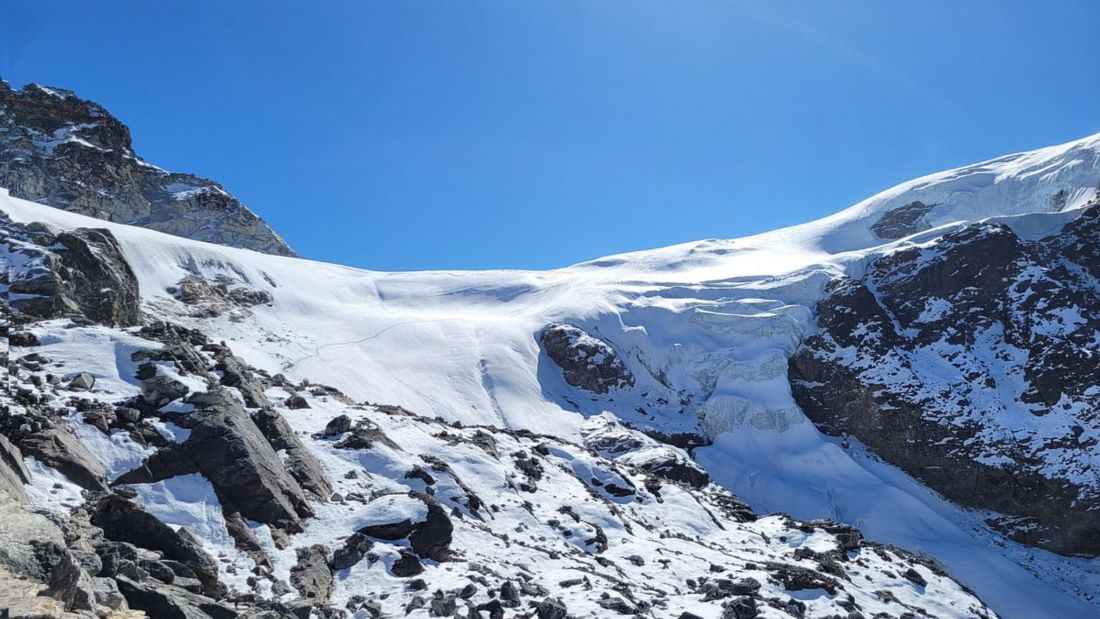
The climb itself? Yeah, it’s called a “trekking peak,” but don’t let that fool you. Near the top, it’s all ice, snow, and the kind of crevasses you’ve only seen in documentaries. You’ll use crampons, ice axes, ropes—the whole mountaineer starter kit. Don’t worry, the Sherpa pros have your back and will teach you so you don’t do anything too dumb.
Altitude is a beast. Above 6,000 meters, even tying your shoes feels like a marathon. Expect headaches, maybe some nausea, and a lot of heavy breathing. The guides build in time to help your body cope, but still, bring your patience and some good tunes for the slower days.
The payoff, though? Insane views. On summit day, you get this wild 360-degree mountain panorama—Everest, Lhotse, Makalu, Cho Oyu, and Kanchenjunga—all the big names just chilling on the horizon. Take a moment, snap a pic, and pretend you’re in a North Face ad.
You won’t be doing this alone, by the way. The local guides and Sherpas pretty much run the show, from carrying your stuff, setting up tents to making sure you don’t wander off into a crevasse. They’re total legends.
Most trips are all-inclusive, so they sort out your food, beds, gear, and even your duffel bag gets a ride on a porter’s back. Down low, you get cozy teahouses; up high, it’s tents and mountain stargazing.
Honestly, it’s not just your body that gets a workout—your brain will be pushed too. Every tough bit you get through feels like a win. You’ll come home with mad respect for the mountains, a camera full of ridiculous photos, and probably a new love of instant noodles.
So yeah, Mera Peak is adventure, culture, a high-altitude challenge, and mind-blowing scenery all smashed into one trip. If you’re up for it, you’ll walk away with wild stories and bragging rights forever.
In short, the Mera Peak Expedition offers adventure, cultural connection, high-altitude challenge, and unparalleled mountain scenery—all combined into one life-changing Himalayan journey.
Let’s not sugarcoat it—this isn’t exactly your average Sunday stroll. You wanna tackle Mera? First thing: fitness matters. We’re talking real stamina here, not just “I jog sometimes” energy. Expect to walk your butt off for like 6-7 hours a day, and it’s not flat either.
There are uphill loose rocks and gasp-worthy heights. Toss in a daypack, and, yeah, your legs are gonna feel it. If huffing up a flight of stairs wipes you out, maybe pause and chat with your doctor before signing up.
As for technical stuff—look, Mera isn’t Everest, so you’re not dangling off a cliff by your teeth or anything. But there’s still some gear to wrangle: crampons, ice axes, and a bit of roped glacier action.
If you’ve never strapped on a pair of crampons in your life, don’t panic; the Sherpa crew will show you the ropes (literally). Still, if you can squeeze in a basic mountaineering course or some high-altitude hikes beforehand, you’ll be less of a fish outta water.
Altitude? Oh man, it’s no joke. We’re talking over 6,400 meters up there—air gets thin, breathing gets weird, and altitude sickness isn’t just for the weak. If your highest hike so far is your local hill, maybe start with something a little lower in Nepal.
It’s smart to know how your body reacts before you’re halfway up a glacier, right? Listen to your guides about acclimatizing, or you’ll end up learning the hard way. Nobody wants that.
Mentally, it’s a grind. You’ll be freezing, tired, and sometimes grumpy, and mountain weather is a drama queen. If you’re the kind who craves a challenge and that epic “I did it!” feeling, you’ll love it.
But if “adventure” for you means sipping lattes with a view, maybe go for something tamer like the Everest View Trek or Annapurna Base Camp. No shame—just know your vibe.
Mera Peak is all about pushing yourself—mentally, physically, and maybe even emotionally. If you’re fit, hungry for adventure, and ready for a little discomfort, it could be the experience of a lifetime. Just prep well, listen to your guides, and bring your sense of humor. You’ll need it.
– Start training early. No, really—don’t just hit the gym a week before and expect magic. Get your legs used to the grind, slap on a heavy backpack, and throw in some cardio and squats. Your knees will thank you later.
– Don’t mess around with acclimatization. Those “rest days” on the itinerary? They’re not just for sipping tea and swapping stories. Take ‘em seriously, or you’ll be hugging a yak, dizzy and miserable, halfway up.
– Water. Chug it. Eat real food, not just energy bars. Your body is gonna burn calories like crazy, so fuel up or risk running on empty when it matters most.
– Sherpa guides know their stuff. If they say the weather’s sketchy or tell you to slow down, listen. They’ve done this more times than you’ve probably had hot dinners.
– Pack smart, not like you’re moving house. Essentials only—leave the kitchen sink at home. Your back will curse you if you overpack.
– Layer up. Mornings can be freezing, afternoons will have you sweating, and nights…well, good luck. Layers are your friend. Fashion goes out the window up there.
– Bring your best attitude. Seriously, half the battle is in your head. Stay upbeat, roll with the punches, and remember: the mountain doesn’t care about your plans, so keep your chill.
Alright, let’s break it down—real talk, if you want to climb Mera Peak in 2025 or 2026, here’s the stuff you care about: how tough is it, how much does it cost, what junk do you need to bring, where do you sleep, and hey, when’s the best time to go so you’re not freezing your butt off or stuck in a blizzard? Let’s get into it.
Look, Mera Peak isn’t Everest, but don’t think you’re just strolling up a hill. At 6,476 meters (yeah, that’s 21,000+ feet, if you’re counting), the air’s thin, your lungs are screaming, and if you skip acclimatization, altitude sickness is gonna smack you. You’ll trek 5–7 hours a day.
Some days, it’s a chill forest walk. Other days? Rocky, icy, straight-up glacier action. You’ll be using crampons, maybe roped up, and probably questioning your life choices at least once.
Oh, and the weather? Wild card. Sun one minute, snowstorm the next. Nights are cold—like “I regret not packing a better sleeping bag” cold. If you’re fit, stubborn, and know how to use basic climbing gear, you’ll be fine. If not, better start training.
Brace yourself: climbing in Nepal isn’t cheap, but it’s not outrageous either. Here’s the breakdown—rough estimates, but close enough:
Permits:
– Spring (Mar–May): $250
– Autumn (Sep–Nov): $125
– Off-season: $70
– Makalu Barun Park: $30
– Khumbu Municipality: $20
Guides and Porters:
– Climbing Guide: $35–$50/day (they actually know what they’re doing, so worth it)
– Assistant Guide (if you’re fancy): $25–$35/day
– Porter (carries your heavy stuff): $20–$30/day
Most group packages roll these costs into the price, so you’re not handing out cash every day.
Where You Sleep & Eat:
– Teahouse: $10–$20/night (the more remote, the pricier)
– Meals: $25–$35/day (don’t expect five-star cuisine, by the way)
– Up high (climbing days): expect a $1,000+ “full board” fee. Ouch.
Gear Rental (if you’re not bringing your own bling):
– Gear set (ice axe, crampons, harness, helmet, boots): $200–$250 for the trip
– Sleeping bag & down jacket: $2–$3/day each
Getting There:
– Round-trip flight Kathmandu–Lukla: $450 (yep, it’s really that much for a tiny plane)
Other Stuff:
– Insurance (with helicopter rescue!): $120–$200 (trust me, don’t skip this)
– Tips (guides/porters): $80–$150 total (unless you’re a cheapskate)
– Wi-Fi, charging, hot shower, etc., a few bucks here and there (pay the man if you want your phone charged)
All-Inclusive Package Price
If you just want to pay once and not think about it again, Sali Trekking (or similar companies) will hit you for $2,200 to $3,200 per person. This covers pretty much everything—permits, flights to Lukla, guides, porters, your food and beds, climbing gear, group ropes, emergency gear, some training at Khare, and airport pickups in Kathmandu. Not included: your personal insurance, tips, booze, snacks, or bringing that extra fancy jacket.
Timing is everything, buddy. Here’s the deal:
Spring (March–May)
This is prime time. You get stable(ish) weather, blue skies, not too hot, not too cold. The lower trails explode with rhododendrons, so if you’re into hiking through Instagrammable scenery, this is your jam. Higher up, yeah, still snowy—no surprises there.
Autumn (September to November):
Honestly, if you’re gonna trek Mera Peak, this is the time to do it. Everyone and their grandma is out there because the sky is stupidly clear after the monsoon, the mountain views are next level, and you’re not freezing your face off. Trails are dry, the air’s crisp, and the vibes are immaculate. Peak season for a reason.
Winter (December to February):
You can climb in winter, sure, but don’t expect it to be a walk in the park. We’re talking bone-chilling cold, snow that actually means business, and daylight that ghosts you by 4 pm. Only try this if you’re hardcore (and packing serious gear). Otherwise, maybe just enjoy a hot chocolate in Kathmandu.
Monsoon (June to August):
Look, unless you’re a big fan of mud baths and surprise landslides, skip Mera Peak during monsoon. Trails get sketchy, rain never ends, but hey, the forests look like something out of Jurassic Park—super green and lush. Still, not worth it unless you’re a botanist with a death wish.
Honestly, packing can make or break your trip. Forget something vital and you’ll be miserable. Here’s what you need:
Clothing
– Base Layers: Think thermal tops and long johns. No one cares if you look like a ninja.
– Insulation: Fleece, down jackets, basically anything that keeps you toasty at 4,000 meters.
– Outer Shell: Waterproof, windproof jacket and pants. Gore-Tex is king, but anything legit works.
– Trekking Pants & Shirts: Light, quick-dry stuff for the lower trails.
– Gloves: Bring thick ones and some liner gloves. Cold fingers are the worst.
– Hats: Warm beanie for the cold, sun hat for when you’re baking at lower altitudes.
– Socks: Wool or synthetic, and lots of them. Wet feet are the enemy.
– Gaiters: Keep snow and rocks out of your boots. Not just a fashion statement.
Footwear
– Trekking Boots: Waterproof, broken-in, with ankle support. Don’t bring shiny new boots or you’ll get blisters from hell.
– Climbing Boots: Double boots for summit night, unless you like frostbite.
– Camp Shoes: Something chill for evenings—Crocs, sandals, whatever.
Technical Gear (usually you can rent)
– Ice axe, crampons, harness, helmet, ropes, carabiners—the whole mountaineering starter pack.
Accessories
– Sunglasses (UV protection or your eyeballs will regret it)
– Headlamp + extra batteries (power cuts are a thing)
– Trekking poles (your knees will thank you)
– Water bottles or hydration bladder
– Sleeping bag rated for -20°C (seriously, don’t skimp)
– Personal meds & first aid kit
Misc. Stuff
– Sunscreen and lip balm (don’t underestimate the sun up there)
– Camera, or just use your phone for those TikTok-worthy views
– Passport, permit, insurance docs (you know, adulting)
– Snacks: energy bars, nuts, chocolate—whatever keeps you moving
– Toiletries and a fast-drying towel
Accommodation:
You’ll mostly crash at tea houses, which are basically cozy shacks run by locals. Expect basic beds, maybe a blanket, and bathrooms you’ll want to keep expectations low for. At higher camps, it’s tent life or barebones huts. It’s all part of the charm.
Food:
Menus are all about Nepali classics—dal bhat for days, momos (dumplings!), noodles, soups, veggie curries. Some places throw in pancakes or pasta if you’re missing home. Eat carbs and protein like it’s your job—your body’ll need it.
Water:
Never drink straight from taps or streams unless you want to bond with your toilet for days. Boiled or filtered water only. Bring tablets as backup. Most lodges sell safe water, but don’t count on it 100%.
You must have travel insurance for Mera Peak—no exceptions. This isn’t your average vacation. Make sure your policy covers trekking above 6,500 m, helicopter rescue (not cheap, trust me), medical emergencies, trip cancellations, lost baggage—the works. If you’ve got health issues, declare them. World Nomads, IMG, and Allianz—those are solid options, but shop around.
So yeah, get your gear sorted, do your homework, and show up ready for some type-two fun. Mera Peak will kick your butt and blow your mind at the same time. Best adventure you’ll ever have, if you’re ready for it.
Mera Peak climbing is physically demanding and require a good level of fitness and requires some basic mountaineering skills, including the use of crampons and ice axes.
The best time to trek to Mera Peak climb is during the pre-monsoon (spring) season from March to May and the post-monsoon (autumn) season from September to November when the weather is generally more stable.
Climbing Mera Peak typically takes 15 to 18 days arrival to departure.
Yes, you will need various permits to trek to Mera Peak climbing. These include the Makalu Barun National Park Entry Permit and the Mera Peak Climbing Permit issued by the Nepal Mountaineering Association (NMA).
While it is not mandatory to hire a guide and porter, it is highly recommended, especially for those without prior trekking or mountaineering experience. Guides can provide valuable assistance, navigation, and safety support throughout the journey.
Essential gear includes sturdy hiking boots, warm clothing, a down jacket, a sleeping bag suitable for cold temperatures, trekking poles, a headlamp, sunglasses, sunscreen, and a first aid kit. For Lobuche Peak, additional mountaineering equipment such as crampons, ice axes, harnesses, and helmets are required.
Altitude sickness is a significant risk, especially when ascending too quickly. It’s essential to acclimatize properly, stay hydrated, and be aware of the symptoms of altitude sickness. Other common health risks include frostbite, sunburn, and gastrointestinal issues.
Yes, comprehensive travel insurance is highly recommended, covering emergency medical evacuation, trip cancellation, and medical expenses incurred during the trek and climb.
The cost can vary depending on factors such as the duration of the trek, the level of support (guides, porters, etc.), and the quality of accommodations. On average, you can expect to spend anywhere from $2000 to $3000 or more for the entire journey.
Mera Peak is located in the Solu-Khumbu region of eastern Nepal, southeast of Mount Everest, within the Makalu-Barun National Park.
Mera Peak stands at 6,476 meters (21,247 feet), making it the highest trekking peak in Nepal.
No prior technical climbing experience is required, but basic mountaineering knowledge and good physical fitness are highly recommended.
You’ll stay in teahouses along the trekking route and use tented camps at higher altitudes near the base camp and summit
Yes, it is considered one of the best peaks for first-time climbers with proper fitness and basic training.
While it’s legally possible, climbing with a licensed guide is highly recommended for safety and logistics support.
Expect cold temperatures, strong winds, and potential snowfall, especially above 5,000 meters. The weather can change rapidly.
Most treks begin with a flight from Kathmandu to Lukla, followed by a trek through remote valleys like Paiya, Pangom, and Khare.
Cardio training, strength workouts, hiking with a weighted backpack, and altitude training are all highly beneficial.
Yes. You’ll need a Mera Peak Climbing Permit, a Makalu-Barun National Park Permit, and a Local Area Permit.
The success rate is high, around 90% for properly acclimatized and guided trekkers during the main seasons.
Yes, helicopter evacuation is available in emergencies, but ensure your travel insurance covers high-altitude rescue; otherwise, evacuation can be extremely expensive
Yes, it can affect anyone. Gradual ascent and proper acclimatization are key to prevention.
Teahouses offer Dal Bhat, noodles, rice, pasta, soups, and occasionally Western-style dishes. High-calorie snacks are also provided at camps.
Most agencies provide ropes, tents, crampons, harnesses, and other group climbing equipment. Personal gear is usually rented or brought individually.
Group sizes typically range from 2 to 12 people for optimal safety and logistics.
Yes, some trekkers combine it with the Amphu Labtsa Pass or climb Island Peak for a more extended Himalayan experience.
Teahouses offer limited charging options with extra cost up to Khare, but there’s no electricity at base camp or higher camps.
Mobile networks like Ncell and NTC have partial coverage up to Khare. Wi-Fi is rare and slow at high altitudes.
Your guide will assess the situation and prioritize your safety. Most itineraries include buffer days for flexibility.

“Mera peak climbing in Nepal”
I was keen on climbing a 6000 meter peak in Nepal. With this objective I began corresponding with a few guiding companies in Nepal. Right from the beginning, I struck a good rapport with Sali who is the Managing Director of his company. He was extremely patient and answered numerous queries of mine. Due to the COVID situation there was a lot of travel related information which were also provided accurately. Together we came to a conclusion that Mera Peak would be the best option for me. The prices quoted were by far the most reasonable at the same time quality of service was top notch.
I was assured that everything would be taken care of from the time I reached Kathmandu till the end of the trip – which is exactly what transpired. Sali was also very resourceful in managing issues related to extended bad weather at Mera Peak, for which he amended my schedule. He was also very resourceful in getting me out of Lukla when flights were all cancelled due to bad weather.
My trekking guide was Niraj Aryal, who was extremely friendly and went out of his way to make sure that I was comfortable. He has a great deal of information on the mountains of Nepal and enjoys good rapport with all tea house owners which is very useful. On long days Niraj even volunteered to carry some load from my back pack just to make sure I was comfortable. We started off as friends and by the end of the trip he was like a brother to me. Post returning to Kathmandu, Niraj took me to some of the popular tourist areas and also helped me with shopping. In fact, Niraj was with me till the time I returned to Kathmandu airport for my flight back home. I sincerely wish him all the very best in his future. I acknowledge his constant motivation and assistance which made the summit for both of us possible.
It is evident that this organization has a very high work ethos. They all go out of their way to delight their clients. Absolutely 5 star rated and highly recommended for any trekking and climbing activities in Nepal region and Sali is now also conducting trekking activities in India.

Amazing Journey To Mera Peak
“Climbing Mera Peak with Sali Trekking was an incredible experience. The route they chose allowed us to acclimate properly and enjoy the trek without feeling rushed. The guides were friendly and always ready to help. The local knowledge they shared about the area’s flora and fauna was an added bonus.”
My First Expedition with Sali Trekking
“Just returned from a thrilling adventure climbing Mera Peak with Sali Trekking. The trek was well-organized, and the guides were incredibly knowledgeable. The highlight was definitely the stunning panoramic views from the summit. The acclimatization process was smooth thanks to the well-planned itinerary. Highly recommend Sali Trekking for their professionalism and dedication.”
Mera Peak Climbing-The Dream Comes True
“Sali Trekking provided an unforgettable Mera Peak experience. The trek was challenging but immensely rewarding. The team’s attention to detail in the preparation and support during the climb made a huge difference. The scenic beauty along the way was breathtaking, especially the serene glaciers and snow-capped peaks.”
Mera Peak Climbing
“Climbing Mera Peak with Sali Trekking was an incredible adventure. The trek was well-planned, with plenty of opportunities for acclimatization. The guides’ expertise and the stunning scenery made the climb a memorable experience. Highly recommend Sali Trekking for their excellent service.”