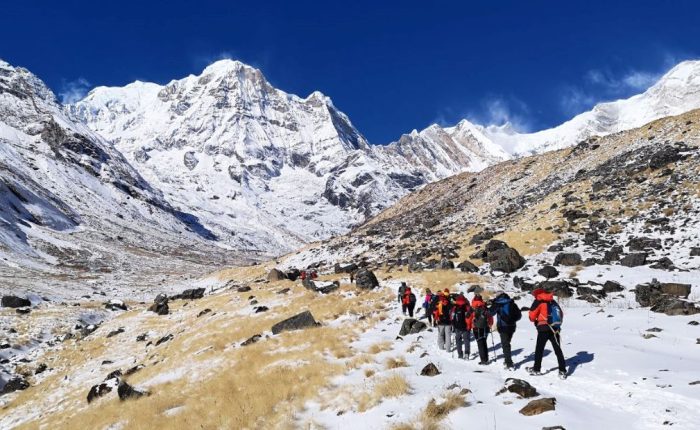


The Langtang Valley Trek is one of Nepal’s most rewarding yet lesser-known trekking adventures, located just north of Kathmandu and easily accessible by road. In a matter of days, trekkers can immerse themselves in alpine landscapes, ancient forests, and vibrant mountain culture — all without the heavy crowds found on other famous trails.
The journey begins in Syabrubesi, a peaceful village that acts as the gateway to Langtang National Park. From here, the trail climbs steadily alongside the Langtang Khola River, winding through lush forests of rhododendron, bamboo, and pine. Wildlife is abundant in this area, and lucky trekkers may spot langurs, Himalayan monals, and even the elusive red panda.
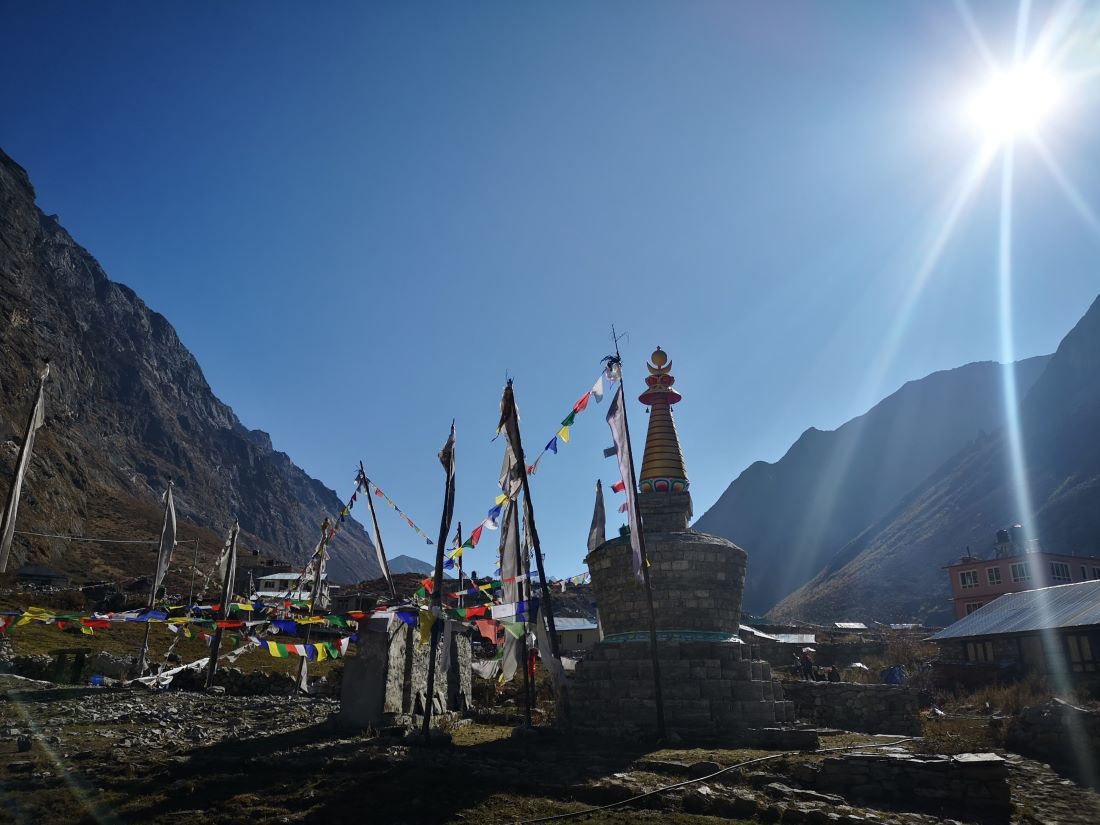
As you walk deeper into the valley, you’ll encounter traditional Tamang and Tibetan-influenced villages such as Lama Hotel and Langtang Village. These communities offer a genuine cultural experience, with prayer flags fluttering above stone houses and smiling locals offering warm meals and handmade yak cheese. It’s a trek that connects you not only with nature but with people who have lived in harmony with the mountains for generations.
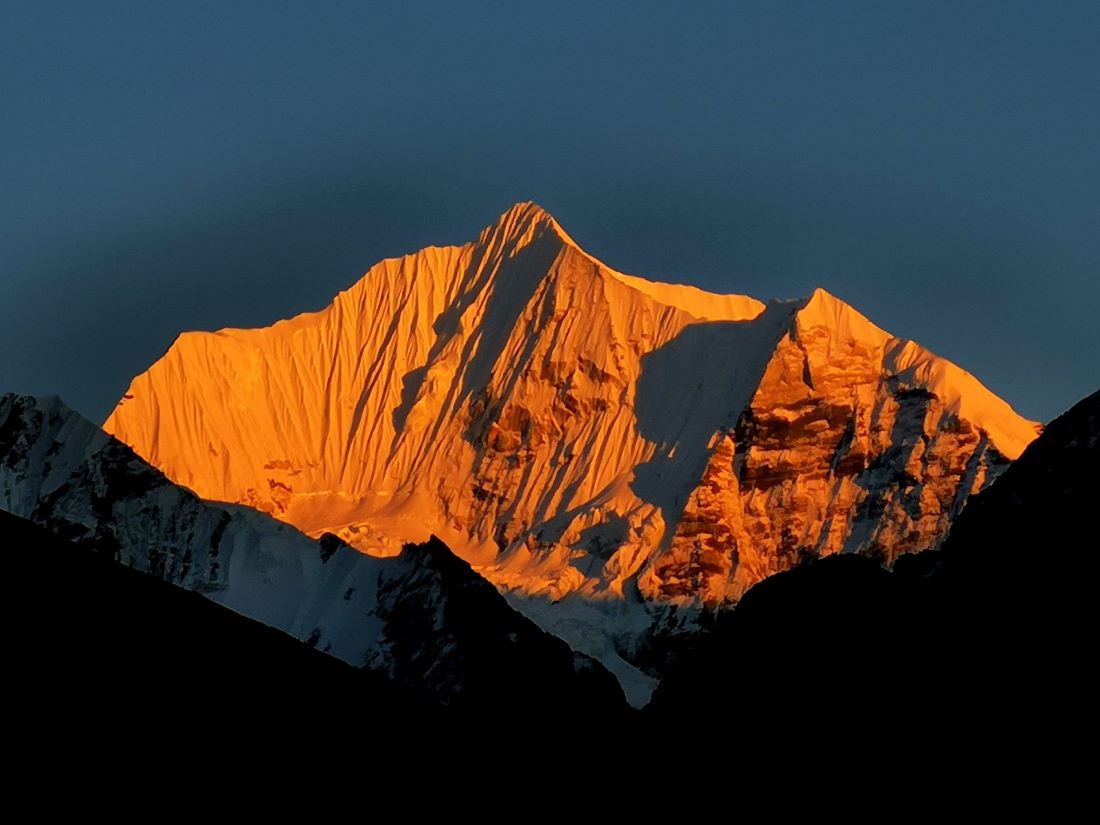
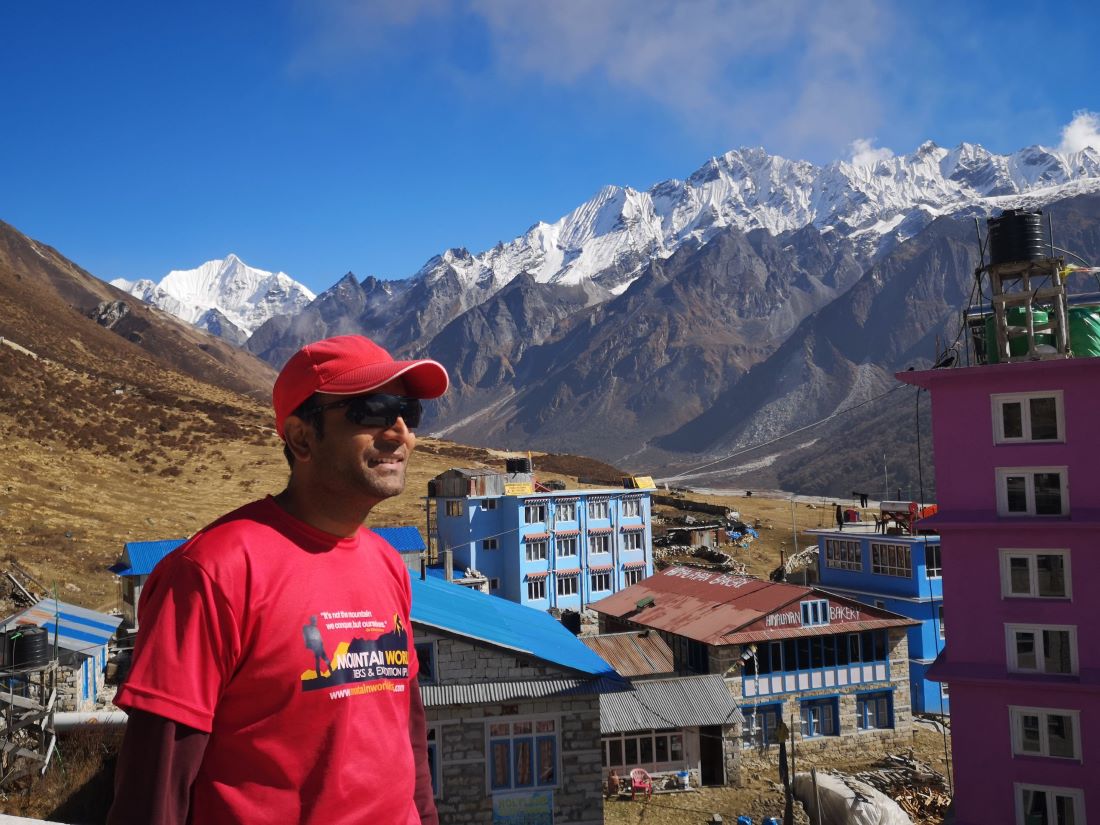
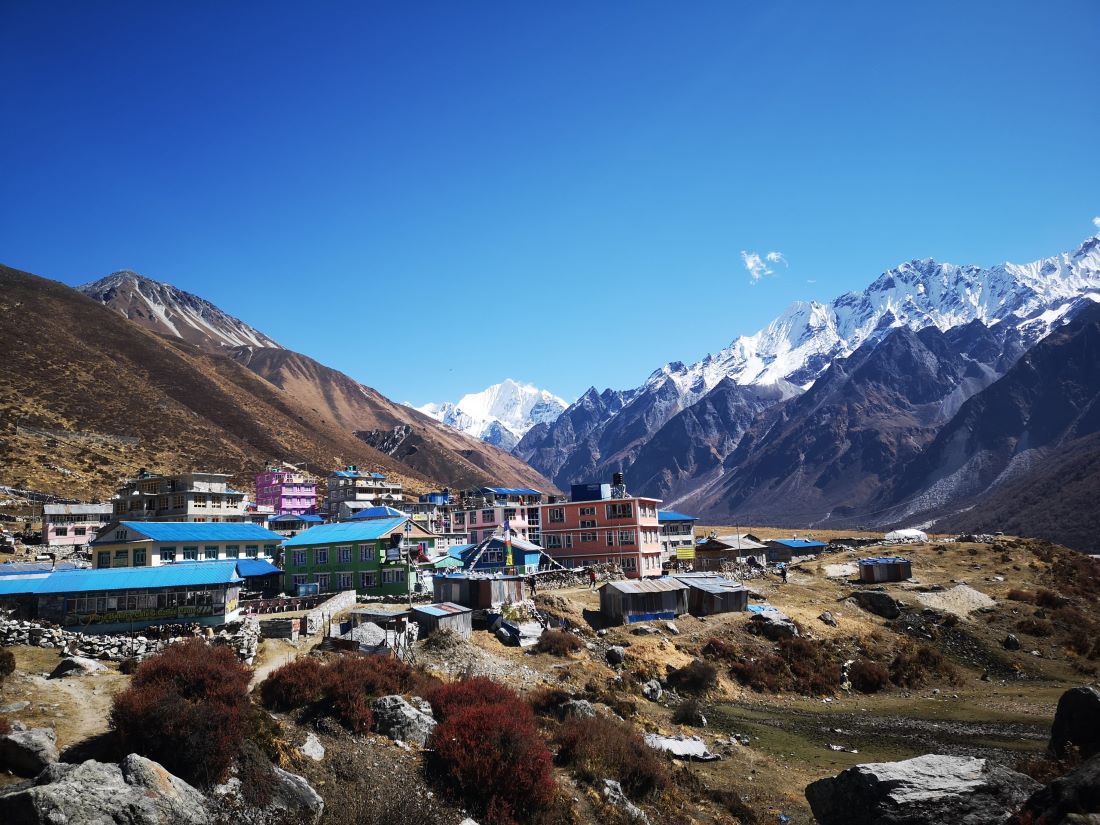
Eventually, the trail opens into the stunning glacial basin of Kyanjin Gompa, surrounded by towering snow-capped peaks like Langtang Lirung. This village is the spiritual heart of the trek and a perfect place to rest, explore, and soak in the panoramic mountain views. A short hike from here to Kyanjin Ri or Tserko Ri offers even more spectacular vistas of the Himalayas, with sunrise colors painting the peaks in gold and pink.
The Langtang Valley Trek is moderately challenging and suits both experienced hikers and fit beginners. With an itinerary of 7 to 10 days, it’s ideal for those with limited time who still want an authentic Himalayan experience. Because the region lies in a partial rain-shadow, it’s even possible to trek here during parts of the monsoon season when other trails are washed out.
Each step of the Langtang Valley Trek reveals something new — whether it’s the sound of rivers cutting through steep gorges, the scent of blooming rhododendrons, or the quiet dignity of life in the mountains. It’s a journey filled with both peace and power, offering a true escape into nature and culture that lingers in your memory long after you return home.
https://youtu.be/NNSsZm81gIQ?si=GEIloHNyPWZs3gGj
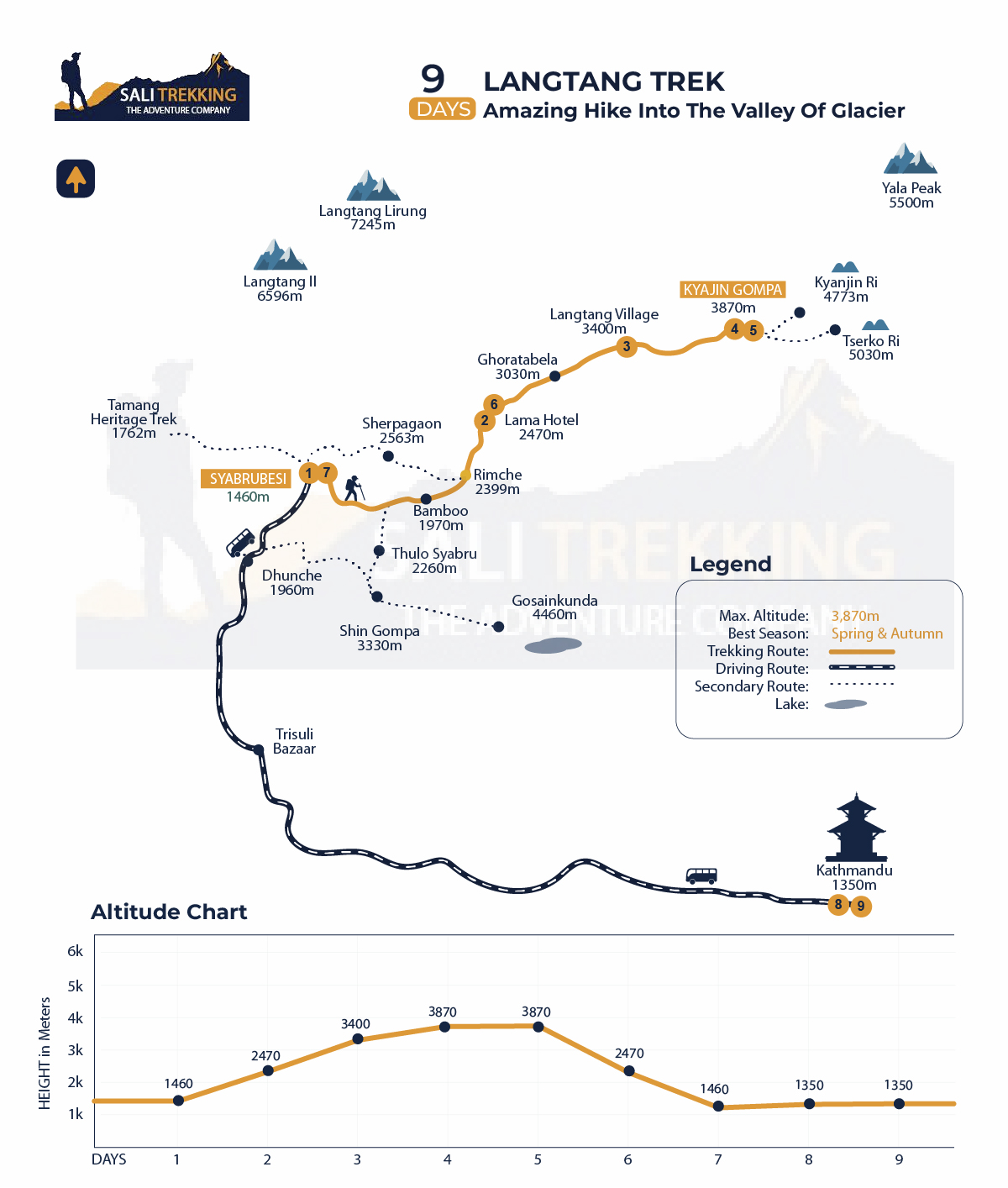
Upon arriving at Tribhuvan International Airport in Kathmandu, our representative will greet you with a warm welcome, and you’ll be transferred to your hotel in the heart of Kathmandu. Once checked in, you can unwind and relax after your journey. Spend the rest of the day at your leisure, perhaps exploring the vibrant streets of Kathmandu or simply resting up for the adventure ahead.
The drive from Kathmandu to Syabrubesi is a scenic adventure typically taking 7 to 8 hours. As you leave the city, the road winds through lush green hills and picturesque villages, gradually transitioning from urban to rural landscapes. This journey offers stunning countryside views and serves as a gentle introduction to the Langtang region. Upon arrival in Syabrubesi, you’ll find a charming town that marks the beginning of your Langtang Valley trek.
The journey from Syabrubesi to Lama Hotel is a rewarding segment of the Langtang Valley Trek. The trek starts with a steady ascent through lush forests, following the Langtang River. Along the way, you’ll pass traditional Tamang villages and enjoy views of terraced fields and cascading waterfalls.
The trail gradually climbs, offering scenic vistas of the surrounding hills and the majestic Langtang range. After several hours of trekking, you’ll reach Lama Hotel, a cozy stop in the middle of nowhere in the jungle. The trek to the Lama Hotel typically takes about 5 to 6 hours, and the peaceful atmosphere makes it an ideal place to rest and acclimate before continuing your journey.
The trek from Lama Hotel to Langtang Village is a scenic and gradual ascent through the Langtang Valley. Starting from Lama Hotel, the trail continues to follow the Langtang River, winding through dense forests and past picturesque waterfalls.
As you ascend, the landscape reveals stunning views of the surrounding peaks and valleys. You’ll pass through traditional Tamang settlements, offering glimpses into local life and culture. The trek typically lasts 4 to 5 hours and ends in Langtang Village. This charming village, nestled in the lap of the mountains, provides a welcoming stop with its traditional stone houses and vibrant prayer flags, making it a perfect place to rest and take in the breathtaking views.
The trail winds upward from Langtang Village through lush forests and alpine meadows. You’ll pass by picturesque streams and get stunning views of the surrounding peaks, including the impressive Langtang Lirung.
As you continue the ascent, the trail becomes more rugged and remote, offering glimpses of the diverse flora and fauna of the region. The journey to Lanjing Gompa usually takes about 4 to 5 hours. Upon arrival at Kyanjing Gompa, you’ll be greeted by a serene setting and a small, traditional monastery that provides a tranquil atmosphere for reflection and rest.
Start your day early for a sunrise hike to Kyanjin Ri. This challenging but rewarding climb takes about 3 to 4 hours round trek and offers breathtaking panoramic views of the Himalayas bathed in the early morning light. The sight of the sun rising over the snow-capped peaks is a memorable highlight of the trek.
After descending, spend the day exploring the charming village of Kyanjin Gompa. Visit the local monastery, which features intricate Buddhist artwork and provides a peaceful retreat. You can also wander around the town, experiencing local life and interacting with the friendly residents. Return to your accommodation in Kyanjin Gompa for an overnight stay, enjoying the tranquility and stunning mountain views as you reflect on the day’s adventures.
The return trek from Kyanjin Gompa to Lama Hotel involves retracing your steps through the scenic terrain and passing back through the serene meadows and lush forests you encounter on the way up. While mostly downhill, the trail still offers beautiful views of the valley and surrounding peaks. The trek typically takes about 5-6 hours, providing ample time to enjoy the changing scenery as you return.
The trek from Lama Hotel to Syabrubesi involves retracing your route through the lush forests and terraced fields that you passed on your way up. The trail follows the Langtang River, offering scenic views and a peaceful atmosphere as you return.
The trek usually takes about 4-5 hours, with a steady downhill path making the journey relatively easier. As you approach Syabrubesi, you’ll pass through traditional Tamang villages and enjoy the changing landscapes. Reaching Syabrubesi, you’ll find it a charming place to relax and reflect on your adventure before returning to Kathmandu or continuing to your next destination.
Conclude your trek with a scenic drive back to Kathmandu, reminiscing about the memorable experiences and stunning landscapes encountered during the Langtang Valley Trek. Distance: Approximately 122 kilometers, 6-7 hours drive.
The Langtang Valley Trek offers breathtaking Himalayan views, rich Tamang culture, and a relatively less-crowded experience—all within close reach of Kathmandu. However, like any high-altitude trek, proper preparation is essential for safety and enjoyment.
Here’s everything you need to know to prepare for your Langtang adventure:
The Langtang Valley Trek is considered a moderate trek in terms of difficulty. It’s suitable for beginners with good fitness and for experienced trekkers looking for a peaceful, off-the-beaten-path experience.
Key Factors That Affect Difficulty
The trek reaches a maximum elevation of around 3,870 meters (12,696 ft) at Kyanjin Gompa, and up to 4,773m at Kyanjin Ri or 5,000m at Tserko Ri if you do the optional day hikes.
Altitude sickness is possible, but since the trek rises gradually, it’s manageable with proper acclimatization and hydration.
You’ll walk about 5 to 7 hours a day, covering 8 to 15 kilometers depending on the day.
Some uphill sections and steep climbs (especially around Lama Hotel to Langtang village and the day hikes to Kyanjin Ri/Tserko Ri) can be challenging.
The trail is well-marked and safe, but includes:
Tips to Make the Langtang Trek Easier
Is Langtang Trek Suitable for Beginners?
Yes! Langtang is one of the best treks in Nepal for first-time trekkers who want a shorter and quieter Himalayan experience. Just make sure you prepare physically and mentally, and consider trekking with an experienced local company like Sali Trekking.
The best time to trek Langtang Valley is during spring (March to May) and autumn (September to November). These seasons offer the most stable weather, clear mountain views, and the safest trail conditions.
Spring (March to May) – Rhododendron Blooms & Mild Weather
Spring is one of the most beautiful times to trek in Langtang. The weather is warm, and the hills come alive with colorful rhododendron forests in full bloom.
Pros:
Things to Watch:
Autumn (September to November) – Crystal Clear Views & Perfect Weather
Autumn is the peak trekking season in Nepal, and Langtang is no exception. Post-monsoon freshness offers unbeatable clarity, crisp air, and stunning Himalayan visibility.
Pros:
Things to Watch:
Winter (December to February) – Quiet Trails & Snow-Capped Beauty
If you like cold weather and solitude, winter trekking in Langtang is possible with good preparation. The trails are peaceful, and the snow-covered peaks look magical.
Pros:
Things to Watch:
Monsoon (June to August) – Rainy but Green
Langtang is not ideal during monsoon, but it’s still possible as the region is not as heavily affected as others.
Pros:
Things to Watch:
For the best mix of weather, views, and comfort, mid-March to early May or late September to early November is ideal for the Langtang Valley Trek. Planning your trip during these windows will give you the most enjoyable experience.
When planning the Langtang Valley Trek, trekkers often ask:
“What will I eat?” and “Where will I sleep?”
Here’s everything you need to know about food and lodging on this scenic Himalayan journey.
Accommodation on the Langtang Trek
The Langtang Valley Trek follows a teahouse trekking style—meaning you’ll stay in simple, locally-run lodges along the trail.
What Are Teahouses Like?
Food on the Langtang Trek
Teahouses along the trail provide fresh, homemade meals with a surprising variety. Ingredients are carried up by porters or animals, so food may get simpler and costlier as you ascend.
Typical Menu Items:
Noodles & Pasta
Breakfast Options
Other Favorites
Beverages
Note: Alcohol is available but not recommended at high altitudes.
Preparing for the Langtang Valley Trek? Packing the right gear is key to a comfortable, safe, and enjoyable trekking experience in the Himalayas. From layers to electronics, here’s your ultimate Langtang Valley Trek packing checklist—designed for both independent trekkers and guided trips.
Packing Tips Before You Start
Essential Langtang Trek Packing List Clothing (Layered for All Weather)
Base Layers
Outer Layers
Sleepwear
Undergarments & Accessories
Footwear
Bags & Packs
Sleeping Essentials
Toiletries & Personal Hygiene
First Aid & Medications
Electronics & Navigation
Trekking Essentials
Documents & Money
Optional but Useful Extras
Final Tips
Travel insurance is essential for the Langtang Valley Trek. While the trek is not technical, it still reaches elevations near 5,000 meters (Tserko Ri) and passes through remote Himalayan terrain where medical help is limited. If anything goes wrong—injury, altitude sickness, delays, or emergency evacuation—your insurance could save you thousands of dollars.
Why You Need Insurance for the Langtang Trek
Helicopter Evacuation:
If you suffer from altitude sickness or a serious injury, evacuation by helicopter is often the only option. It can cost $3,000–$5,000+, which is typically not covered without proper insurance.
Altitude Coverage:
Langtang Valley reaches altitudes over 3,800m at Kyanjin Gompa and 4,984m at Tserko Ri. Your policy must explicitly cover trekking above 4,000 meters.
Trip Cancellation/Interruption:
Bad weather, strikes, or illness can delay or cancel your trek. Insurance can help you recover pre-paid expenses.
Lost or Stolen Gear:
Some policies cover lost baggage, gear theft, or damaged electronics.
Medical Treatment:
Coverage for hospitalization, doctor visits, or medication is critical in case of illness or injury.
Recommended Insurance Providers for Langtang Valley Trek
Here are a few insurance companies that specialize in trekking and high-altitude coverage:
Covers up to 6,000m (check plan type)
Includes evacuation, trip delay, and lost gear
Great for travelers from USA, UK, Australia, Europe
www.worldnomads.com
Popular for long-term travelers
Coverage up to 4,500m with base plan
Can add a higher altitude or adventure upgrade
www.safetywing.com
High altitude and trekking options
Add-on for 5,000m+ trekking
www.truetraveller.com
Trekking add-ons available
Covers US and international travelers
www.imglobal.com
Compare multiple plans in one place
Be sure to customize for adventure coverage
Whether you’re a first-time trekker or a seasoned adventurer, the Langtang Valley Trek is one of the most rewarding treks in Nepal, offering the perfect mix of mountain scenery, cultural experience, and accessibility. Here are the top reasons why Langtang should be your next trekking destination:
Unlike other treks that require flights or long travel, Langtang Valley is just 6–7 hours by road from Kathmandu. You get to experience the grandeur of the Himalayas without flying to Lukla or taking lengthy detours.
From Kyanjin Gompa and Tserko Ri (4,984m), you’ll see stunning 360-degree views of snowcapped peaks like:
It’s a photographer’s paradise with daily panoramic sunrise and sunset scenes.
Langtang is home to the Tamang ethnic group, known for their Tibetan roots, ancient traditions, and warm hospitality.
You’ll visit:
Well-marked trails and teahouse accommodation make it perfect for solo or guided trekkers
Langtang is one of the most affordable treks in Nepal:
The trek passes through Langtang National Park, home to:
You’ll walk through rhododendron forests, bamboo groves, and glacial valleys teeming with biodiversity.
Langtang offers a peaceful trekking experience, especially compared to the busy Everest Base Camp or Annapurna Base Camp routes. Perfect for those seeking solitude, authenticity, and fewer tourists.
Add adventure with optional side trips:
Langtang was heavily affected by the 2015 earthquake, but the community has rebuilt with resilience and pride.
By trekking here, you:
If you’re limited on time but want a true Himalayan experience, Langtang is ideal. You can complete the trek in 7–10 days door-to-door from Kathmandu.
Langtang Valley Trek is a beautiful and peaceful journey in northern Nepal, close to the border with Tibet. It’s less crowded than the famous Everest and Annapurna treks, making it perfect for those who want a quiet and more personal adventure. This trek takes you through green forests, small mountain villages, and stunning views of snow-covered peaks. You’ll meet friendly locals, learn about their unique culture, and enjoy the calm and spiritual feel of the Himalayas. Whether you’re new to trekking or have done it before, the Langtang Valley Trek is a rewarding and unforgettable experience.
Breathtaking Himalayan Views
From the very beginning, the Langtang Valley greets you with towering Himalayan giants. As you ascend the valley, the scenery evolves with every step—culminating in panoramic views of Langtang Lirung (7,227m), Ganesh Himal (7,422m), Dorje Lakpa (6,966m), and other snow-dusted peaks. The closer you get to Kyanjin Gompa, the more surreal the landscapes become, with glaciers, icy rivers, and mountain meadows painting a picture straight out of a dream.
Authentic Cultural Encounters with the Tamang People
Unlike many trekking routes that focus solely on nature, the Langtang region is deeply enriched by culture. The valley is home to the Tamang community, an indigenous group with Tibetan roots. Their traditions, language, and Buddhist beliefs are reflected in daily life, colorful prayer flags, chortens, and centuries-old monasteries. Stopping in villages like Lama Hotel, Langtang Village, and Kyanjin Gompa, you’ll have the opportunity to connect with locals, experience their hospitality, and witness a way of life that remains beautifully untouched by modern development.
A Trek Through Rich Biodiversity in Langtang National Park
One of the highlights of this trek is the journey through Langtang National Park, Nepal’s first Himalayan national park. The lower sections of the trail take you through lush forests of rhododendron, oak, pine, and bamboo, alive with the calls of Himalayan birds. If you’re lucky, you may spot elusive wildlife such as the red panda, Himalayan monal (Nepal’s national bird), langur monkeys, or even Himalayan thars grazing on rocky outcrops. The shifting terrain from subtropical forest to alpine tundra makes every day of the trek feel new and exciting.
Comfortable Teahouses and Mountain Hospitality
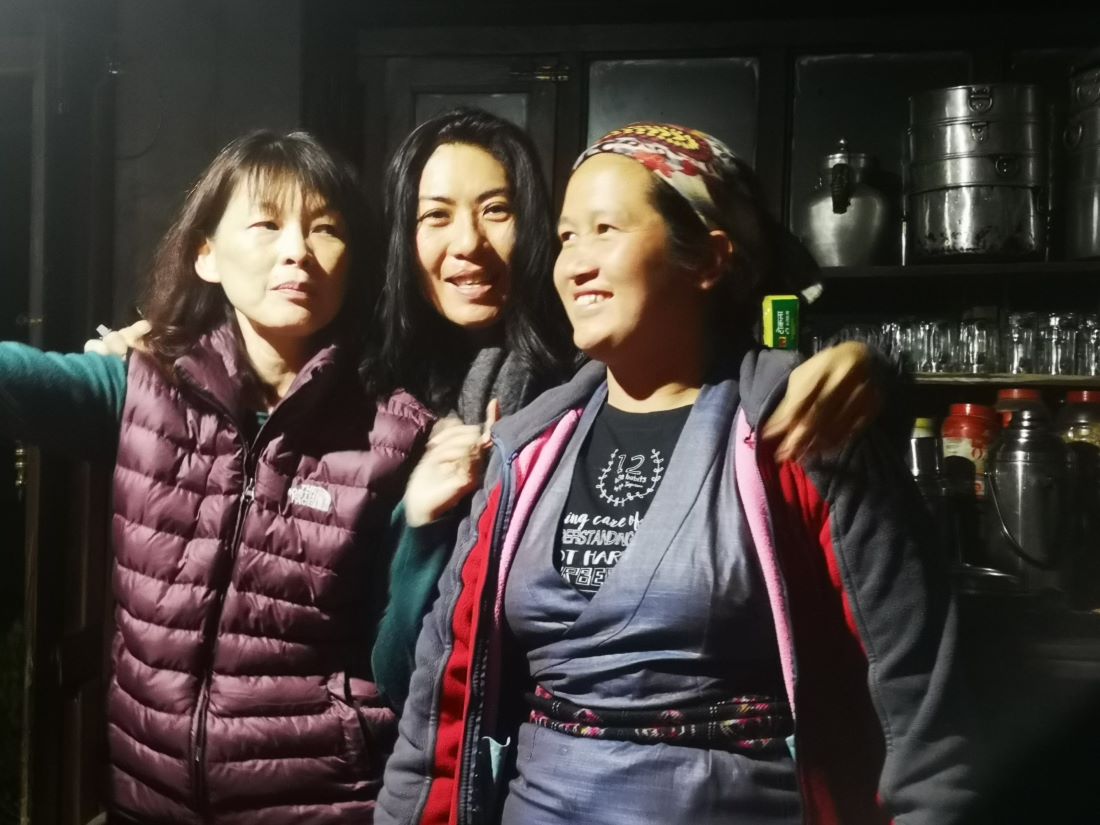
Along the trail, trekkers stay in cozy family-run teahouses that offer basic yet heartwarming accommodation and delicious homemade meals. Think hot dal bhat after a long day’s walk, shared stories around the fireplace, and a steaming cup of ginger tea while overlooking snow-covered peaks. The simplicity of mountain life adds depth to the experience and makes for a truly authentic Himalayan journey.
Kyanjin Gompa: Spiritual and Scenic High Point of the Trek
Reaching Kyanjin Gompa (3,870m) feels like stepping into a sacred realm. This peaceful settlement sits at the base of Langtang Lirung and features an ancient monastery, traditional stone houses, and yaks grazing freely across open meadows. It’s the perfect spot to rest, explore the Buddhist way of life, and soak in the spiritual aura of the region. The surrounding scenery here is nothing short of magical.
Optional Day Hike to Kyanjin Ri or Tserko Ri – For Incredible Mountain Views
If you want to explore more after reaching Kyanjin Gompa, you can take a side trip to Kyanjin Ri (4,773m) or Tserko Ri (5,000m). These are both popular day hikes that offer stunning views of the surrounding mountains and glaciers.
Kyanjin Ri is a shorter but steep hike, perfect for catching a breathtaking sunrise over Langtang Lirung and nearby peaks. The climb is challenging, but the 360-degree mountain views from the top are worth every step.
If you’re feeling strong and want to go higher, Tserko Ri is a longer and tougher hike, but it takes you above 5,000 meters and offers even bigger views of the entire Langtang range. It’s one of the best viewpoints in Nepal and a real highlight of the trek.
These hikes are optional, but they add a real sense of adventure and reward to your Langtang Valley experience.
A Scenic Drive from Kathmandu to Syabrubesi
The Langtang trek begins with a scenic drive from Kathmandu to Syabrubesi, passing through terraced hills, rural settlements, and winding mountain roads. This transition from the busy capital to the peaceful countryside sets the tone for the days ahead—each step deeper into the mountains taking you further from the noise and closer to nature.
Return Journey with a Heart Full of Memories
After spending several days exploring the valley, meeting warm-hearted locals, and taking in the breathtaking scenery, trekkers retrace their path back to Syabrubesi. The return journey is an opportunity to reflect on everything you’ve experienced—be it the cultural richness, the raw beauty of the mountains, or the personal growth that comes from walking remote Himalayan trails.
The Langtang Valley Trek is more than just a hike—it’s a soul-stirring experience where nature, culture, and personal discovery intersect. From its pristine landscapes to its welcoming communities, this trek captures the essence of Himalayan adventure. Ideal for trekkers seeking a less-crowded alternative to Everest or Annapurna, Langtang offers a fulfilling journey that remains etched in your heart long after you’ve returned home.
The Langtang Valley Trek is considered a moderate to challenging trek; It involves walking for several hours daily over varied terrain and at high altitudes. While no technical climbing is required, trekkers should be prepared for steep ascents and descents, rocky trails, and changes in weather conditions.
The best time for the Langtang Valley Trek is during the pre-monsoon (spring) season from March to May and the post-monsoon (autumn) season from September to December. These periods offer stable weather, clear skies, and favorable trekking conditions.
While an average fitness level is recommended, training and hiking preparation are advisable to ensure physical fitness for the trek’s demands.
Above 3000m, there is a chance to get altitude sickness issues in Nepal. So, Trekkers should ascend gradually, stay hydrated, and recognize the symptoms of altitude sickness. Never push hard, be honest, and don’t lie if symptoms worsen or improve; back down to a lower elevation.
Accommodations along the trek are basic but comfortable, with facilities such as hot showers, battery charging, and WiFi. Most trekkers find delicious food along the trail, with different meal options. As Langtang Valley Trek becomes more commercial year by year, food and accommodation facilities are improving throughout the trek.
While it’s possible to trek independently, many trekkers hire a guide or porter for added support, safety, and convenience. Guides can provide valuable insights and assistance, while porters can help carry trekking gear and luggage, reducing physical strain.
Essential items to pack include sturdy hiking boots, warm clothing, a good-quality sleeping bag, sunscreen, sunglasses, and a first aid kit. It’s vital to pack light, but ensure you have all the necessary gear for the trek. Visit the link for details information.
The cost of the Langtang trek can vary depending on factors. Just to give you an idea, on average, trekkers can expect to budget between $500 and USD 1,000 for the entire trek, including permits, accommodation, meals, and incidental expenses.
The trek typically starts and ends in Syabrubesi, a small town about 6–7 hours’ drive from Kathmandu. It’s the main trailhead for Langtang region treks.
Yes, helicopter evacuation is available in emergencies, especially from Kyanjin Gompa or nearby. You must have travel insurance that covers high-altitude evacuation.
Limited Wi-Fi is available in some teahouses (usually paid), especially at Lama Hotel, Langtang Village, and Kyanjin Gompa. Mobile signal (NTC or Ncell) is unreliable in higher sections.
Tap water is not safe to drink without purification. Carry water purification tablets, a filter bottle, or a UV sterilizer like SteriPEN. Boiled water is available in teahouses.
Yes, most hotels and trekking agencies in Kathmandu offer free luggage storage while you’re trekking.
Most teahouses have a central fireplace in the dining area, but there is no heating in the rooms. Bring a good sleeping bag and warm clothes.
Yes, with moderate fitness and good preparation, the Langtang trek is suitable for first-time high-altitude trekkers, especially with a guide and an acclimatization day.
You need two permits:
Take a bus or private jeep from Kathmandu to Syabrubesi. Buses are budget-friendly, while jeeps are faster and more comfortable.
No, there are no ATMs on the Langtang trail. Withdraw or exchange enough Nepali Rupees in Kathmandu before starting.
Yes, most teahouses offer vegetarian meals, and vegan options are possible with slight modification. Dal Bhat, vegetable noodles, and fried rice are common.
You’ll walk 5 to 7 hours per day on average, depending on your pace, weather, and acclimatization.
Yes, Langtang can be combined with:
Yes, many teahouses offer hot showers, usually for an extra fee (NPR 200–500). In higher altitudes, hot water may be limited or solar-heated.
Risks include altitude sickness, landslides during monsoon, and occasional trail washouts. Trekking with a guide enhances safety, and insurance is essential.
Yes, most teahouses have solar charging points, but power is limited. Carry a power bank and pay small fees (NPR 100–300) to charge devices.
Top photography spots include:
Yes, many solo female trekkers do Langtang. While the trail is generally safe, hiring a trusted guide ensures extra safety and cultural support.

Awesome and wholesome experience
My first time to Nepal and I enjoyed myself very much. 😍 I would like to thank Sali & his teams + porters for providing excellent service. He is very well organised and with his caring nature, he executed the whole events very well. I was able to summit Poonhill at sunrise, Annapurna Base Camp as well as Langtang Valley & Lower Kanjin-ri peak with his guidance. Highly recommend Sali Trekking to my friends and anyone who wish to explore the mountains here in Nepal… I will be back! 😅😘 Namaste! 🙏
This is my first time hiking at Nepal. Sali and his team took good care of our team.
They have good experiences on mountain hikes and ya, engage them if you are planning to trek in Nepal! 😎
We went for the Langtang Valley trek which is about a week long. Sali and his porters really took great care of us. Sali was very attentive and always looking out for us. And he took great photos and videos! The entire trip from our stay in Kathmandu to the end of the trek was very well planned.
Highly recommended!
My 3 Nepal treks with Sali Trekking
My second trip with Sali Trekking. Last year October 2022 Everest Base Camp. Just was Poon Hill, Annapurna Base Camp and Langtang Valley. Will be back next year for more.
Sali is involved in the trek. He is flexible and ensures we get to do, see and experience what was agreed. In any trek, there are bound to be hiccups and unplanned situation .Sali Trekking had proven (to me) that these issues get resolved. Safety is the prime consideration in such activities. Their guides and porters always make the extra effort to give us the great experience.
I had a GREAT experience with Sali Trekking with the gude SANDIP ARYAL.
I was a solo trekker in October 2022 and wanted to do an easy/medium trek in a less touristic area, yet still close to Kathmandu. My physical condition and trekking gear are very good but my preparation was not excellent, hence I decided to hire a guide.
The contact with Sali was informal and quick and he got me in contact with Sandip. We had a quick meeting in Kathmandu to talk about details and getting to know each other, and off we went the next day to Langtang Valley.
Sandip knew the route, the villages, and the accomodation options very well. He would find the best guest house according to my wishes and negotiate the price on my behalf. On the fourth day we managed to reach the peak of Tsergo Ri (ca 5000 m altitude) easily although I recommend you start early in the day from Kyanjin Gompa (before 7 am!).
I always felt safe and in good hands with Sandip. “Safety first,” he always said. Beside, Sandip is a fun and nice person to be around, which was especially appreciated as a solo traveller. I know he can also manage large groups with his excellent organisation skills.
SANDIP was an EXCELLENT guide and companion. I would HIGHLY recommend him for any trek in Nepal.
Final note: As a visitor of Nepal, please remember that guides and porters are hard working people and depend on visitors like ourselves for their income. Do not forget to tip them appropriately on top of the agreed daily rate!