
I’ve trekked in Nepal during the busy seasons, the dry months when everyone is scrambling for the best spot to snap that perfect photo with the snow-capped peaks in the background. But last year, something unexpected happened—I found myself trekking in Nepal during the monsoon. And I’ll be honest, it was a completely different adventure.
Picture this: lush, green hills, mist hanging like a soft blanket over the mountains, and a quiet so deep you can hear your own heartbeat. The rain might be coming down in steady drizzles or soaking the trail in a sudden downpour, but it doesn’t matter. The whole experience felt like being immersed in a different world—one that many trekkers miss because they only come during the dry season.
So, if you’re contemplating monsoon trekking in Nepal (June to September), let me tell you: it’s worth it. Here’s why.
The first thing that really struck me about monsoon trek in Nepal was just how empty the trails were. Normally, popular routes like the Annapurna Circuit or Everest Base Camp are packed with trekkers from all corners of the globe. During the monsoon, though, things quiet down a lot.
I remember hiking the Ghorepani Poon Hill route last July. It’s one of the most popular treks, but the monsoon months made it feel like a private getaway. There were no huge groups, no lines at the viewpoints, and most importantly, no one rushing past you to get to the next “Instagrammable” spot. I had the trails pretty much to myself.
And you know what? It was bliss. I could walk at my own pace, listen to the sound of the rain hitting the leaves, and just take in the view—sometimes the mist rolled in and you couldn’t see a thing, but it only made the experience feel more serene.
If you’re someone who values peace and solitude over crowded photo ops, trekking in monsoon season is your moment to truly connect with nature without the distractions of other trekkers.
If you’re expecting clear skies and panoramic views of snow-capped peaks, the monsoon season might disappoint you. But, let me tell you: there’s a different beauty to the rain-soaked mountains. The lush green forests are so vibrant during this time, it almost feels like the landscape is bursting with life.
I hiked the Langtang Valley trek during the monsoon season, and the fog and mist gave the mountains a mystical, almost magical feel. Sometimes, the clouds would part just enough to reveal glimpses of the peaks, but even when the higher altitudes were completely covered, the dense forest, the waterfalls, and the wildflowers made up for it.
The rain turns everything into a living, breathing thing. I felt like I was walking through a postcard that no one else had ever seen before. It’s an intimate experience, one where you really feel connected to the earth and all its elements—earth, water, and air.
If you love finding hidden beauty in unexpected places, the monsoon season might just be the perfect time to explore Nepal.

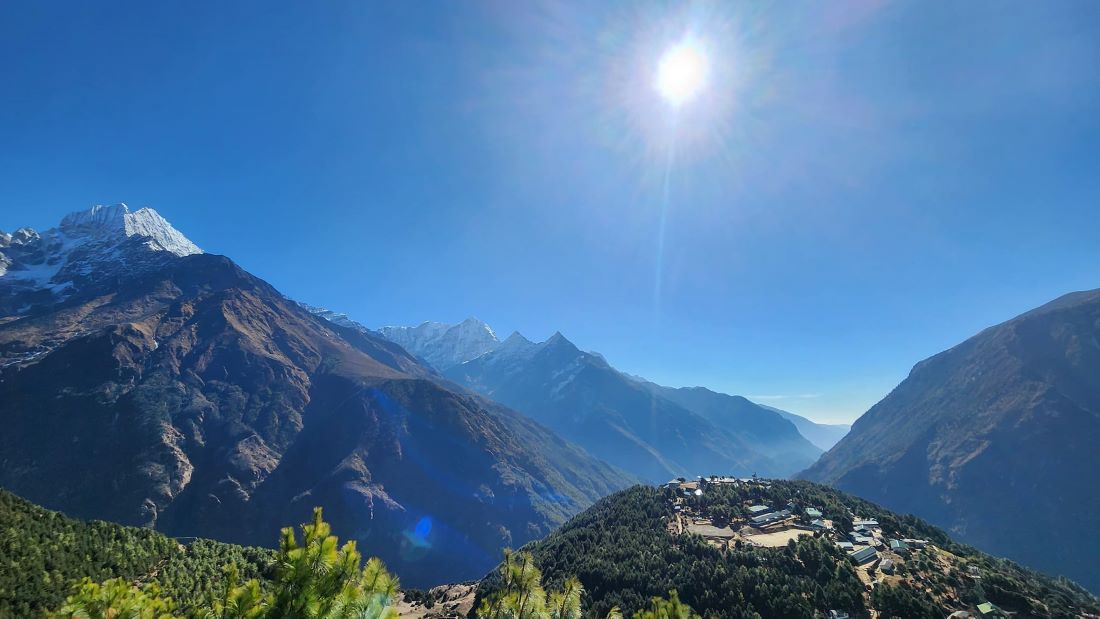
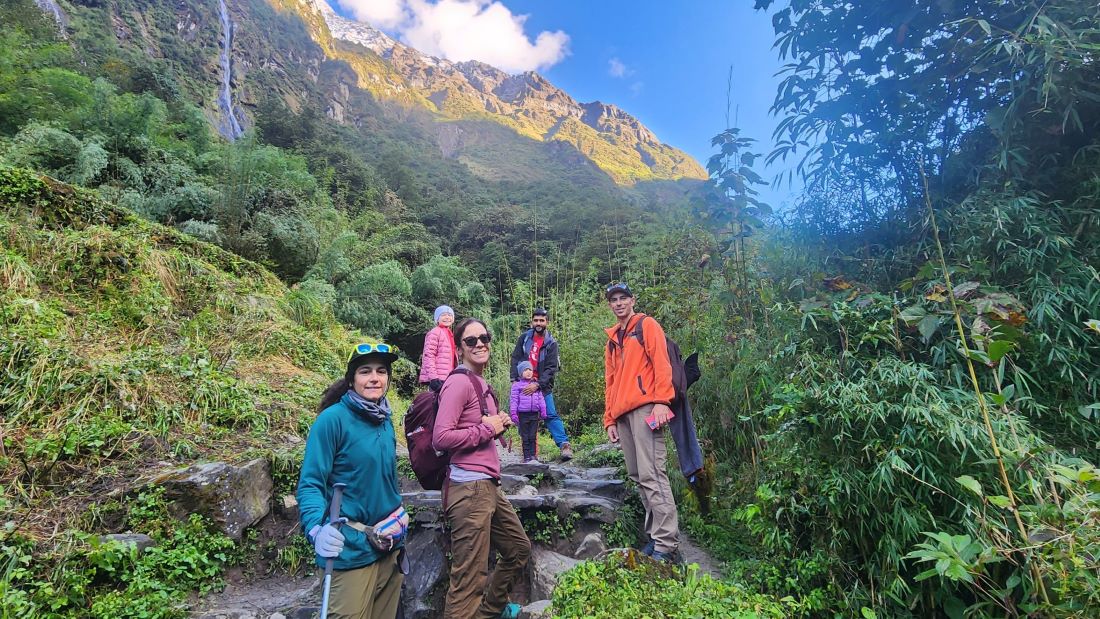
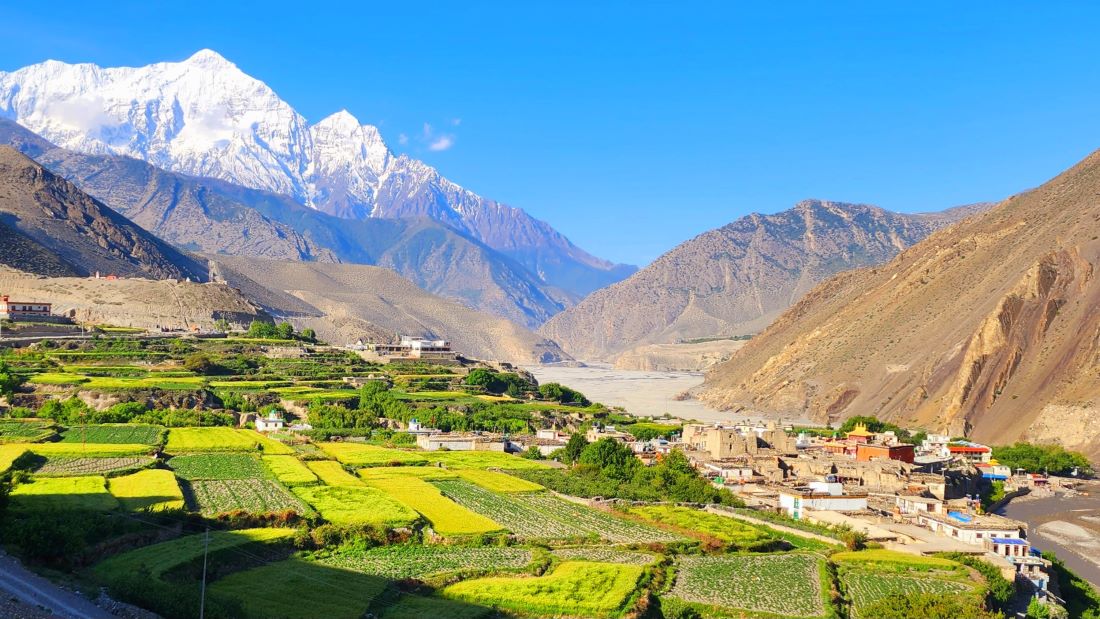
If you’re a photographer, the monsoon trek might not give you those postcard-perfect shots of clear, towering peaks. But trust me, it offers something far more interesting. The mist, rain, and shifting clouds create incredibly dramatic landscapes that you won’t get during the dry season.
On the Annapurna Circuit trek, for example, the views weren’t always clear, but when the fog lifted for just a few seconds, it revealed a landscape so raw, so real, that it felt like you were seeing the Himalayas for the first time. The rhododendron forests were in full bloom, with colorful flowers lighting up the path, and the sound of rain and rushing waterfalls made for an entirely unique atmosphere.
I even caught a few shots of a Himalayan tahr peeking through the trees. It wasn’t easy to get a good picture, but the challenge made the moments I did capture feel even more rewarding. The monsoon season in Nepal isn’t about “perfect shots”; it’s about capturing the raw, untamed beauty of nature in a way that you can’t get when the sun is shining.
If you love photographing nature’s unpredictable beauty, you’ll definitely want to pack your camera for the monsoon season trekking in Nepal.
Monsoon season doesn’t mean you have to stay away from Nepal’s best treks. While the higher altitudes may not be ideal during this time due to potential rain and fog, there are still some incredible treks at lower altitudes and in the rain shadow regions that remain accessible and stunning.
Let’s go through the top treks that are perfect for trekking Nepal in the monsoon season.
The Annapurna Circuit is one of Nepal’s most famous treks, but during the monsoon season, trekkers usually shy away from the higher, more exposed sections of the trail. However, the lower Annapurna Circuit offers something incredibly unique and magical.
The rain transforms the Annapurna foothills into a lush green paradise. I hiked through Besisahar, Chame, and Manang during the monsoon, and it was a completely different experience. The typical sunny views of the Annapurna peaks were obscured by clouds, but instead, I was treated to vibrant terai landscapes, misty forests, and tranquil rivers.
You’ll hike through dense forests of rhododendron, oak, and pine, all blooming with life, with the occasional waterfall cascading down the hillsides. The monsoon season also brings out the freshest greenery—everything looks so much more vivid compared to the dry season. And because the weather can be unpredictable, the clouds and fog that roll in over the mountain slopes give the landscape a soft, dreamlike quality.
The lower Annapurna trek stays at relatively lower altitudes, meaning there’s less risk of altitude sickness, making it a great monsoon option. You’ll also pass through remote villages where you can experience the real culture of the region without the usual tourist crowds. The local hospitality is another big plus—you can relax at cozy tea houses after a long day of trekking, sipping on hot Nepali masala chai.
Why it’s great for the monsoon:
Tip for the trek: Pack for the rain, but also prepare for a sudden temperature drop at night. Layering is key!
The Ghorepani Poon Hill Trek is perfect for those looking for a shorter trek during the monsoon but still wanting to experience the beauty of Nepal’s Himalayas. While many trekkers flock here in the dry season for the iconic sunrise view over the Annapurna range, the monsoon brings a different kind of magic.
I did this trek last August, and while I didn’t get the classic sunrise shot over Annapurna, the mist and clouds gave the peaks a mysterious, ethereal feel. The view from Poon Hill was hidden by fog most mornings, but that didn’t make it any less special. Instead, I found the quiet and solitude of the region during the monsoon to be incredibly refreshing.
The path to Ghorepani and Tadapani is surrounded by lush forests, and the rhododendron flowers were in full bloom. The rain helped keep the air crisp and fresh, making the trek feel like an immersion into the wilderness.
What’s also great about this trek during the monsoon is that it’s relatively short—usually only 4 to 5 days—so if you’re a beginner or don’t have much time, it’s an excellent option. The routes are well-trodden and safe, and the tea houses along the way remain open, even in the rainy season.
Why it’s great for the monsoon:
Tip for the trek: Even if the famous sunrise view over Annapurna is hidden in the clouds, the misty ambiance can be just as enchanting for photos!
The Langtang Valley is one of my personal favorites, and trekking here during the monsoon season feels like a hidden gem. Unlike the Annapurna and Everest regions, Langtang is often less crowded, and during the monsoon, it feels even more remote and tranquil.
Langtang’s unique climate during the monsoon is worth mentioning—thanks to its altitude (ranging between 1,400m and 3,800m), the area experiences relatively light rainfall compared to other parts of Nepal. I found this especially true on the lower part of the trek, where the dense forest and lush meadows created the most beautiful sights.
The Langtang National Park is one of the most biodiverse areas in Nepal, and during the monsoon, the park is a riot of wildflowers, giant trees, and waterfalls. As I trekked through the valley, I couldn’t help but stop at every waterfall to snap a few pictures. The bamboo forests and the peaceful Bhote Koshi River made the entire trek feel incredibly immersive.
Langtang is also home to Tibetan culture, and I passed through several Buddhist monasteries that were just as beautiful in the rain, with prayer flags fluttering in the wet air. If you’re lucky, you might spot some wildlife, too—on my trip, I even saw a red panda!
Why it’s great for the monsoon:
Tip for the trek: Bring sturdy trekking boots with good grip for those slippery, muddy sections, especially near waterfalls.
If you want to escape the rain completely, the Upper Mustang trek is the perfect option. Situated in the rain shadow of the Annapurna range, this region experiences little to no rainfall during the monsoon, making it a rare and unique trek in Nepal during the rainy season.
Upper Mustang is often called “Nepal’s last forbidden kingdom” for its distinct Tibetan culture, desert-like landscapes, and ancient monasteries. The trek here is like stepping back in time, with its cliff-side caves, old villages, and dusty trails.
While the rest of Nepal is soaked with rain, Upper Mustang is dry and sunny, which makes it one of the most sought-after treks for those who want a unique, off-the-beaten-path experience. I trekked through places like Lo Manthang, the walled city that has remained relatively untouched by modern development. The Tibetan influences are strong, and I found myself walking past colorful monasteries and chatting with locals in traditional attire.
Why it’s great for the monsoon:
Tip for the trek: Upper Mustang requires a special permit (since it’s a restricted area), so make sure you arrange that before you go.
Monsoon trekking in Nepal might not be for everyone, but if you’re seeking adventure, solitude, and a whole new perspective on this beautiful country, it could be the best decision you make. Each monsoon trek is like opening a new chapter of the same book—every time you step out on the trail, you discover something new, something hidden, something more vibrant than you could have imagined.
Ready for the adventure? Pack your rain gear and let the trails unfold—Nepal is waiting for you.
