

You and half of the world are dreaming about standing at Everest Base Camp in 2025 or 2026. But hey, there is a reason why the Everest Base Camp trek is iconic. It’s not just another hike; this is you, the Himalayas, a bunch of yaks, and all the chaos and beauty that comes with it.
Every trek in Nepal begins in Kathmandu. The capital city, Kathmandu, is messy, loud, and congested but full of culture and happy faces. If you’re chasing Himalayan dreams, this is where the story starts, like it or not.
Most people spend a day or two in the city. They enjoy eating local food like momo and Dal Bhat, bargaining over fake North Face jackets in Thamel, and trying not to get run over by scooters and motorbikes.
Starting with the famous Lukla flight. Flying with a small plane, an even smaller runway, and a landing that will have your heart in your mouth. Once you’re down, the real adventure begins for Everest dreamers.
The trail is not all snow and ice. You’ll cross shaky suspension bridges, walk through forests, pass prayer wheels, and explore vibrant Namche Bazaar (think mountain village with surprisingly decent bakeries).
There’s the old Tengboche Monastery; look out for chanting monks and wandering dogs. And those mountains are staring at you. After a few more days of trekking, you’ll reach the Mt. Everest Base Camp, 5,364 meters, surrounded by trekkers and the Himalayas.
If you are worried about not being fit for the EBC trek, relax; you don’t need to be a marathon runner or super fit. If you can walk up and down the stairs 6-7 hours a day without dying, and you do a bit of preparation, you can complete the Everest base camp trek.
So, what’s stopping you? Start planning. And maybe start breaking in those boots. Whether you are chasing cool photos for your Instagram or want to say, “Yeah, I did that,” this is something you will remember.
Step off the plane in Lukla and boom, you’re in the Khumbu. Not only cool weather and cool views of the mountains, but it’s also Sherpa country, loaded with history and culture. You’ll stumble through villages like Phakding and Monjo and bounce across those sketchy suspension bridges (yeah, they shake a bit). The higher you climb, the wilder the views get. No rush, either; the slow pace saves your lungs. Just lean into it, keep moving, and soak it all in.
Alright, get ready; the Everest Base Camp trek is not your average walk in the park. It’s chaos, magic, and a bit of madness, everything together. Here’s what’s waiting for you out there:
Everest Base Camp isn’t a trek. It’s a memory tattooed on your soul. You’ll leave a little piece of yourself up there, and trust me, you’ll want to go back for it. Listen, Everest Base Camp isn’t just a trek. It’s the kind of wild ride that brands itself onto your soul. Good luck forgetting it; you won’t.
Namche isn’t just a rest stop; it’s a high-altitude hub buzzing with energy, color, and character. Here’s what to soak in while you’re there:
Namche is where it all starts to feel real. You’re not just trekking anymore; you’re in it.
Every day on the Everest Base Camp trek brings a new kind of magic and challenge. One moment you’re weaving through pine forests, and the next, you are staring across a frozen valley that looks like it belongs in an adventure movie.
The trail throws it all at you:
You’ll pop into peaceful monasteries like the one in Tengboche, sip tea with mountain views at every stop, and feel the oxygen slowly slip away as the green turns to gray. Above Dingboche, the scenery shifts dramatically. As you climb higher, the trees vanish, replaced by rugged rocks, glacial ice, and snow-covered slopes. It’s like stepping onto the surface of the moon.
So, after several days of trekking on rocky trails, you hit Everest Base Camp. 5,364 meters up, and it just hits different. The Khumbu Icefall is looking like some frozen monster, and those mountains? Insane. Honestly, you stand there, and it’s like, whoa, THIS is the starting line for Everest climbers? No wonder people get emotional.
At Base Camp, you get to:
If you want that great view of Everest, skip the crowds and drag yourself up Kala Patthar. It’s higher, it’s freezing, your lungs will curse you, but the sunrise up there? Unreal. The whole place just lights up. Bring your camera or forever regret it. Even if you’re not a selfie addict, this one’s a keeper.
What Makes Kala Patthar Worth It:
After all the hype at base camp and Kala Patthar, you start the descent. Honestly, everything feels lighter physically and mentally (thanks, gravity). Now you get to chill a bit, look around, trade stories with other trekkers, and soak up the local Sherpa vibes. Rolling back into Lukla feels like closing a wild adventure novel, except you’re the main character.
On Your Way Back:
At Sali Trekking, we’re not here to hype things up for no reason. Everest Base Camp is a game changer. You’re going to sweat, your legs will probably hate you, but you’ll get lost in Sherpa vibes and see mountain views that honestly look fake. One minute you’re cracking up with strangers in some tiny teahouse, and the next you’re standing in silence watching the sun hit those peaks. You’ll end up with wild stories and random friends you never saw coming. It’s not just about snapping a pic at a famous spot. It’s about diving into Nepal life and coming home with memories you’ll never shut up about.
So, why is everyone so into this??
Don’t be that person stuck in Lukla because you skipped travel insurance. It’s not just paperwork; things go sideways in the mountains. Flights get canceled, knees explode, and yaks do whatever yaks do. Cover yourself so you can enjoy the trip instead of worrying about surprise hospital bills.
Here’s the idea:
Are you ready? Everest isn’t waiting. Grab your boots, breathe thin air, and see what all the fuss is about.
For a more rewarding Nepal experience, you can customize your adventure by adding day tours in Kathmandu before or after your Everest Base Camp trek. Explore cultural sites, historical landmarks, and local markets to enrich your journey and make the most of your visit to Nepal.
Extra Tip: Got more time in Nepal? You should! Check out a cultural tour, hit some adventure sports, or bag a few more hikes. There’s way more here than just Everest (but Everest is pretty epic, not going to lie).
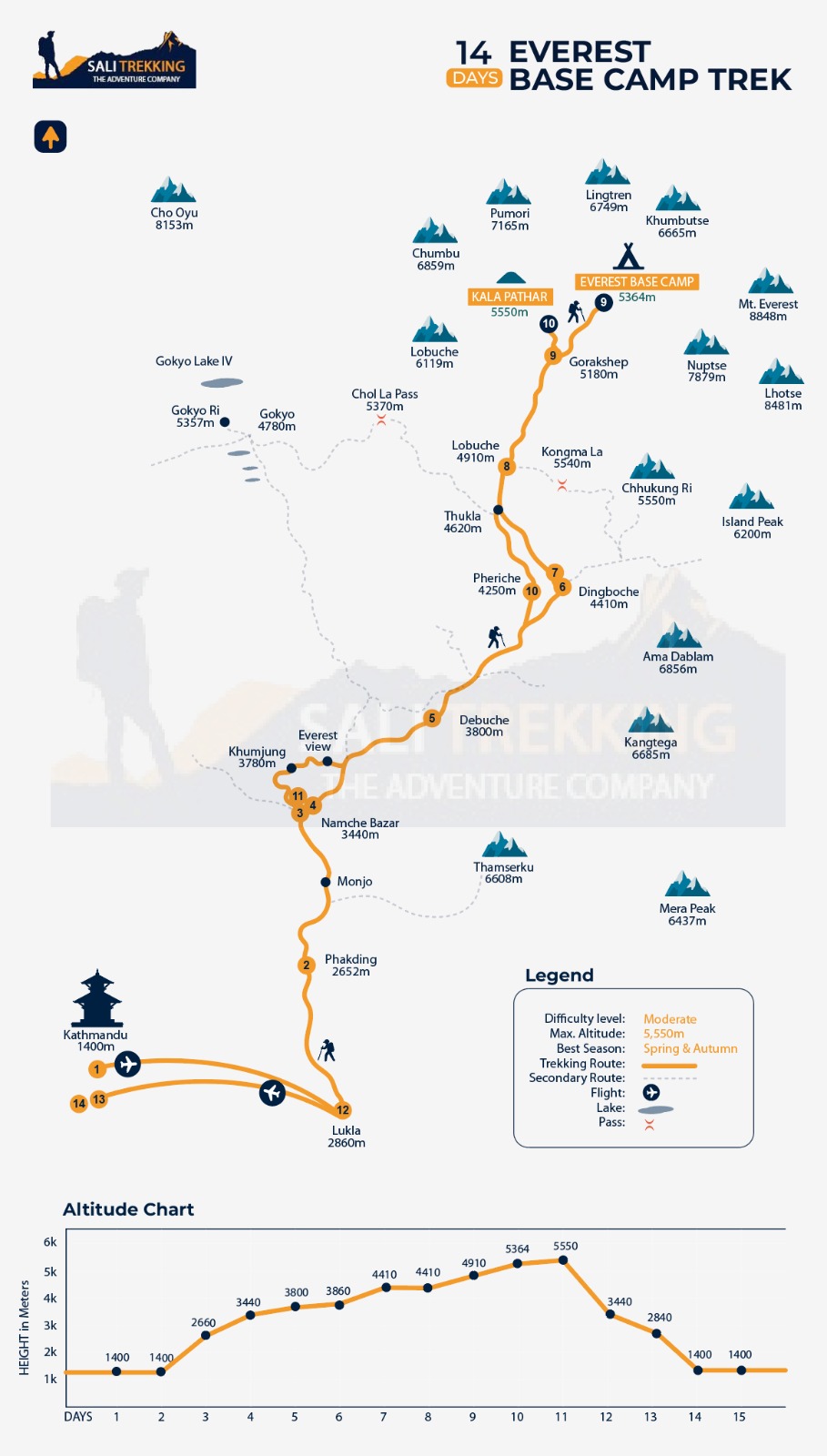


Thinking about hiking to Everest Base Camp? Oh boy, get ready. It’s not just some Instagram flex; you’re in for cold mornings, thin air, strange toilets, and more lentils than you ever wanted. Altitude messes with your head. Weather changes in a snap. Flights get cancelled just because of the weather. Permits and paperwork? Annoying, but you need them. Insurance? Don’t even think about skipping it. Teahouses are charming, but don’t expect five stars. Also, your stomach might hate you for a few days. This trek isn’t just for hardcore hikers; newbies survive too, as long as you walk in with your eyes open.
Short answer: Yeah, if you’re not a couch potato. You don’t need to be some ultra-marathon freak, but you do need the guts to keep pushing when your legs hate you. The trick is getting a guide who isn’t clueless, hiring a porter who carries your stuff, training your butt off before you go, and getting your head in the game. Pick an itinerary that lets you chill and acclimatize, or you’ll be the one puking on the trail.
So, you want to know if the Everest Base Camp trek is tough? Well, it isn’t a Sunday stroll in the park, that’s for sure. But you don’t need to be some hardcore mountaineer, either. It’s more about handling long days, thin air.
Yeah, it’s tough. But tons of regular people finish the trek every year and walk away with wild stories and Instagram pics that’ll make your friends jealous. Prepare a bit, respect the mountain, and you’ll probably do just fine. And hey, those views are worth the sore legs.
Look, altitude sickness is no joke on the Everest Base Camp trek. You hit over 3,000 meters, and your body can start throwing headaches, nausea, and not being able to catch your breath. Sounds fun, right? Here’s how people deal with it:
Picking the right trekking season for Everest Base Camp is all about the weather, trail conditions, and how much you care about crowds.
This is when most people go. The skies are clear, the rhododendrons are blooming everywhere, and temperatures are pretty comfortable. It just feels alive out there.
Another favourite. The weather stays steady, mountain views are ridiculously sharp, and the trails are dry, perfect for snapping photos. Flights to Lukla are also less likely to get cancelled, which is a big deal since you don’t want your trip ruined before it even starts.
Well, it’s cold. You’ll see way fewer people, so if you want some peace and don’t mind snow, it’s an option. But you’ll need to be ready for freezing temperatures.
Monsoon is pretty much a mess due to rain and cloud, low visibility, but trekking is doable.
Wondering what food and accommodation are like on the Everest Base Camp trek? From hearty dal bhat meals to basic tea house rooms, here’s what to expect on the trail.
You’re pretty much bunking in tea houses most nights. Picture simple wooden rooms, twin beds, some scratchy blankets, and a pillow. Don’t expect hotel-level, but honestly, when you’re wiped out after a day of hiking, anything dry and warm is five stars.
In villages like Lukla, Phakding, and Namche Bazaar, you’ll get a bit more comfort, sometimes even your bathroom attached to your room. Once you start going higher (Dingboche, Lobuche, Gorakshep), it’s back to basics: shared toilets, no heating, and forget about privacy. You’ll all crowd around a stove in the dining hall at night, swapping stories and warming up.
Hot showers, Wi-Fi, and charging exist, but they’ll cost you.? The higher you go, the more it gets expensive.
Look, if you’re picky about bathrooms, brace yourself. In Lukla, Phakding, Namche, Tengboche, and Dingboche, some lodges have rooms with attached bathrooms. Shared squat toilets or basic seats, that’s your lot.
Showers are available throughout, but it is pay-to-spray, and you’re relying on gas or solar. Most folks just skip bathing and embrace the hiker stink.
Food on the EBC trail is simple, filling, and surprisingly tasty after a day of slogging uphill. Dal Bhat is the king of rice, lentil soup, and veggies. Endless refills, too, so eat up. Momo (Nepal’s answer to dumplings), fried rice, noodles, and pasta are everywhere. Comfort carbs galore.
Breakfast is pancakes, porridge, eggs, or toast. Solid fuel for big days. Above Namche Bazaar, skip the meat, it’s not fresh, and you don’t want to gamble on mountain food poisoning.
Drink only boiled or purified water unless you’re eager for a crash course in high-altitude stomach bugs. Herbal teas like ginger or garlic? Not just tasty, but supposedly helps with altitude issues.
So yeah, it’s not luxury, but that’s part of the adventure, right? You’ll get warm food, a roof, and some wild memories to take home. Just don’t forget the toilet paper.
Honestly, you don’t need to bring your entire closet. Here’s what matters:
Trekking to Everest Base Camp is an unforgettable adventure, especially if it’s your first time in high places. It’s not just a walk in the park; you’ve got to deal with things like altitude sickness, figuring out what to pack, and not accidentally offending locals. A few basic tips can help you out. Here’s what you should know before you start your hike, so you don’t end up miserable halfway up the mountain.
How much does the 14-day Everest Base Camp trek cost in 2025 or 2026? Brace yourself, you’re looking at anywhere from $1,200 up to $2,000 for a standard trip. That covers flights to Lukla, trek permits, your guide and porter, three meals a day, and accommodation. If you want luxury or a chopper ride back down, get ready to pay a lot more.
This covers the permits, guides, food, standard room, and flights between Kathmandu (or Ramechhap) and Lukla. But you’ll cough up extra for Wi-Fi, hot showers, snacks, charging your phone, and tips for your crew. Don’t show up broke.
Don’t even think about skipping travel insurance for the EBC trek that covers high-altitude hiking and possible helicopter rescue. Some names people trust:
Double-check your plan covers evacuation above 5,500 meters.
Alright, so you’re undecided between Everest Base Camp (EBC) and Annapurna Base Camp (ABC Both treks have killer views and loads of adventure, but they’re not the same thing at all. So, which one suits you?
Both are epic, no doubt. Just depends on what kind of story you want to bring home. You after struggle and glory shots at Everest, or are you more into green trails, village chats, and kicking back in hot springs?
The EBC trek hits different. It’s not just about the hike, it’s about pushing yourself when everything hurts, catching your breath at 5,000 meters, and realizing you’ve got more grit than you thought. Annapurna? Also awesome, just a little less punishing. Either way, Nepal’s going to blow your mind. Just pick one and go.
The Everest Base Camp trekking is considered moderately challenging. Walking for several hours daily over varied terrain and at high altitudes. While no technical climbing is required, trekkers should be prepared for steep ascents, rocky trails, and changes in weather conditions.
The best time to trek to Everest Base Camp is during the pre-monsoon (spring) season from March to May and the post-monsoon (autumn) season from September to December. These periods offer stable weather, clear skies, and favorable trekking conditions.
While a good fitness level is recommended, trekkers of varying fitness levels can undertake the Everest Base Camp trek. Regular cardio exercise and hiking preparation are advisable to ensure physical fitness for the trek’s demands.
Sufficient acclimatization is crucial to prevent altitude sickness. Trekkers should ascend gradually, stay hydrated, and recognize the symptoms of altitude sickness. It is recommended that rest days be included in the itinerary for acclimatization and to descend if symptoms become severe.
Accommodation along the trek route ranges from basic tea houses to more comfortable lodges with amenities such as hot showers and WiFi, especially in the lower elevations, but higher up, accommodation is more essential. Most trekkers find delicious food along the trail, with different meal options. As the Everest base camp trekking is more commercial now, food and accommodation facilities are getting better day by day to serve their guest in the mountains.
While it’s possible to trek independently, many trekkers hire a guide or porter for added support, safety, and convenience. Guides can provide valuable insights and assistance, while porters can help carry trekking gear and luggage, reducing physical strain.
Essential items to pack include sturdy hiking boots, warm clothing, a good-quality sleeping bag, sunscreen, sunglasses, and a first aid kit. It’s essential to pack light, but ensure you have all the necessary gear for the trek.
The cost of the Everest Base Camp trekking can vary depending on factors such as the duration of the trek, accommodation preferences, and whether you choose to hire guides or porters. On average, trekkers can expect to budget between $1,000 to $2,000 for the entire trek, including permits, accommodation, meals, and incidental expenses.
The trek usually takes about 12 to 14 days (Kathmandu to Kathmandu), depending on your pace and how many acclimatization days you include.
Yes, the trek is generally safe if you take proper precautions like acclimatizing well, following your guide’s advice, and preparing physically.
You need two permits: the Sagarmatha National Park Permit and the Khumbu Pasang Lhamu Rural Municipality Entry Permit.
Absolutely. It’s strongly recommended to have travel insurance that covers high-altitude trekking and emergency helicopter evacuation.
Yes, beginners can do it with good fitness, mental preparation, and by trekking slowly with proper acclimatization.
Temperatures can drop below -10°C (14°F) at night in higher altitudes, especially in early mornings and winter months.
Wi-Fi is available in most teahouses for a small fee, and mobile networks like Ncell and Nepal Telecom work in many areas along the trail.
Kala Patthar, at 5,545 meters (18,192 feet), is the highest point trekkers typically reach for the best views of Everest.
Focus on cardio workouts, endurance walking or hiking, and strength training for your legs and core muscles.
Yes, but expect very cold weather, possible snow-covered trails, and fewer teahouses open.
Yes, there are luxury lodges along the route and options like helicopter return for a more comfortable trek.
Altitude sickness can occur above 3,000 meters and can cause headaches, nausea, and dizziness. Proper acclimatization and slow ascent reduce the risks.
Acclimatization days are rest days spent at places like Namche Bazaar or Dingboche to help your body adjust to higher altitudes safely.
Yes, in emergencies helicopter evacuation is available, but it requires proper travel insurance coverage.
Challenges include altitude sickness, cold temperatures, physical fatigue, and basic accommodation facilities.
Yes, cash in Nepali rupees is essential because ATMs are scarce beyond Namche Bazaar.
Inform your guide immediately. They will help assess your condition and arrange for medical help or evacuation if necessary.
EBC is higher altitude, offers closer views of Everest, and is more challenging, while ABC is lower altitude, less crowded, and generally easier.
Yes, many trekkers extend their journey to include Gokyo Lakes or Island Peak climbing for a more diverse experience.
Yes, hot showers are available at many teahouses but usually come with an extra charge.

Dream come true – EBC trek
“I completed the Everest Base Camp trek with Sali Trekking, and it was an amazing experience. The entire trek was well-organized, and the team took great care of us throughout. The guides were experienced and very helpful, ensuring that we had a safe and enjoyable journey. The views were absolutely stunning, and Sali Trekking made the entire experience unforgettable. Highly recommend!”
My first trek k in Nepal – Everest base camp
My first trek in Nepal, Everest base camp organized by sali trekking, all crew were very helpful, Sudip ramesh Sital all guide were very helpful, well taken care. Big thanks to all the porters too. Without them no possible. Highly recommended.
Excellent trip with new & old friends 😃
The trip was satisfying. The guide and porters are very helpful and accommodating. Despite all problems & challenges faced we made it to EBC.
I have been joining this company trip a couple of times. I will continue to support and refer to my family & friends.
Thank you Sali & team
EBC with Sali Trekking
Our team set off this incredible journey with guides from Sali Trekking, namely Niraj, Tek and Ramesh. The trio were incredible in terms of trek knowledge, service to ensure our comfort and most importantly attention to safety. Expressing my gratitude for them that the team returned safe back to home!
Journey to Everest Base Camp
Amazing 10 days journey in Nepal. Had wonderful time and breathtaking scenery.
Niraj, Teak and Ramesh from Sali Trekking ensure everyone is comfortable, safe and memorable trip of a lifetime.
Thank you and Namaste 🙏


