
Alright, listen up—I’ve summited Mera, Island, and Lobuche Peaks several times, and let me tell you, each one’s got its own weird mix of thrills, headaches, and those “holy crap, look at that view” moments.
So if you’re sitting there, scrolling, chewing your lip, trying to figure out which of these legendary Nepali giants should be your first real shot at high-altitude glory—hey, I got you. I’ve seen folks crush it, I’ve seen folks struggle, and honestly? Picking the right mountain for your debut is a way bigger deal than all those gear lists make it out to be. It doesn’t matter if you’re a weathered trail junkie ready to step it up or some wild soul who just wants to bag a Himalayan summit for bragging rights—let’s break down the good, the bad, and the “what the hell was I thinking” about each peak. Straight from someone who’s had snow in their boots on all three, again and again.
Man, I see you over there, scrolling through endless YouTube videos and Instagram photos of snowy summits and thinking, “Yeah, I want a piece of that.” But which peak do you actually try first? Mera Peak, Island Peak, Lobuche Peak—choices, choices. Honestly, this isn’t some easy one-size-fits-all answer. It’s kinda like choosing your first tattoo: you want it to look cool, but you don’t wanna end up over your head.
Alright, here’s the deal. If you’re a total newbie and you want to actually make it to the top without crying on an ice wall (hey, no shame), Mera Peak is probably your best bet. Why? It’s high—like, really high—but it’s way less technical compared to its show-off cousins. Island Peak and Lobuche Peak? Those are for folks who have at least experimented with ice axes and ropes before. Think steep ice, fixed lines, and some real scrambling. Mera Peak? It’s more of a long, exhausting walk in the sky. Hard? Oh yeah. But you don’t need to be Spider-Man.
So, Mera Peak stands at 6,476 meters; it’s officially the highest trekking peak in Nepal, and the Nepal Mountaineering Association swears by it. You’ll find it placed away in the peaceful Hinku Valley, which is way less crowded than the Everest highway. Not a Starbucks in sight, and that’s a good thing.
If you’re after proper Himalayan vibes minus the technical drama, Mera is your mountain. It’s basically a mega adventure, without needing to train like you’re joining an Everest expedition. Most of the way up, you’re just tramping across snowy glaciers, soaking in the views, and questioning your life choices as the air gets thinner. There’s a short, steep bit near the top, but with fixed ropes and a decent guide, it’s totally doable.
The Trail—Getting There is Half the Fun (or Pain)
You’ll kick things off with that infamous flight into Lukla. Scary runway, but hey, it’s all part of the story. After that, you’re heading into the Hinku Valley, which is, frankly, stunning. We’re talking thick forests of rhododendron and bamboo, wobbly bridges, and little Sherpa villages where WiFi is a myth. The trail is not packed with trekkers, so you might go hours just hearing your own wheezing and the odd yak bell.
Places like Chutanga, Thuli Kharka, Kothe, and Khare—they’re on the menu. You’ll climb slowly, get used to the altitude, and maybe even forget what city noise sounds like. Facilities? Meh, it’s basic, but that’s half the charm. You’ll meet Sherpa folks, probably get fed more dal bhat than you can handle, and see a side of Nepal that most tourists miss.
Mera Peak Expedition Summit Day—The Payoff
When you finally reach High Camp (just above 5,800 meters, so yeah, you’ll feel it), you gear up early for the big push. Summit day is a grind, not gonna sugarcoat it. The air is thin, your legs hate you, but the route itself isn’t technical. Crampons, ice axe, harness—standard kit. The last 30-40 meters? It’s a bit steep, but there’s a fixed rope, and your guide has got your back.
Get to the top, and boom—unreal views. Like, straight-up postcard material. On a clear day, you can see Everest, Lhotse, Makalu, Cho Oyu, and even Kanchenjunga way off in the distance. Five 8,000-meter monsters in one shot. Not many places in Nepal give you that.
Who Should Climb Mera Peak?
Look, it’s not a walk in the park. You need to be fit, like, “I can hike for hours uphill without dying” fit. But you don’t need to be a technical climbing guru. Most outfitters will show you how to use all the climbing gear before the big day, so you’re not going in blind.
If you just want to see if you’ve got what it takes at altitude, Mera is the gateway drug. Once you’ve bagged it, maybe you’ll catch the bug and start eyeing Island or Lobuche next—or, who knows, even bigger trips.
Why Mera Peak Rocks (Especially for Beginners)?
How long does it take do Mera Peak Expedition?
Buckle up, because you’re looking at about 16 to 20 days, all in. Some folks hustle a bit faster; others take their sweet time. It all depends on your route, how your body handles the altitude, and, honestly, how many tea breaks (or yak sightings) you want along the way. You start with that famous roller-coaster flight into Lukla, then wander your way up through the wild Hinku Valley—think fewer crowds, more yaks, and actual silence. You’ll get a bunch of rest days sprinkled in so you don’t faceplant from altitude sickness, plus some pre-summit training at Khare or High Camp, where you’ll learn the ropes (literally).
Actual summit push? That’s usually a one or two-day thing from high camp, but don’t kid yourself: the whole trek’s an adventure, not just a sprint to the top. You’ll get a crash course in glacier travel, meet locals, eat more dal bhat than you thought possible, and deal with everything from muddy trails to icy winds. If you’re worried about the altitude, good! These rest days and the slow ascent are there so you don’t turn into a human balloon halfway up.
Who’s it for?
Well, if you’re a first-timer itching for a real Himalayan climb but not ready to swing off a cliff with an ice tool, Mera is your jam. Perfect for folks who’ve done decent treks—Everest Base Camp, Annapurna Circuit, stuff like that—and now want to level up. Also, if you just want to see if you can hack it at 6,000 meters before going even bigger (if you’re nuts, anything over 7,000 m), this is your playground.
You’ll pick up the basics: walking on snow, strapping on crampons, swinging an ice axe around (don’t worry, the guides will keep you from poking your eye out), plus maybe a bit of fixed rope action near the top. It’s all pretty guided and safe—definitely not Everest, but hey, you’ll feel like a boss.
But who should probably skip it? If you’ve never done a multi-day trek, hate long walks, or crave gnarly technical climbing with ropes and vertical ice, you might get bored. Mera is tough—don’t get me wrong, the altitude and length will kick your butt—but it’s not wildly technical. Also, if your vacation window is basically just a long weekend, forget it. This isn’t a quickie.
Why bother?
Well, Mera is the highest trekking peak in Nepal, 6,476 m, so when you stand up there, you’re looking down on pretty much everything except the big-boy mountains. The trail is peaceful (no Everest traffic jams), and the Hinku Valley is basically the Shire if hobbits were Sherpas. On summit day, you get a panoramic view that looks fake—Everest, Lhotse, Makalu, Cho Oyu, and Kangchenjunga. Big names. Big views. You’ll walk for hours on this huge glacier, feeling like you’re in the world’s best snow globe.
The trek itself? Wildly varied. Lush forests, terraced farms, and yak pastures, then bam—moon-like glaciers. And you’ll actually meet real people living in the mountains, not just other tourists asking for WiFi.
So yeah, climbing Mera Peak isn’t just about bagging the summit—it’s about the slog, the scenery, the weird snacks, the altitude-induced existential crises, and then the mind-blowing moment when you’re standing above the clouds, surrounded by Himalayan giants. If you want a real adventure, but you’re not quite ready for full-on mountaineering madness, Mera is pretty much as good as it gets.


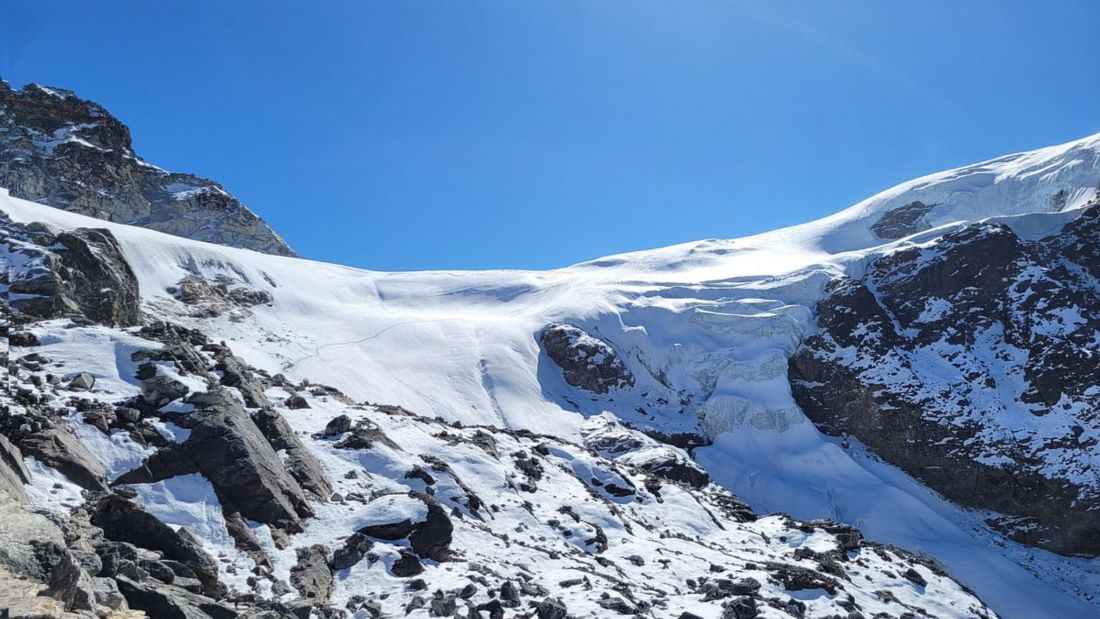
Alright, let’s get real about Island Peak (or Imja Tse, if you wanna sound like a local). You’ve got this snazzy summit, clocking in at 6,189 meters. That’s what, 20,305 feet? Not too shabby. It’s just chilling in the Khumbu, basically waving at Everest Base Camp like, “Hey, look at me too!” Tons of folks hit this one up—probably because it’s the perfect mash-up of high-altitude hiking and proper mountaineering, but without all the drama of a full-blown expedition. If you’re not a couch potato, you’re itching for something more than the usual trek, but you’re not quite ready to mortgage your house for an Everest bid? Yeah, Island Peak is calling your name.
So, why “Island Peak”?
Some Brits back in the ‘50s thought it looked like an island poking out of a frozen sea. Pretty poetic for a bunch of climbers, honestly. The spot itself is epic—right in the Imja Valley, boxed in by monster Himalayan walls and glaciers. And the cherry on top? You can tack on Everest Base Camp or Kala Patthar. Double bragging rights.
Let’s talk about getting there
First, you jump on this tiny plane from Kathmandu, land in Lukla (fingers crossed, because, you know, that runway), and start hoofing it up the legendary EBC trail. You’ll cruise through places like Phakding, Namche (shoutout to the bakeries), Tengboche, and Dingboche. The scenery? Straight-up insane. Pine forests, hills splattered with rhododendrons, wide-open meadows, and wild glacier valleys. At Dingboche or Chhukung, you’ll veer off toward Island Peak, trading the crowds for even more jaw-dropping views and a bit of peace. Oh, and you’ll actually get to chat with the Sherpas, not just wave as you pass by. The whole approach is this killer mix of epic scenery and real Himalayan culture. Win-win, if you ask me.
Summit Day of Island Peak Climbing
Now, climbing Island Peak isn’t just a long walk. Summit day is the real deal. We’re talking an alpine start before the sun’s even thinking about showing up, maybe 2 or 3 AM. Glacier slogging, roped-up, crevasses everywhere. At some point, you’ll haul yourself up a 100-meter ice headwall, hanging on fixed lines, probably questioning your life choices. The last bit? A super narrow ridge that feels like you’re tightrope-walking above the clouds. Better bring your A-game—and, you know, crampons, ice axe, helmet, the whole shebang. Not quite Everest, but definitely not a walk in the park either. Mera Peak? Easier. Don’t let anyone tell you different.
Thankfully, most outfitters run a little crash course before you go for the summit, not to tangle yourself in ropes, not to fall in a crevasse, and all that good stuff. If you show up fit, acclimatized, and not hungover, you’ve got a decent shot at the top.
And the summit… Man. You’ll be gasping for air, legs like jelly, but the views? Next level. Lhotse right in your face, Ama Dablam showing off, and Makalu lurking out there. That ridge at the top? Pure Instagram gold. It feels like you’re standing on the edge of the world.
So, why bother with Island Peak?
– Real Himalayan mountaineering, but you don’t need to be Alex Honnold (American rock climber).
– Learn the ropes—literally. Glacier travel, fixed lines, crevasse hopping, the works.
– You can double-dip with Everest Base Camp or Kala Patthar. More bang for your buck.
– Views for days: Lhotse, Nuptse, Ama Dablam, Makalu, Everest… You get the idea.
– You’ll feel like a beast—6,000+ meters under your own steam.
– Perfect if you’ve outgrown regular trekking and want a taste of real climbing.
– That summit ridge? Probably the coolest photo you’ll ever take.
– Great prep for bigger stuff down the line—thinking 7,000m or 8,000m? Start here.
– Pro guides, pre-climb training… No cowboy antics, just safe, solid adventure.
– And you get to soak up Sherpa culture, Buddhist monasteries, and some of the wildest valleys in Sagarmatha National Park.
Island Peak is the ultimate “level up” for anyone trekking in Nepal. Go for it—just don’t forget your snacks and your sense of humor.
How long does it take to climb Island Peak?
Well, strap in. You’re looking at anywhere from 16 to 20 days, give or take, depending on how you want to play it. Some folks tack it onto the Everest Base Camp trek (because why not make your legs hate you a little more?), while others just gun for the summit straight from the Imja Valley.
Usually, you’ll hop a tiny plane from Kathmandu to Lukla (famous for its “hold-on-to-your-seat” landings), then slog your way through the classic EBC trail—Namche, Tengboche, Dingboche, all those iconic spots. Oh, and don’t even think about skipping acclimatization days or the pre-climb training.
Unless you really enjoy headaches and nausea. The actual climb from base camp to the summit only takes a day or two, but the summit push? That’s a pre-dawn, “what am I doing with my life?” kind of morning. Trust me, you’ll want to pace yourself and come prepared if you want to enjoy the thing.
Who Should Climb Island Peak?
If you’re in pretty good shape and you’ve already crushed treks like Everest Base Camp, Annapurna Circuit, or Langtang, this is your next big flex. Island Peak is perfect for folks itching to get their first Himalayan summit or eyeing bigger stuff down the line—think Lobuche, Mera, or even some nutty 7,000 m monster. You get a real taste of mountaineering: roped-up glacier travel, pre-dawn starts, and some basic fixed-line stuff, but nothing so intense you need to be Alex Honnold. Operators usually run you through the basics at base camp or Chhukung, so you don’t show up looking like a total rookie.
Oh, and it’s a sweet combo if you want a bit of everything—classic trekking, Sherpa culture, jaw-dropping landscapes, and that “I climbed a real mountain” bragging right. It’s honestly the best of both worlds.
Now, who should probably skip it? If you’ve never done a multi-day trek, or you get winded climbing stairs, maybe pump the brakes. Island Peak isn’t Everest, but it’s no cakewalk either. There’s some legit glacier travel; you’ll be harnessed in, and summit day is long and cold and starts in the pitch black. If you’re more into sipping chai and taking selfies than grinding up switchbacks in the dark, this ain’t your vibe. Also, don’t try to squeeze it into a week—16 to 20 days is standard, unless you like the idea of altitude sickness as a souvenir. If you want something scenic but less technical, maybe check out Mera Peak or just stick to the Everest base camp and Gokyo Lakes trek.
Major Highlights of Island Peak Climbing, here you go:
– 6,189 m (20,305 ft) up—yeah, that’s a real Himalayan summit.
– Actual mountaineering: fixed ropes, glacier crossings, even an ice wall.
– Can double up with Everest Base Camp, if you want to go for it.
– Mad views: Lhotse, Ama Dablam, Nuptse, Makalu, and many other peaks.
– Sherpa villages, ancient monasteries, the whole cultural deep dive.
– You’ll get a training day before the summit, so you’re not totally winging it.
– It feels remote, but not impossible to reach—just hop a flight to Lukla and walk.
– Epic photos: forests, glaciers, crazy peaks—Instagram will love you.
– Solid prep if you’re thinking about bigger expeditions down the road.
– Best seasons for doing Island Peak? Spring (April–May) and autumn (October–November). Don’t bother in the monsoon unless you like wet socks and zero views.
So yeah, Island Peak is more than just ticking a box—it’s a full-on adventure. You get the trekking, the culture, and the “holy crap, I’m actually doing this” moments, all rolled into one. Whether it’s your main goal or just a wild add-on to EBC, you’ll come back changed. Stronger, probably smellier, but definitely with a better story to tell at the pub.
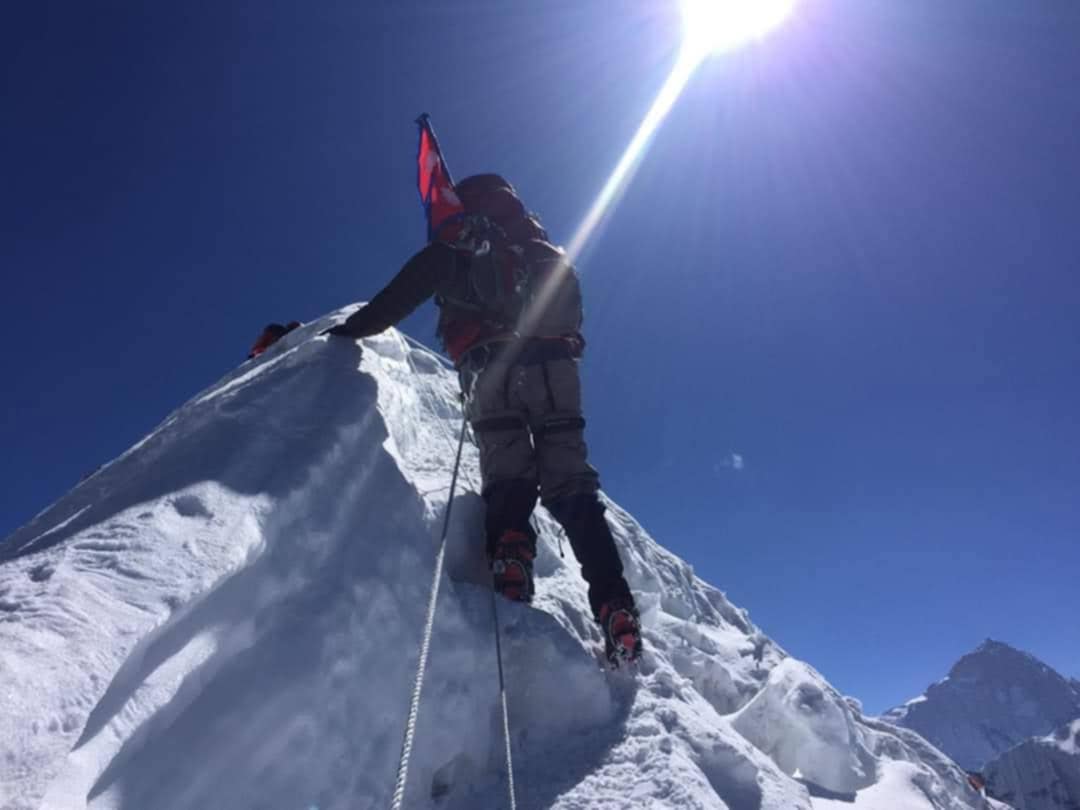
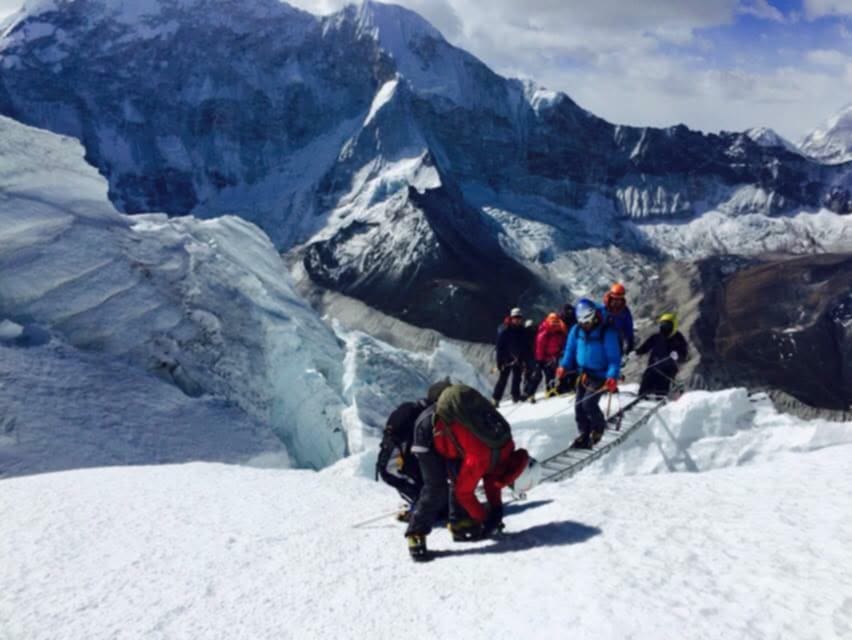
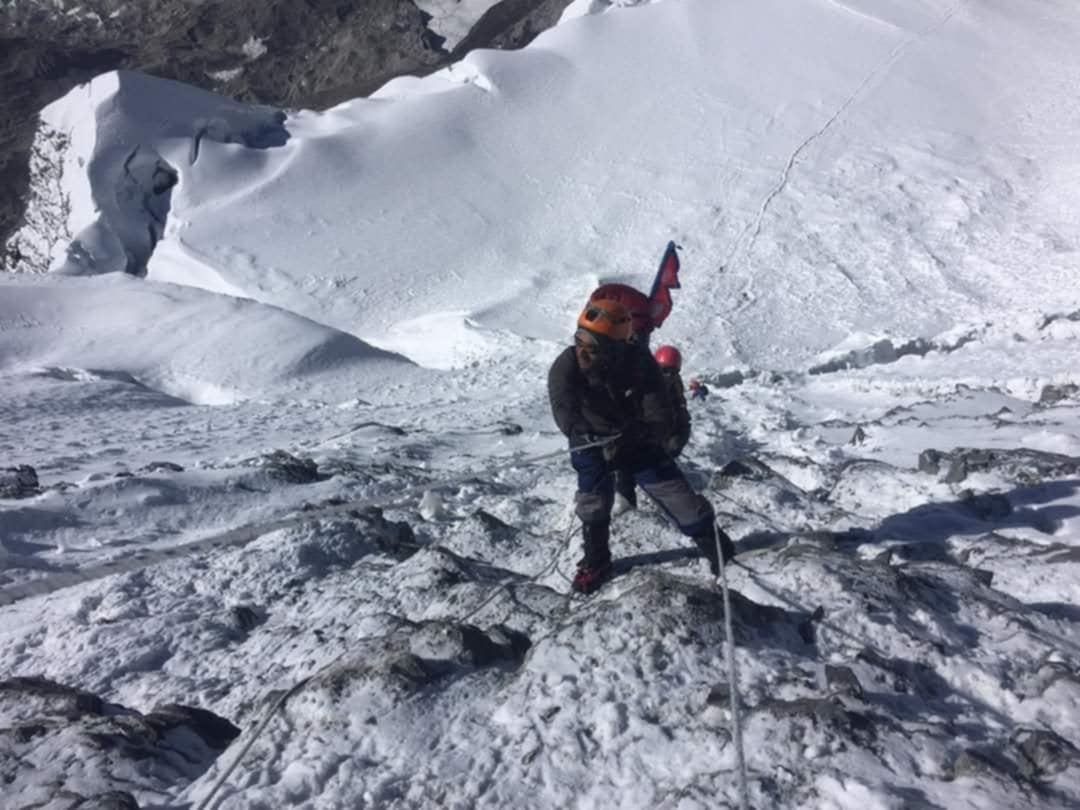
Alright, so Lobuche Peak. This sucker stands tall at 6,119 meters (yeah, that’s 20,075 feet for the “imperial or bust” crowd) and hangs out dangerously close to the Everest Base Camp trail in Nepal’s Khumbu region. It’s not your average “walk-up” hill. Nope. Lobuche Peak has a reputation for being one of the spicier trekking peaks around. You want a real mountaineering test—something gnarlier than your basic snow plod but not quite Everest-death-zone-level? Welcome to the club.
The mountain cozies up to the Khumbu Glacier, with the big boys—Everest, Lhotse, all those monsters—looming in the background. Honestly, the scenery alone might knock your socks off before altitude even gets a chance.
Lobuche isn’t a stroll. Climbing it means rock scrambling, hacking up steep icy slopes, and getting very friendly with fixed ropes. If you’re itching for something that’ll make your mom nervous but still isn’t 8,000-meter madness, this is your jam. You get the adrenaline, you get to flex those climbing muscles, and you’ll be talking about those views for the rest of your life.
Getting There: The Classic Khumbu Rollercoaster
First things first—you hop on a tiny plane from Kathmandu to Lukla (pray to whatever gods you believe in, those landings are wild). From there, you’re on the legendary Everest Base Camp trail, weaving through iconic Sherpa villages: Phakding, Namche, Tengboche, Dingboche—each with its own vibe, prayer flags, and yak traffic jams. You wander through pine forests, dodge rhododendron bushes, and get your first taste of those “holy crap, I’m in the Himalayas” moments.
Pretty much everyone takes a breather at Lobuche village—think of it as the last pit stop before things get real. Acclimatize, eat all the dal bhat, and brace yourself. Because after this, the trail turns into a proper mountaineering playground: steeper, icier, and more demanding. You know your stuff.
You’re not just hiking; you’re living in the heart of Sherpa culture, surrounded by mountains so big your phone camera can barely do them justice.
The Lobuche Peak Climb: Not for the Faint of Heart
Here’s where Lobuche separates the tourists from the climbers. Yeah, it’s called a “trekking peak,” but that’s just Nepal being polite. The summit push? It’s a mixed bag of steep rock, hard ice, and snow that’ll have you double-checking your crampons. Expect to:
You don’t need to be Alex Honnold, but this isn’t the place to learn how to put on a harness. Most teams run training sessions at base camp or in the village—if you’re smart, you’ll pay attention. With solid guides and a bit of grit, you’ve got a good shot at tagging the top.
The Summit of Lobuche Peak: Worth Every Bruised Toe
Getting to the top of Lobuche? Oh man. Physically brutal, mentally exhausting, but standing on that knife-edge summit ridge with Everest, Lhotse, Nuptse, and the whole Khumbu laid out below you? Unreal. It’s postcard material, except you’re actually there, freezing your fingers off for that one selfie.
The ridge is skinny, the drop-offs are wild, and the sense of “heck yes, I did this” is off the charts. You’re at 6,000+ meters, soaking in that thin, cold air and wondering if you’ll ever have a moment this epic again.
Why to choose Lobuche Peak?
Lobuche Peak is the real deal. Tough, beautiful, and a legit ticket to the world of Himalayan mountaineering. Bring your sense of adventure (and maybe a few extra Snickers bars).
How long does it take to climb Lobuche Peak?
Well, strap in—a typical trip runs about 14 to 17 days. Yeah, you’re not just popping up there for a weekend. It kicks off with that classic flight to Lukla (good luck with the weather gods), then you hike along the Everest Base Camp trail. This isn’t just a slog—there’s loads of time to soak up the altitude, check out those iconic Sherpa villages, maybe grab some butter tea, and snap a few monastery selfies.
The real climb? That’s usually one or two pretty intense days from Lobuche Base Camp, and you’ll squeeze in some pre-climb training to make sure you don’t freak out on the technical bits. Most people toss in a couple of rest days, because let’s be real, altitude sickness can ruin your trip. That whole timeline gives you a nice mix: jaw-dropping scenery, a bit of culture, and a solid alpine challenge.
Who Should Climb Lobuche Peak?
To be honest, Lobuche Peak isn’t the best choice for absolute beginners. If you’ve never worn crampons or handled a rope, you might want to start with something less technical. But if you’ve trekked at high altitude before and are craving a climb with a bit more edge—something that pushes your skills without going full mountaineer—Lobuche is exactly the kind of spicy challenge you’re looking for.
The trek itself?
Super classic. You go to Lukla, Namche Bazaar, then wind your way up past yak trains and prayer flags towards Lobuche village. Culture and killer landscapes, all in one go. The summit push is where things get real—you need a solid acclimatization plan, a good guide, and a crew you trust because the route is no joke.
On the flip side, if you’re a total newbie, do yourself a favor—don’t pick Lobuche as your first big climb. There’s rock scrambling, sketchy ice, and plenty of places to mess up if you’re not confident on technical ground. If you’re new to altitude or not super fit, you’re just asking for trouble—or a fast ticket back down. And if you’re short on time or want something more mellow, try Mera or Island Peak instead. Lobuche is for folks who’ve put in the training and know what they’re doing.
Highlights of the Lobuche Peak Climb, because why not:
– It’s one of the most technical trekking peaks in Nepal—think scrambling, ice climbing, the works.
– Insane views: Everest, Lhotse, Nuptse, and Khumbu Icefall—all in your face.
– You’ll get legit experience with ropes, crampons, ice axes, and all the alpine toys.
– It’s right off the Everest Base Camp trail, so you can mash up trekking and climbing in one mega trip.
– Loads of Sherpa culture along the way—think home-cooked dal bhat and walls of prayer wheels.
– You need to be fit and well-acclimatized, or you’re toast.
– If you’re looking to level up before chasing those giant Himalayan peaks, this is your proving ground.
Climbing Lobuche Peak isn’t just a vacation—it’s a full-on adventure. You’ve gotta be ready for long days, thin air, and technical stuff that’ll keep you on your toes. But man, the payoff? Unreal. If you’re ready to push yourself and get a taste of real Himalayan climbing, Lobuche is where you want to be. Just leave the training wheels at home.


Alright, so you’re thinking about your first big mountain in Nepal and wondering why everyone keeps hyping up Mera Peak. Lemme shoot straight: if you’re new to high-altitude climbing, Mera is the perfect “gateway drug” into the whole Himalayan scene.
Here’s the thing—Mera Peak is the tallest trekking peak in Nepal (6,476 m, which is wild), but don’t let the height freak you out. Compared to stuff like Lobuche or Island Peak, Mera is way less technical. No gnarly vertical ice walls, no crazy rope gymnastics. Most of it is just a long hike across glaciers with a short, not-so-scary ice slope right near the top. If you can walk uphill for hours and not lose your mind, you’re halfway there.
Plus, the crowds? Nah, you won’t find the Everest traffic jam here. The trail’s chill, winding through hidden Sherpa villages and epic mountain views without a zillion other trekkers breathing down your neck. And when you hit the summit, you get this insane panorama: Everest, Lhotse, Kanchenjunga, Makalu, and Cho Oyu—all those big boys in your face at once. Honestly, it’s a flex for any rookie mountaineer.
Mera Peak is the kind of climb where you’ll learn the ropes (literally and figuratively): crampons, ice axe, all that jazz. But in a safer, more supportive vibe. The guides know their stuff, and you’ve got time to get comfortable with the gear instead of panicking halfway up a vertical ice wall. Bag this one, and your confidence is gonna skyrocket—next thing you know, you’ll be eyeing those tougher peaks like Lobuche or Island.
Quick hits:
– Tallest trekking peak, but the easiest technically. No wild ice climbing or rope wizardry needed—perfect if you’re just starting out.
– It’s mostly snowy walks and gentle glacier stuff, with just a short “hey, pay attention” slope near the top.
– Ideal for learning how to use mountaineering gear without risking your neck.
– Less crowded, more peaceful, plus you get legit Himalayan village vibes.
– Climbing it will toughen you up, mentally and physically, and prep you for whatever comes next.
Now, why not Lobuche Peak?
Oh boy. Lobuche is a whole different beast. You’re talking steep rocks, exposed ridges, actual climbing. If you haven’t already spent quality time dangling from ropes and stomping around in crampons, Lobuche is gonna chew you up and spit you out. It’s risky for newbies, period.
And Island Peak?
It’s a step down from Lobuche, but still—there’s a proper ice wall, crevasses, and fixed ropes. Not what you wanna deal with on your first try, especially when you’re gasping for air at 6,000 meters and trying to remember which knot is which. Summit day on the island is a grind. Fun if you know what you’re doing; absolutely brutal if you don’t.
So yeah, start with Mera. You’ll get your Himalayan adventure, dial in your skills, and actually enjoy the process instead of white-knuckling it the whole way up. Once you’ve got Mera under your belt, then start dreaming bigger—Island, Lobuche, maybe even something crazier. Baby steps, my friend. Baby steps.
Alright, so you’re torn between Lobuche Peak and Island Peak for your first Himalayan climb? Let’s cut through the fluff—Island Peak is usually the smarter move if you’re just starting. Here’s why:
Honestly, Island Peak is like the “intro to high-altitude climbing” class. The route’s pretty straightforward—yeah, you’ll get your adrenaline fix with ice walls and some crevasse action, but nothing crazy technical. The path is well-marked, you’ll find fixed ropes where you need them, and the guides? Super dialed in. Tons of people do this peak every season, so you won’t be reinventing the wheel.
Bonus: It’s right near Everest Base Camp. You can string together some legendary acclimatization hikes (think Kala Patthar, Chhukung Ri) to get your lungs ready for the big day; it makes a real difference in how you handle the altitude. Plus, the infrastructure is solid. You’ll find lots of support, proper safety measures, and even some basic training on the mountain itself.
Now, if you’re eyeing Lobuche Peak… whoa there, cowboy. Lobuche is a whole different beast. You’ve got rock scrambling, those exposed ridges where your heart rate spikes just looking down, and the margin for error? Not huge. You really want to be comfy with ropes, crampons, and ice axes before you mess with this one. Not to mention, it’s tougher physically and mentally and less forgiving if you make mistakes.
So, when should you even consider Lobuche? Well, if you’ve already done some climbing (even just smaller stuff), you’re super fit, you don’t mind heights, you know your way around basic mountaineering gear, and you actually *like* Type 2 fun… okay, maybe it’s time to level up. But don’t kid yourself—this isn’t a casual stroll, and you’d better have a legit guide and enough time to acclimatize.
To sum it up, for most first-timers: go with Island Peak, get your Himalayan stripes, and save Lobuche for round two when you’re ready to up the ante. Trust me, the mountains aren’t going anywhere.
Honestly, you wanna hit up Nepal in spring (April-May) or autumn (Sept-Nov). It’s not too hot, not too cold, and the skies aren’t throwing a tantrum.
Mera’s the “beginner-friendly” one if you’ve at least Googled “How to use crampons.” Island and Lobuche? You’ll wanna have some trekking chops before you even think about it.
You can’t just roll off the couch and conquer 6,000 meters. If you can’t climb a few flights of stairs without gasping, better start jogging now.
Nepal’s got paperwork for days. You’ll need a climbing permit from the Nepal Mountaineering Association, plus national park and local area permits. Basically, bring your passport and wallet.
Yeah, you’re not going solo. Guides and support staff are non-negotiable—both for permits and so you don’t end up lost, freezing, or worse.
Mera: 16-20 days. Island: 14-18 days. Lobuche: 14-17 days. Not a weekend trip, buddy.
Mera: 6,476 m. Island: 6,189 m. Lobuche: 6,119 m. AKA: “Why is my head pounding and my snot frozen?”
No winging it. You’ll need crampons, an ice axe, a harness, a helmet, ropes—the works. Especially for Island and Lobuche, which like to flex their technical muscles.
Mera’s the chillest—mostly walking, not much vertical shenanigans. The island has some steep ice and fixed ropes. Lobuche? More technical. Rock AND ice. Prepare to sweat and swear.
Totally doable with Island and Lobuche—they’re right off the EBC trail. Mera’s out in the sticks, though. Different vibe.
Nope. Rules say you need a guide and a legit team. No lone wolves allowed (sorry, Instagram adventurers).
Go slow, take rest days, and maybe climb side peaks like Chhukung Ri or Kala Patthar. Hydrate, chill, repeat.
Maybe not “freaking out,” but yeah, it’s a real risk. Anything over 6,000m can mess you up. Listen to your body, don’t be a hero.
Colder than your ex’s heart and windier than your uncle’s stories. Snowstorms can pop up, even in “good” seasons.
Yeah, but it’s going to cost you. Get travel insurance that actually covers high-altitude rescue, or prepare to sell a kidney.
Dress like an onion: layers, down jacket, solid boots, gloves, headlamp, and all the climbing toys. If you forget it, you’ll regret it.
Absolutely! Kathmandu and Lukla have rental spots. Just make sure your boots don’t have mystery smells.
Depends on the peak, but think: permits, guides, porters, gear, food, beds, flights. Your wallet will notice.
Nope, that’s not a loophole you can wiggle through. Licensed agency or bust.
Most agencies run you through the basics at base camp—enough to not look clueless with an ice axe.
The altitude. The cold. Your own aching legs. And if you’re doing Island or Lobuche, the technical sections will make you question your life choices.
No official cutoff, but you should be fit and mentally ready. Most folks are somewhere between 16 and 60. Sorry, toddlers.
If you’re fit and over 50, Mera’s possible. Island and Lobuche? Not unless you’re something of a legend.
Don’t expect luxury. Teahouses are basic; sometimes you’re camping. As you get closer to civilization, things improve. A little.
Nope, not for these peaks. Just breathe (slowly).
You’ll get dal bhat and simple international dishes at teahouses. Bottled water’s everywhere, but it’ll cost you more the higher you go.
Spotty at best. Some villages have mobile coverage. In the wilderness? Maybe a satellite phone if you’re fancy.
Maybe some blue sheep, Himalayan birds, weird flowers. Don’t expect to see a yeti.
On Lobuche and Island, yeah, it’s a thing. Your guide will keep an eye on the danger zones.
Tell your guide, stop moving, hydrate, and if things get worse, descend. Pride won’t save you, but your guide will.
And that’s the real scoop—now go start training!
Trek with heart. Trek with Sali.
 25+ years of trusted experience Local experts with personal care Safe, budget-friendly, & customized treks Real stories, real people, real mountains
 DM us now for your dream Himalayan journey!