
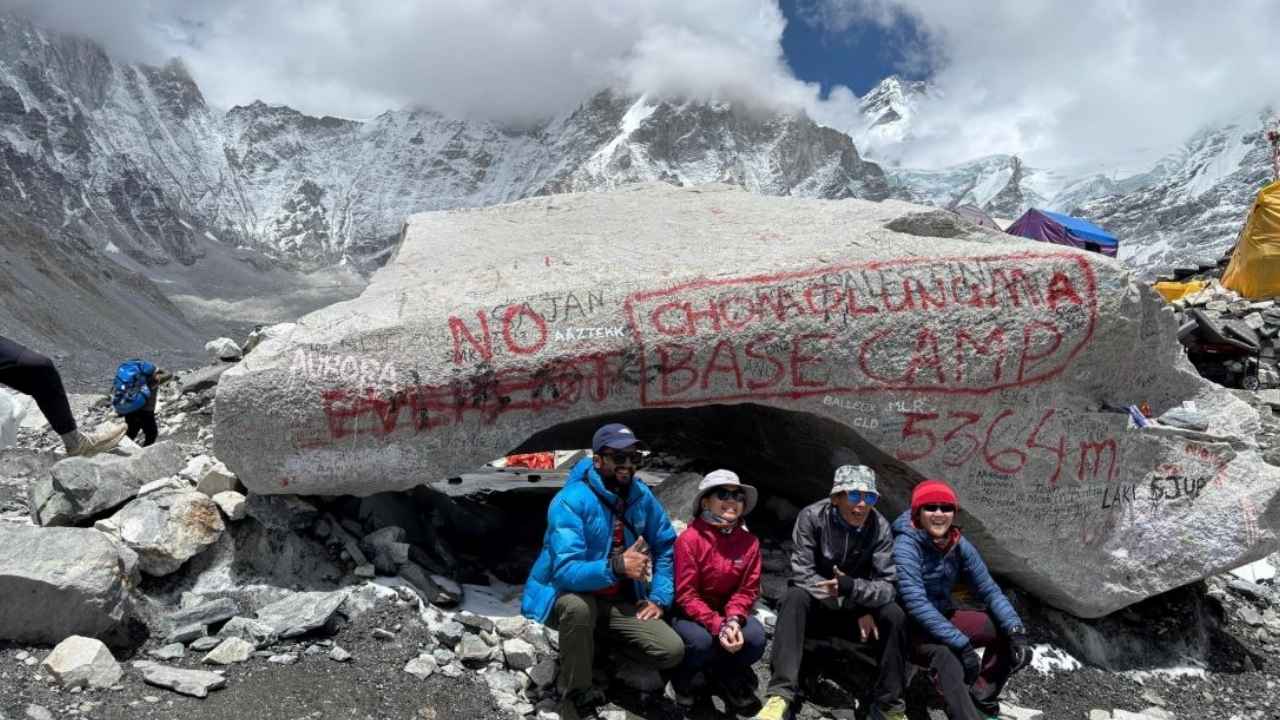
Everest Base Camp Trek Cost for 2027:
The Everest Base Camp trek cost 2027 with Sali Trekking is USD 1,400 per person for a 14-day guided trip. The package includes two nights of hotel accommodation in Kathmandu, return flights between Kathmandu and Lukla, trekking permits, 11 nights in mountain tea houses, meals during the trek, a licensed trekking guide and porter support. International flights, Nepal visa, travel insurance, personal expenses and tips are paid separately.
The total cost of the Everest Base Camp trek depends on the services included in your package, the time of year you travel and how much you spend along the trail. Before booking, check exactly what your trekking company provides. Some companies advertise a low price but leave out domestic flights, meals, permits or porter services.
At Sali Trekking, our standard 14-day Everest Base Camp package costs USD 1,400 per person in 2027. In this guide, I explain what is included in the price, what you need to pay separately, how much extra money to bring and what to expect during the 14-day trek.
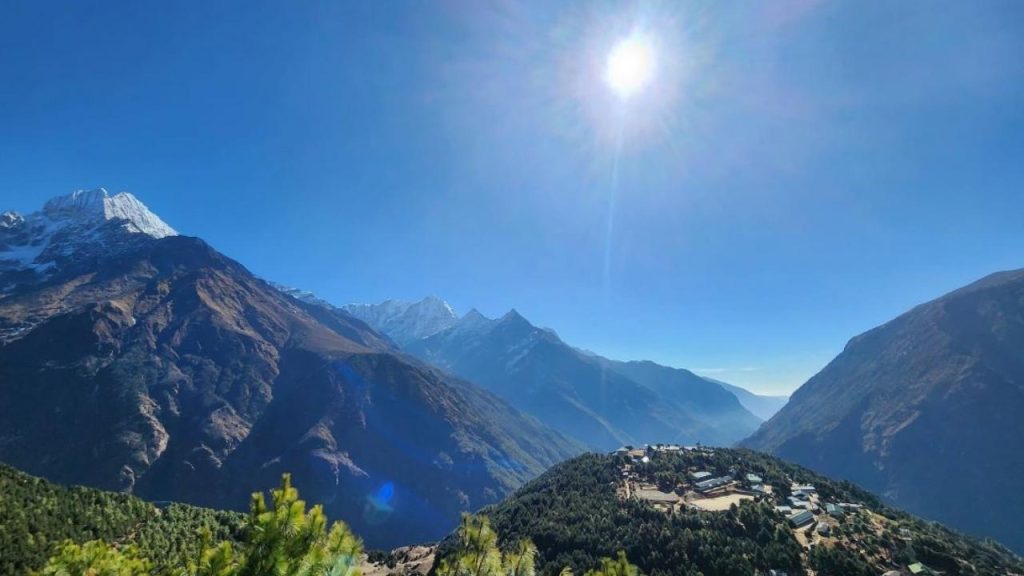
How Much Does Everest Base Camp Trek Cost in 2027?
The standard 14-day Everest Base Camp trek with Sali Trekking costs USD 1,400 per person in 2027.
This is a guided package covering the main travel and trekking arrangements from your arrival in Kathmandu until your departure. It includes two hotel nights in Kathmandu, return Lukla flights, accommodation and meals during the trek, permits, a licensed guide and porter support.
Your additional budget will depend on your international airfare, travel insurance, visa, personal spending and tips for the trekking crew.
Here is a quick overview:
| Item | Cost |
| 14-day Everest Base Camp package | USD 1,400 |
| Kathmandu hotel accommodation | 2 nights – Included |
| Mountain teahouse accommodation | 11 nights – Included |
| Kathmandu–Lukla return flights | Included |
| Trekking permits | Included |
| Guide and porter | Included |
| Meals during the trek | Included |
| International airfare | Extra |
| Nepal visa | Extra |
| Travel insurance | Extra |
| Personal expenses and tips | Extra |
The package is designed for trekkers who want a standard guided trip without paying for luxury accommodation or unnecessary extras.
What Is Included in the USD 1,400 Everest Base Camp Trek Package?
When you compare Everest Base Camp trekking prices, look beyond the headline figure. Check the accommodation, flights, meals, permits and staff arrangements. These make up a large part of the cost.
Here is what Sali Trekking includes in its 2027 package.
- Two Nights of Hotel Accommodation in Kathmandu
Your package includes two nights in a Kathmandu hotel on a twin-sharing basis.
- First night: On arrival in Kathmandu, before the trek begins.
- Second night: After returning from Lukla, before your international departure.
The first night gives you time to rest after your international flight, meet our team and prepare your trekking equipment. After the trek, you return to Kathmandu for another night before flying home.
If you arrive earlier, stay longer or need extra hotel nights because of a change in your travel plans, those additional nights are not included.
Meals and drinks in Kathmandu are also separate.
- Return Flights Between Kathmandu and Lukla
The package includes domestic flights between Kathmandu and Lukla in both directions.
The flight to Lukla takes approximately 30–35 minutes when operating directly from Kathmandu. It is a short but important part of the journey because Lukla is the starting point for the Everest Base Camp trail.
During busy trekking seasons, some flights operate from Ramechhap Airport instead of Kathmandu. In that case, the journey includes a road transfer from Kathmandu to Manthali Airport, followed by a flight to Lukla. The applicable shared ground transportation is included in the package.
Lukla flights depend on weather conditions. Delays and cancellations are possible, so I always recommend keeping some flexibility in your international flight arrangements.
- Eleven Nights of Mountain Accommodation
Accommodation in the Everest region is in local teahouses and mountain lodges.
Your package includes 11 nights of accommodation during the trek, generally in twin-sharing rooms.
Rooms are simple, usually with two beds, mattresses, pillows and blankets. In lower villages, some lodges offer private bathrooms. Higher up, particularly in Lobuche and Gorak Shep, facilities become more basic and toilets are commonly shared.
Most teahouses have a dining room where trekkers gather for meals and spend the evening. Heating is generally available in the dining area, but bedrooms are usually not heated.
Do not expect hotel facilities in the higher villages. A warm sleeping bag is useful, especially during spring and autumn nights.
- Meals During the Trek
Meals are included during the mountain portion of the trip.
The package provides:
- 13 breakfasts
- 11 lunches
- 11 dinners
Each main course meal includes a cup of tea or coffee.
Teahouse menus usually offer dal bhat, fried rice, noodles, pasta, potatoes, soups, eggs, bread and other familiar dishes. Dal bhat is a common choice because it provides a good amount of energy for walking.
Food prices increase as you gain altitude because supplies have to be carried into the mountains. Having meals included makes it easier to manage your trekking budget.
Meals in Kathmandu, additional drinks and personal snacks are not included.
- Licensed English-Speaking Trekking Guide
A government-licensed English-speaking trekking guide accompanies the group throughout the trek.
The guide manages the daily walking arrangements, coordinates accommodation, communicates with teahouses and helps you understand the route and local culture.
High altitude also requires attention. Your guide monitors how the group is adjusting and helps identify symptoms that may need medical attention or a change in the walking plan.
For larger groups, an assistant guide is arranged according to the company’s group arrangements.
- Porter Service
The package includes one porter for every two trekkers.
Each trekker can bring up to 12 kg of personal luggage for the porter to carry. One porter carries a maximum combined load of 25 kg for two trekkers.
You should carry your own small daypack containing water, snacks, a camera, personal documents and warm clothing needed during the day.
Please pack sensibly. Porters walk the same mountain trails as trekkers, and their loads need to remain within the agreed weight limit.
- Trekking Permits and Government Fees
The following required permits and fees are included:
- Sagarmatha National Park entry permit
- Khumbu Pasang Lhamu Rural Municipality entry permit
- Applicable local and government taxes and service charges
You do not need to arrange these permits yourself when booking the guided package. Our team handles the required paperwork.
- Airport Transfers and Other Trekking Support
The package also includes airport pick-up and drop-off by private transport, applicable shared road transfers between Kathmandu and Manthali when required, a basic first-aid medical kit, a pulse oximeter for monitoring oxygen saturation, and assistance with emergency rescue coordination.
The cost of an emergency helicopter evacuation is not included. This must be covered by your travel insurance.
Water purification tablets, seasonal fresh fruit during the trek, a trekking duffel bag, a sleeping bag, a company T-shirt and a trek completion certificate and medal are also provided as specified in the package.
What Is Not Included in the Everest Base Camp Trek Cost?
The USD 1,400 package covers the main trekking arrangements, but you will still have some expenses before and during your visit to Nepal.
It is better to plan these costs before travelling rather than discover them along the trail.
International Flights to Nepal
Your international flight to Kathmandu is not included. Airfare depends on your departure country, airline, travel dates and booking time.
I recommend checking flights early, especially if you plan to travel during the busy spring or autumn trekking seasons.
Nepal Tourist Visa
Most international visitors need a Nepal tourist visa. The visa fee depends on the length of your stay.
The standard visa-on-arrival fees are:
| Visa duration | Fee |
| 15 days | USD 30 |
| 30 days | USD 50 |
| 90 days | USD 125 |
Check the latest visa requirements before travelling, as eligibility and fees can change.
Travel Insurance
Travel insurance is your responsibility and is not included in the package.
For the Everest Base Camp trek, make sure your policy specifically covers high-altitude trekking up to at least 5,545 metres and emergency helicopter evacuation.
Read the policy carefully. Some standard travel insurance policies do not cover trekking at this altitude.
Food and Drinks in Kathmandu
Your two Kathmandu hotel nights are included, but meals and drinks in the city are not.
You can find restaurants serving Nepali, Indian, Asian and international food in Kathmandu. Your spending will depend on where and what you choose to eat.
Personal Expenses During the Trek
You should carry extra money for items such as:
- Bottled or boiled drinking water
- Tea, coffee and soft drinks
- Chocolate, biscuits and snacks
- Hot showers
- Wi-Fi and internet access
- Mobile phone and camera charging
- Laundry and toiletries
- Personal purchases
These services are available in many teahouses, but prices generally increase at higher elevations.
Tips for Your Guide and Porter
Tips are not included in the package price. They are a personal way to thank your guide and porter for their work during the trek.
The amount depends on the length of the trek, group size and the service provided. You can discuss an appropriate amount with your group towards the end of the trip.
Everest Base Camp Trek Cost Breakdown: Where Does Your Money Go?
The USD 1,400 package brings together several services that would otherwise need to be arranged separately.
Here is a breakdown of the main services covered by Sali Trekking.
| Service | Package arrangement |
| Kathmandu hotel | 2 nights |
| Mountain accommodation | 11 nights |
| Domestic flights | Return Kathmandu–Lukla |
| Ground transportation | Airport transfers and applicable Manthali transfers |
| Breakfast | 13 meals |
| Lunch | 11 meals |
| Dinner | 11 meals |
| Trekking guide | Licensed English-speaking guide |
| Porter | 1 porter for every 2 trekkers |
| Porter luggage allowance | 12 kg per trekker |
| Permits | National park and local entry fees |
| Safety support | First-aid kit and oximeter |
The USD 1,400 is the advertised package price, not an estimate of the individual operating cost of each service. The actual cost of organizing a trek depends on flights, group size, staff arrangements, accommodation and seasonal operating conditions.
14-Day Everest Base Camp Trek Itinerary
Understanding the itinerary also helps you understand the package price. The 14-day plan includes two nights in Kathmandu, two acclimatization days in the mountains, the walk to Everest Base Camp and Kala Patthar, and the return journey to Lukla.
Here is the standard route followed by Sali Trekking.
| Day | Route | Overnight |
| 1 | Arrive in Kathmandu (1,400m) | Kathmandu |
| 2 | Fly to Lukla and trek to Phakding (2,610m) | Phakding |
| 3 | Trek to Namche Bazaar (3,440m) | Namche Bazaar |
| 4 | Acclimatization day in Namche Bazaar | Namche Bazaar |
| 5 | Trek to Debuche (3,800m) via Tengboche | Debuche |
| 6 | Trek to Dingboche (4,410m) | Dingboche |
| 7 | Acclimatization day in Dingboche | Dingboche |
| 8 | Trek to Lobuche (4,910m) | Lobuche |
| 9 | Trek to Everest Base Camp (5,364m) and return to Gorak Shep (5,180m) | Gorak Shep |
| 10 | Early morning hike to Kala Patthar (5,545m), then descend to Pheriche | Pheriche |
| 11 | Trek from Pheriche to Namche Bazaar | Namche Bazaar |
| 12 | Trek from Namche Bazaar to Lukla | Lukla |
| 13 | Fly from Lukla to Kathmandu | Kathmandu |
| 14 | Final departure from Kathmandu | — |
What Happens During the 14 Days?
Day 1 – Arrival in Kathmandu
Our team meets you at Tribhuvan International Airport and transfers you to your hotel. You have time to rest, check your equipment and attend the trek briefing. Your first Kathmandu hotel night is included.
Day 2 – Fly to Lukla and Trek to Phakding
After the mountain flight to Lukla, you meet the trekking crew and begin walking towards Phakding. The trail follows the Dudh Koshi River through small settlements and forested sections.
Day 3 – Phakding to Namche Bazaar
You continue along the river, crossing suspension bridges and passing through Monjo before entering Sagarmatha National Park. The final climb to Namche Bazaar is steep, so take your time.
Day 4 – Acclimatization in Namche Bazaar
You spend another night in Namche to help your body adjust to the altitude. An acclimatization hike towards Everest View Hotel or nearby villages is a good option before returning to Namche.
Day 5 – Namche Bazaar to Debuche
The trail climbs above Namche before descending towards the Dudh Koshi River. You then climb through forest towards Tengboche, where you can visit the famous monastery, before continuing to Debuche.
Day 6 – Debuche to Dingboche
You pass Pangboche and follow the Imja Khola valley towards Dingboche. The landscape gradually becomes more open as you leave the tree line behind.
Day 7 – Acclimatization in Dingboche
Another acclimatization day is important before going higher. You can take a gradual hike towards Nagarjun Hill if conditions and your health allow. You return to Dingboche for the night.
Day 8 – Dingboche to Lobuche
You walk towards Thukla and pass the memorial area dedicated to climbers and trekkers who lost their lives in the Himalayas. The trail then continues towards Lobuche, where you spend the night.
Day 9 – Lobuche to Everest Base Camp and Gorak Shep
This is one of the main days of the trek. You walk to Gorak Shep, leave your belongings at the lodge and continue towards Everest Base Camp at 5,364 metres. After spending time at base camp, you return to Gorak Shep for the night.
Day 10 – Kala Patthar and Pheriche
An early morning hike takes you to Kala Patthar at approximately 5,545 metres. It is one of the best viewpoints for seeing Mount Everest up close. After returning to Gorak Shep, you descend towards Pheriche.
Day 11 – Pheriche to Namche Bazaar
You retrace the route through Pangboche and Tengboche before descending towards Namche Bazaar. The walking distance is long, but you are now returning to lower elevations.
Day 12 – Namche Bazaar to Lukla
You follow the Dudh Koshi River valley through the villages and suspension bridges you crossed earlier. You reach Lukla and spend your final night in the Everest region.
Day 13 – Fly from Lukla to Kathmandu
You take the return flight to Kathmandu, subject to weather and flight operations. Our team transfers you to your hotel for your second included Kathmandu night.
Day 14 – Final Departure
Your Everest Base Camp trek comes to an end. We arrange your airport transfer for your international departure.
Flight delays can affect this schedule, particularly in Lukla. It is sensible to leave some flexibility in your international travel plans.
How Much Extra Money Should You Bring for the Everest Base Camp Trek?
Apart from the USD 1,400 package, I suggest preparing around USD 200–300 for personal expenses during the trip. This is a planning allowance, not a fixed amount.
Your spending will depend on how often you buy drinks, snacks, hot showers, Wi-Fi and charging services.
Carry enough Nepalese rupees before leaving Kathmandu. Although there may be ATM facilities in Namche Bazaar, you should not depend on them being available or working when you need cash.
A few practical points:
- Carry small notes for everyday purchases.
- Keep some cash separate from your main wallet.
- Buy any essential personal supplies in Kathmandu before flying to Lukla.
- Do not rely on card payments in remote villages.
- Keep emergency money separate from your daily spending budget.
Your guide can help you understand the availability of services and local prices along the route.
Why Do Things Cost More at Higher Altitudes?
A common question from first-time trekkers is why food, drinks and basic services become more expensive as the trail climbs.
The reason is simple: most supplies have to be transported into the mountains.
There are no ordinary road connections to villages such as Dingboche, Lobuche and Gorak Shep. Food, fuel, building materials and other goods are carried by porters, yaks or other transport methods.
This affects the price of everyday items.
A bottle of water, cup of tea or hot shower generally costs more at Gorak Shep than in Lukla. Charging a phone or buying snacks can also become more expensive as you go higher.
This is normal in remote mountain settlements, so include these expenses in your personal budget.
How Can You Save Money on the Everest Base Camp Trek?
You do not need to spend heavily on the Everest Base Camp trek, but there are some expenses you should not try to cut. Here are a few ways to keep your budget under control.
Book Your International Flights Early
Airfares can change considerably depending on the season and availability. Compare different airlines and book when you find a suitable fare.
Bring Your Own Trekking Equipment
If you already own suitable trekking boots, warm layers, gloves and other equipment, bring them from home. Buying everything in Kathmandu at the last minute can add unnecessary expense.
Sali Trekking also provides a sleeping bag and duffel bag as part of the package.
Carry a Reusable Water Bottle
You can refill your bottle with treated or boiled water rather than buying bottled water throughout the trek. Follow your guide’s advice about treating drinking water properly.
Limit Unnecessary Purchases
Tea, coffee, chocolate, snacks, Wi-Fi and charging are useful, but buying them frequently can increase your spending.
Compare Complete Package Prices
Do not choose a trekking company simply because it advertises the lowest price. Check whether flights, permits, meals, accommodation, guide and porter services are included.
A package that appears cheaper at first may cost more once you add the missing services.
Do Not Cut Costs on Safety
I would never recommend saving money by skipping acclimatization, choosing unsuitable insurance or asking porters to carry excessive loads. These are not sensible places to reduce your budget.
Is the USD 1,400 Everest Base Camp Trek Package Worth It?
For a 14-day guided trek, USD 1,400 covers the main arrangements from your arrival in Kathmandu to your return from the Everest region.
You receive two Kathmandu hotel nights, return Lukla flights, 11 nights in mountain teahouses, trekking meals, permits, a licensed guide and porter support.
You are also travelling with a team that knows the route and handles the arrangements along the way.
Before booking any Everest Base Camp trek, ask the company to confirm the following:
- Are both Kathmandu hotel nights included?
- Are return Lukla flights included?
- What happens if flights operate from Ramechhap?
- Are all required permits included?
- How many meals are provided?
- What is the porter-to-trekker ratio?
- What is the luggage weight allowance?
- What insurance coverage do I need?
- What happens if weather delays the return flight?
These questions help you compare packages properly and avoid unexpected expenses.
Why Book Your Everest Base Camp Trek with Sali Trekking?
At Sali Trekking, we organize trekking trips in Nepal with a focus on clear arrangements, local support and fair pricing.
We know that international travellers have many questions before booking a high-altitude trek. You should know the itinerary, package inclusions, additional expenses and staff arrangements before you make your decision.
Our USD 1,400 Everest Base Camp package is designed for trekkers who want a standard guided trip with the main services arranged in advance.
We provide a licensed trekking guide, one porter for every two trekkers, a clear luggage allowance and support with the practical arrangements throughout the trip.
If you are considering Everest Base Camp in 2027, you can contact our team to discuss your travel dates, group arrangements and any questions about the trek.
Read the full itinerary and package details on our Everest Base Camp Trek 14 Days page.
Plan Your Everest Base Camp Trek for 2027
The Everest Base Camp trek costs USD 1,400 per person with Sali Trekking for a standard 14-day guided trip in 2027. This includes two nights of Kathmandu accommodation, return Lukla flights, 11 nights in mountain teahouses, trekking meals, permits, a licensed guide and porter support.
Allow extra money for international flights, Nepal visa, travel insurance, personal expenses and tips. Check these costs before travelling so you have a clear idea of your total budget.
If you are planning to trek to Everest Base Camp in 2027, contact Sali Trekking for the itinerary, available departures and booking details.
Frequently Asked Questions About Everest Base Camp Trek Cost
- How much does the Everest Base Camp trek cost in 2027?
A 14-day guided Everest Base Camp trek with Sali Trekking costs USD 1,400 per person in 2027. The package includes two Kathmandu hotel nights, return Lukla flights, trekking accommodation, meals, permits, guide and porter services. International airfare, visa, insurance and personal expenses are extra.
- Does the USD 1,400 package include Kathmandu accommodation?
Yes. Two nights of hotel accommodation in Kathmandu are included: one night on arrival before the trek and one night after returning from the Everest region.
- How many nights of accommodation are included?
The package includes two nights in Kathmandu and 11 nights in mountain teahouses, making 13 nights of accommodation during the 14-day trip.
- Are meals included in the Everest Base Camp package?
Yes. The package includes 13 breakfasts, 11 lunches and 11 dinners during the trekking trip. Each main course meal includes a cup of tea or coffee. Meals in Kathmandu and additional drinks are not included.
- Are Lukla flights included in the package?
Yes. Return domestic flights between Kathmandu and Lukla are included. If flights operate from Ramechhap, the applicable shared road transfer between Kathmandu and Manthali is also included.
- What permits are required for Everest Base Camp?
Trekkers need the Sagarmatha National Park entry permit and the Khumbu Pasang Lhamu Rural Municipality entry permit. Both are included in the Sali Trekking package.
- How much extra money should I bring?
Around USD 200–300 is a reasonable starting allowance for personal expenses such as drinks, snacks, hot showers, Wi-Fi and charging. You should also budget separately for your visa, international flights, insurance and tips.
- Is travel insurance included in the USD 1,400 price?
No. You must arrange your own travel insurance. Your policy should cover high-altitude trekking up to at least 5,545 metres and emergency helicopter evacuation.
- How much luggage can the porter carry?
Sali Trekking provides one porter for every two trekkers. Each trekker can give up to 12 kg of personal luggage to the porter, with a combined maximum porter load of 25 kg for two trekkers.
- Can I trek to Everest Base Camp without a porter?
Porter arrangements depend on your chosen package. The standard Sali Trekking package includes porter support, with one porter for every two trekkers. You should confirm any changes to this arrangement before booking.
- Is the Everest Base Camp trek suitable for beginners?
Yes, beginners with good general fitness and proper preparation can complete the trek. You do not need technical climbing skills, but you should be comfortable walking for several hours a day over consecutive day. Acclimatization and a gradual ascent are important.
- What is the highest point of the Everest Base Camp trek?
The highest point on the standard itinerary is Kala Patthar, approximately 5,545 metres above sea level. Everest Base Camp itself is at approximately 5,364 metres.
- What happens if the Lukla flight is cancelled?
Lukla flights can be delayed or cancelled because of weather and visibility. Your guide and our team will help coordinate the next available arrangements. Additional costs arising from unexpected delays or extended stays may be payable separately, depending on the circumstances.
- When is the best time to trek to Everest Base Camp?
Spring (March to May) and autumn (September to November) are the main trekking seasons. Spring brings warmer days and rhododendron flowers at lower elevations, while autumn generally offers clear mountain views and stable trekking conditions.
- Can I book the Everest Base Camp trek for 2027?
Yes. You can contact Sali Trekking to check departure dates, group availability and booking arrangements for the 2027 season.
