I’ve been trekking in Nepal for years. I’ve trekked to Everest Base Camp, crossed the Thorong La on the Annapurna Circuit, and watched the sunrise from Poon Hill. But Rara Lake? That one stuck with me differently. It wasn’t the hardest trek. It wasn’t the highest. But it was the quietest. The calmest. And maybe the most surprising.
The journey started with a flight from Kathmandu to Nepalgunj. I wasn’t expecting much from Nepalgunj. I thought it would just be a place to pass through. But it turned out to be full of energy, dusty streets, honking motorbikes, and people selling everything from fruit to spare parts. The heat hit me as soon as I stepped off the plane. I spent the night there, already feeling like I was entering a different part of Nepal.
The next morning came with another short flight from Nepalgunj to Jumla. This is where the real adventure started. Jumla felt like stepping back in time. No big roads. No traffic. Just hills, houses, and locals carrying heavy loads on foot. It was quiet, but not empty. You could hear dogs barking in the distance, people chatting in the fields, and birds echoing through the trees.
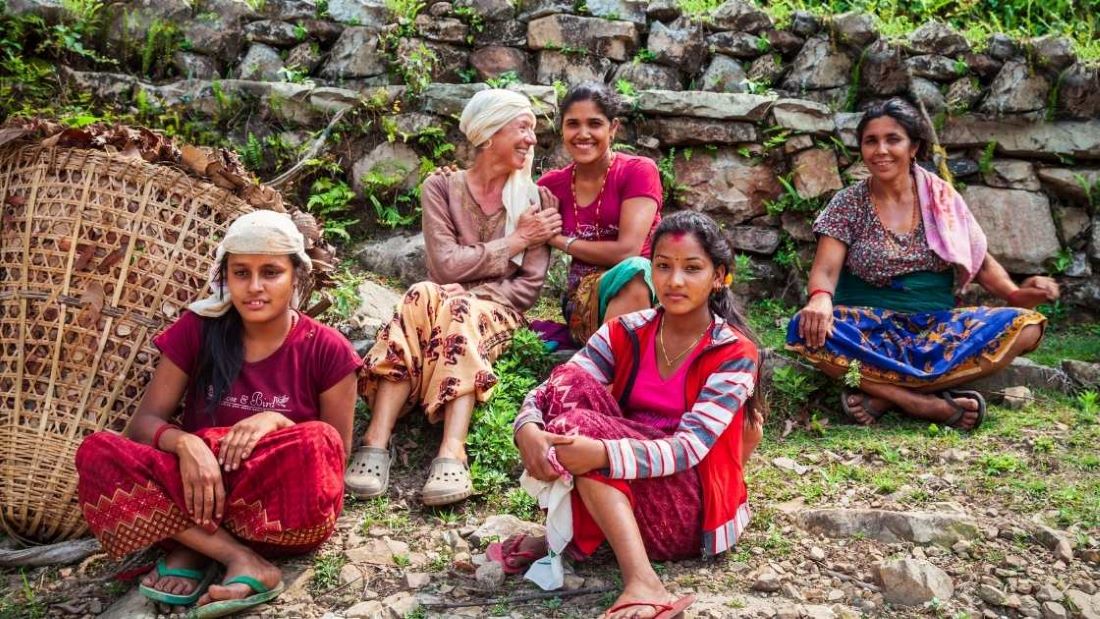
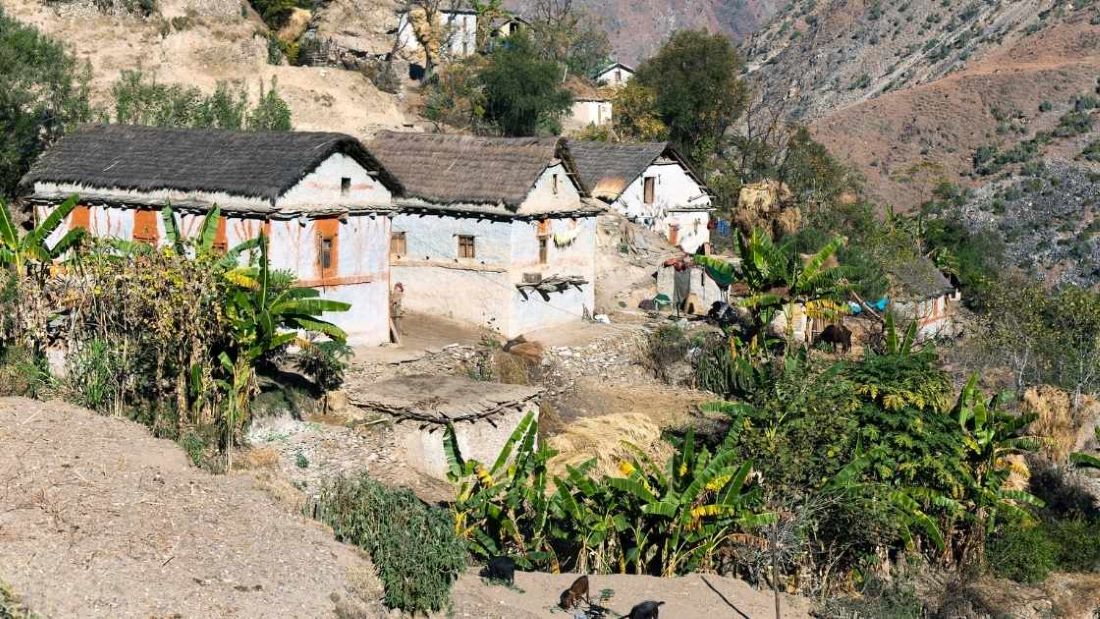
The first few days took us through villages like Chere Chaur and Chala Chaur. These aren’t places designed for tourists. You walk through real life. Terraced fields. Wooden houses. Children running beside you with shy smiles. Most people don’t speak English, but the kindness is clear. You wave, they smile, and you keep moving.
The trail itself was a mix of pine forests, open meadows, and rocky paths. Sometimes you’d be in the trees for hours, with just the crunch of your boots on dry leaves. Other times, you’d be walking above rivers with wide views of green valleys. Every day felt different, not just in the scenery, but in how it made you feel. Some days felt long. Some went by in a flash.
Sinja Valley was one of those places that quietly amazes you. It’s not flashy. It’s not big. But it feels important. Local legends claim that the Nepali language originated here. You’ll find ancient stone temples, old inscriptions, and crumbling buildings hidden in the valley. You can feel the history, even if you don’t fully understand it. That day, we walked slowly, stopping to look at carvings and listen to the wind moving through broken walls. It didn’t feel like a tourist site. It felt like a place that had been left alone.
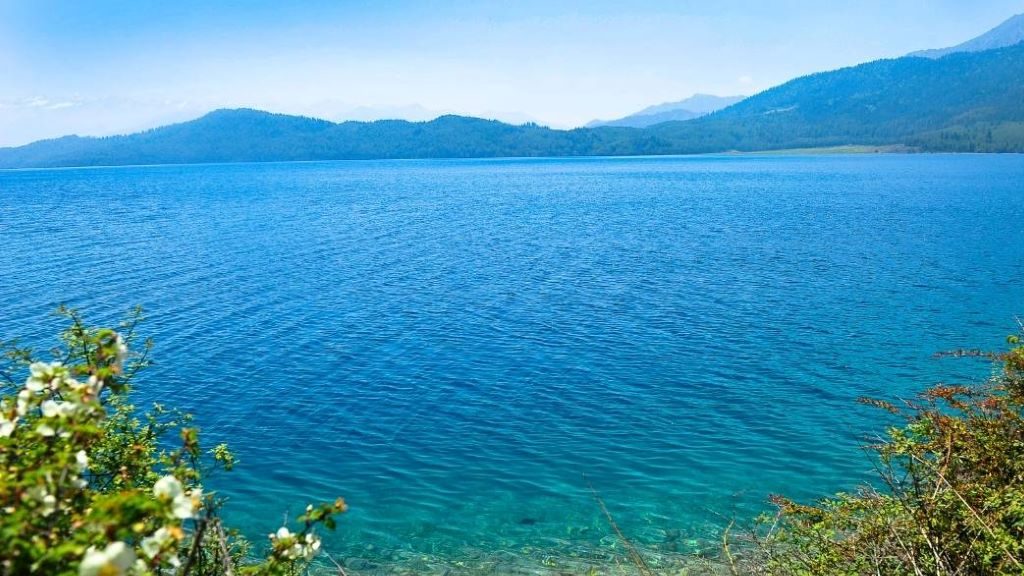
We entered Rara National Park. The forest got denser. The air felt fresher. And then, the lake appeared. At first, it was just a flash of blue through the trees. Then the trail opened, and suddenly you’re standing in front of the biggest lake in Nepal. It’s massive, still, cold, deep, and surrounded by forests and faraway white peaks. It didn’t look real at first. I stood there for a few minutes before I even took out my camera.
We stayed near the lake for two nights. You could easily stay longer. One day, we walked along the edge. No one else is around. Just water, trees, and the sound of birds overhead. I dipped my hands into the lake. Freezing. Clear. You could see stones at the bottom, even meters out.
The next morning, we hiked up to Murma Top. It’s not an easy climb, but it’s not too hard either. It took us about two and a half hours. The view from the top was the best of the entire trek. You can see the full outline of Rara Lake, almost like a painting. Mountains stack up behind it, layer after layer. Hills roll away on every side. I didn’t talk much up there. None of us did. We just sat, watched, and let it all sink in.
Coming down, I remember thinking, I haven’t checked my phone in days. No emails. No messages. No internet. And I didn’t miss any of it.
The teahouses along the trail were basic. Beds with thin mattresses. Shared toilets. Wood stoves are burning in the evening. No menus, just dal bhat, noodles, and potatoes. But after walking all day, that food tasted better than anything fancy. The hosts were generous and always made sure we were warm and fed.
The trail was quiet the entire way. We saw maybe one or two other trekking groups the whole time. Most days, it was just us, the guide, and the trail. If you’re used to crowded routes like Everest or Annapurna, Rara feels completely different. You get space. You get silence.
The trek itself isn’t very difficult. You don’t go extremely high; Mount Murma Top is around 3,500 meters. The lake sits at just under 3,000. Still, you need to walk for five to seven hours a day. There are no luxury lodges or backup options. You need to be okay with basic comfort, long walks, and being off-grid. But that’s the beauty of it.
This trek gave me time to slow down. To think. To notice things. A leaf is fluttering. A kid is laughing. The way the light hits the water in the evening. It reminded me why I fell in love with trekking in the first place.
I’ve done bigger treks, longer treks, and more popular treks. But Rara was something else. Not better. Just quieter. Simpler. And maybe that’s exactly what I needed.
The way back from Rara isn’t just retracing your steps. It’s a whole new chapter. You loop around through small villages like Pina and Bumra. Different paths. Different views. Different stories. You start seeing the lake from new angles as you leave it behind, and for a while, you keep turning back just for one last look. Then it disappears behind the hills, and it’s just you and the trail again.
The return route is more remote, if that’s even possible. Fewer people. Narrower trails. More wilderness. Some nights we stayed in tiny tea houses run by families who looked genuinely surprised to see trekkers. Other nights? No lodge in sight. We pitched tents near rivers or on open fields. Nothing fancy, just a sleeping bag, the stars, and the sound of the wind moving through pine trees.
In total, the whole trip takes about 10 to 12 days, depending on your pace. If you like to blast through treks, maybe less. But I took my time. I stopped often, sometimes to take a photo, sometimes to chat with locals, and just to sit. You don’t need to rush here. Rara teaches you to slow down.
Don’t underestimate the trail just because it doesn’t hit extreme altitudes. Sure, you’re not crossing 5,000-meter passes, but the climbs still burn. Long days. Uneven trails. And the kind of uphills that make your knees wonder what they ever did to deserve this. You earn your views, that’s for sure.
The region is raw. No guesthouse menus with 20 items. No hot showers. Just basic meals like dal bhat, sometimes local greens, and maybe some dried yak meat if you’re lucky. In some places, it’s just a cup of tea and a smile. And weirdly, that’s more than enough. You don’t need much when the landscape does all the talking.
The people in these hills are warm and grounded. You meet Chhetris and Thakuris mostly, along with people with Tibetan heritage. Everyone works hard, farming, tending livestock, and carrying heavy loads over steep ridges. Kids walk hours to school. Life isn’t easy here, but there’s a rhythm to it that feels steady and real.
We stumbled into a village celebration, drums, dancing, traditional clothes, everything. It wasn’t a show. It wasn’t for tourists. It was just their life, and we got a window into it. We sat down, shared food, and clapped along with the rhythm, not understanding the language but feeling every beat.
That’s what this trek gives you: connection. You’re not part of a crowd shuffling through checkpoints. You’re a guest, moving slowly through someone else’s world. And if you take the time to listen, it talks back.
Choosing when to go makes a huge difference. Spring, from March to June, is beautiful. Warm days, wildflowers, clear skies. Autumn, September to November, is even better if you want crisp air and postcard views. I went in late October, and it was near perfect. The mornings were chilly but fresh, the skies deep blue, and every sunset painted the hills in gold.
Winter? Unless you’re into snow camping and carrying extra gear, it’s tough. Trails can get buried, lodges close down, and some sections become completely impassable. The monsoon is worse. Trails turn to mud, leeches show up, and views disappear behind clouds. If you’re planning this trek, aim for the shoulder seasons. They’re just right.
And here’s a piece of advice I didn’t take seriously at first: don’t go without a guide. Sure, you could try to wing it, but why? Trails aren’t always marked. Villages are far apart. A good local guide not only keeps you on track but also gets you meals and places to sleep in villages that wouldn’t normally host strangers. Mine even taught me local phrases and pointed out plants I would’ve walked right past.
Rara Lake Trek doesn’t come with high-altitude bragging rights or flashy lodges, but it gives you something else: space. Space to walk without rushing. Space to sit without checking your phone. Space to be a part of something, instead of just observing it.
By the time I got back to Jumla, I felt different. Not changed in a big, dramatic way. Just clearer. Lighter. Like I’d been walking not just through a remote part of Nepal, but also through a quieter part of myself.

Alright, if you’re here to just tick off another “Top 10 Places to Visit in Nepal” list, this isn’t for you. But if you want the real Nepal, the kind that doesn’t come with WiFi, smoothie bowls, or endless Instagram reels, listen up. Rara Lake Trek is where you find that.
It all starts with the remoteness. You don’t just end up in Rara. First, you fly or grind it out by bus or jeep to Jumla, deep in Karnali Province, one of Nepal’s most overlooked and underappreciated corners. This isn’t Pokhara. This isn’t Lukla. This is somewhere far rawer. Roads are rough, trails are quiet, and people still look up when a stranger walks through their village.
And then there’s the lake itself. Rara. 2,990 meters above sea level, and the biggest lake in Nepal. It’s the kind of place that stops you in your tracks, its deep blue waters changing shades as the sun moves, with pine-covered ridges and snow-dusted peaks watching over from all sides. You stand there, and you realize: this isn’t some background scene for a trekker group selfie. It’s the main event.
The best part? It’s quiet. Like, eerily quiet. Not Everest Base Camp “quiet,” which just means hearing 20 different languages as people stomp by. No, I mean actual silence. You’ll walk for hours through forests and along ridges with nothing but your boots and the breeze for company. No rush, no crowd, no pressure. Just space to breathe, think, and feel where you are.
The culture? It’s real here. You’re passing through villages where traditions are still alive, not because they’ve been turned into tourist performances, but because people still live that way. Thakuri and Chhetri families offer you tea, ask where you’re from, and maybe share a meal if you’re lucky. It’s not staged. It’s just hospitality, the way it’s always been.
Rara National Park is no joke either. This isn’t some fenced-off zone where you might glimpse a monkey. We’re talking red pandas, Himalayan black bears, musk deer, and more than 200 species of birds. You might not even be looking for wildlife, and bam, there’s a barking deer right off the trail.
And here’s something people never tell you: the trek is wild, but it won’t kill you. It’s tough, with long days and steep climbs, and you’ll feel it in your legs. But you’re not gasping for air every five steps like you might at 5,000 meters. At around 3,000, you get all the views without the headaches.
Rara Lake Trek is a total jackpot for anyone who wants the wild Nepal experience minus the tourist stampede. The lake’s unreal, the forests are spooky-quiet, and village life, there’s nothing fake about it. If you want to say you’ve seen the real deal and not just ticked another box, this is your trail. Hidden gem? Yeah, that’s not just a travel brochure line this time.
Rara Lake – Nepal’s Biggest Hidden Jewel
At the heart of this journey lies Rara Lake, the largest and arguably most surreal alpine lake in Nepal. Sitting at an altitude of about 2,990 meters, it looks like something ripped out of a dream. Crystal-clear waters that mirror the sky, thick forests wrapped around the edges, and snow-dusted peaks standing guard in the background, it’s pure magic. Whether you catch the sunrise melting over the water or a quiet sunset painting everything gold, this place stops time. Just standing on its shores, you’ll wonder how something this beautiful could stay so hidden.
Rara Lake rests inside the smallest national park in Nepal, but don’t let “small” fool you. Rara National Park punches way above its weight when it comes to biodiversity. Picture trekking through pine and fir forests, hearing the rustle of musk deer, spotting a Himalayan black bear in the distance, or glimpsing the flash of a red panda high in the branches. And for the bird lovers, over 200 species call this forest home, including the brilliantly plumed Himalayan monal. It’s a wild green paradise, buzzing with life if you just pause and listen.
Got a little energy left in the tank? The climb to Murma Top (3,800 meters) is worth every step. From the summit, you get this insane panoramic view of Rara Lake below you like a sapphire in a sea of green, the vast Rara Valley stretching out endlessly, and in the distance, the mighty peaks of Saipal and Api Himal slicing into the sky. Up here, the wind sings, the world feels big, and you realize just how small and lucky you are to witness it.
The trail takes you through Sinja Valley, a place that whispers stories from the 12th century. This is believed to be the cradle of the Nepali language, back when the Khas Malla kings ruled these hills. You’ll walk past centuries-old temples, ancient stone inscriptions, and crumbling ruins that still hold echoes of royal footsteps. For history buffs, it’s a goldmine. For everyone else, it’s just flat-out cool to be in a place where history isn’t in a museum but under your boots.
Unlike Everest or Annapurna, where the trails can feel like highways, Rara is refreshingly empty. Out in Karnali Province, one of Nepal’s most remote regions, it’s just you, your crew, and nature. Some days, you won’t pass another trekker. It’s not just peaceful; it’s personal. You’re not following the crowd; you’re writing your own story.
This trek takes you through villages where time ticks differently, places like Jumla, Murma, Sinja, and Pina. The locals? Mostly Chhetri, Thakuri, and Tibetan-influenced Buddhist communities. Life revolves around farming, herding, and age-old traditions. Kids wave, elders share stories, and sometimes, you get pulled into a festival you didn’t even know was happening. You’re not just passing by; you’re being invited in. The hospitality out here is something else; tea, dal bhat, and a seat by the fire are never far.
One of the best parts of this trek? It never gets dull. One day you’re weaving through pine forests thick with birdsong, the next you’re out on a sunlit meadow or climbing a ridge with the world spread out below you. You’ll cross rivers, hike hills, walk through tiny villages, and camp near lakes. It’s like Nepal is showing you a different face every morning.
Come in spring (March–June), and the forest throws a party; rhododendrons burst into red, pink, and purple flames across the hillsides. The air smells fresh, the trails are dry, and every step feels alive. In autumn (September–November), it’s a different story of clear skies, crisp air, and mountain views so sharp they look like they’ve been cut out with a knife. Whether you want flowers or peaks, Rara’s got your back.
Accommodation here is basic; think humble teahouses and welcoming family homes. It’s not luxury, and that’s the point. Some trekkers skip even that and pitch a tent by the lake. Imagine sleeping under a sky full of stars, hearing nothing but wind and water. No distractions. Just nature. You’re not staying in a hotel; you’re part of the landscape, even if just for a little while.
The trip kicks off with a flight to Nepalgunj, followed by a wild ride or a flight to Jumla. That Jumla landing? Unforgettable. Tiny airstrip, rolling hills, the real deal. From the moment you touch down, the feeling hits you: you’re not in tourist Nepal anymore. You’re in for something rare, raw, and real.
You hate herds of tourists and cheesy Instagram hotspots? Rara is your jam. Seriously, this place feels like you stumbled into your own National Geographic episode. No crowds, just you, wild air, and maybe that one yak judging your hiking pace.
If you’re the type who can spot a bird before anyone else even hears it, or you get hyped about rare plants and animals, this park’s your playground. We’re talking musk deer, red pandas, and Himalayan black bears just doing their thing. Oh, and birdwatchers? Don’t forget binoculars.
The lake looks unreal. Bright blue water, huge mountains mirrored on the surface, rhododendrons popping off in spring. Every five steps, you’ll want to snap a photo or bust out your paints. It’s landscape porn.
Sick of city noise, endless notifications, and “urgent” emails? Welcome to nowhere. Out here, it’s just you, the breeze, and maybe your thoughts for once. Great spot if you’re chasing a digital detox, meditation time, or just want to zone out on a lakeshore.
If you care about the people and places you visit, Rara’s got stories. You’ll run into villages that haven’t changed much in centuries and stumble across old ruins in Sinja Valley. It’s not some staged tourist thing; it’s the real deal.
Not a pro climber? No problem. The trails around Rara aren’t Everest-hard. If you’re reasonably fit and up for some hills, you’re golden. Big mountain vibes, minus the oxygen tank drama.
Want to go it alone and not get lost in a crowd? Or maybe you and your two best friends want a legit adventure without a flock of strangers tagging along? Rara delivers. It’s remote enough to ditch the masses but not so wild you’ll have to fight off wolves (well, probably).
Already knocked out Annapurna or Everest? Bored with the classics? Here’s your next flex. Less hype, more heart. You’ll leave with stories nobody else at the hostel can one-up.
Let me tell you, this trek is not about comfort or fancy stuff. It’s about raw, real Nepal. Here’s what I found along the way and what you should expect.
Most villages along the trail, Jumla, Sinja, Chere Chaur, Murma, Pina, have small family-run teahouses or homestays. The rooms are basic. Think simple wooden beds with thin mattresses. Sometimes the blankets feel like they’ve been through a lot. Bathrooms? Usually shared and mostly squat toilets are outside. Don’t expect much privacy or luxury.
On some days, especially when the trail gets quiet and the teahouses are full or far apart, you might have to camp. I brought my tent and sleeping bag because I knew I couldn’t rely on a warm room every night. And trust me, pack a sleeping bag; you never know when nights can get cold, and heating isn’t a thing here.
You’ll get plenty of dal bhat (rice, lentils, and vegetables). It’s the staple, and it’ll keep you fueled. Other common meals include boiled potatoes, eggs, plain noodles, or bread. Don’t expect big menus or fancy dishes like in the Everest or Annapurna regions.
One thing I learned the hard way: after leaving Jumla, shops get rare. So, stash some nuts, chocolate, or energy bars in your bag before you leave town. Trust me, they’re lifesavers during long days.
Toilets are mostly squat and outside, sometimes a simple western seat if you’re lucky. Bring your own toilet paper and hand sanitizer. Showers? Hot water is rare; maybe once or twice during the whole trek you’ll find a lukewarm bucket shower. In colder months, most trekkers just skip bathing altogether. I won’t lie, it’s a bit rough, but that’s part of the experience.
Electricity is hit or miss. Some lodges use solar panels or small hydro setups, but it’s not reliable everywhere. If you want to charge your phone or camera, be ready to pay extra, and don’t count on it every day. Places like Jumla and Murma have a better chance of offering charging, but even then, power cuts happen. I carried a power bank and a small solar charger just to be safe.
The mobile signal is patchy. NTC works better than Ncell in most parts, but expect to lose coverage often. Forget about Wi-Fi; it’s nonexistent. You’re going full offline here. If you have an emergency, some guides carry satellite phones, but otherwise, you’re unplugged. Plan accordingly and enjoy the digital detox.
There are only small health posts in places like Jumla and Sinja with minimal supplies. If you need anything serious, a helicopter evacuation is your only option. Make sure your insurance covers emergency evacuation. Also, bring a solid first-aid kit with medicines for altitude sickness, pain relief, stomach issues, and basic wound care.
I can’t stress this enough: go with a local guide. The trails are not well-marked and can be confusing. A guide knows the shortcuts and the best teahouses and can help solve problems if something goes wrong. Porters are helpful too, especially if you want to carry less weight. Local guides from Karnali bring stories, know the culture, and make the trek richer.
Small shops with snacks and basics are only in towns like Jumla. Beyond that, forget about buying gear or food along the way. Bring everything you need: warm clothes, rain gear, a headlamp, chargers, and a sleeping bag from Kathmandu or Pokhara before you leave.
You need a Rara National Park entry permit and a TIMS card to trek here. Usually, your guide or trekking agency will arrange these for you before or at the start of the trek.
The locals are friendly, and crime is almost unheard of here. Just use common sense, like anywhere, respect the culture, keep your belongings close, and stay on the trail.
If you’re used to luxury lodges, hot showers, and full menus, this isn’t the trek for you. But if you’re okay with basic living, want to unplug, and crave views and culture untouched by mass tourism, you’ll love Rara. It’s raw. It’s simple. And it’s unforgettable.

It’s located in northwest Nepal, in the Karnali region’s Mugu District. You’ll find it inside Rara National Park, sitting just below 3,000 meters. Don’t expect it to pop up on every map app; it’s off the beaten track in every sense.
Count on about 10 to 12 days. That depends on how fast you hike and whether you catch flights or grind it out overland. I took my time, soaking in the villages and views, and it felt just right.
Spring and autumn are hands down the best. March to May brings wild rhododendrons bursting into bloom. September to November means crystal-clear skies and epic mountain views. Monsoon season? Expect mud, slippery trails, and leeches. No thanks. Winter’s cold and snowy, and unless you’re hardcore, it’s more regret than reward.
It’s moderate. Not Everest Base Camp level, but don’t let your guard down. The days are long, and you’ll face some steep climbs and descents. I felt it in my legs for sure. You need decent fitness, especially since you’re far from town comforts.
I highly recommend a guide. The trails aren’t always well-marked, and having someone local made a huge difference, not just for navigation but for connecting with the culture. Porters? Only if you pack like you’re moving house. I carried my bag just fine.
Expect basic teahouses and homestays. Some nights, you might camp if there’s nowhere else. Forget hot showers or fancy beds. The warmth comes from the fire and friendly locals.
You’ll need the Rara National Park entry permit plus a TIMS card. If you book through a trekking agency, they usually handle all that.
Most people fly from from Kathmandu to Nepalgunj, then catch a small plane to Jumla to start trekking. The overland route exists, but it’s slow and bumpy and takes days.
Almost none. Occasionally, I caught a bar or two of signal in some villages, but don’t expect to stream anything or stay connected. This is a true digital detox.
Since the lake’s under 3,000 meters, it’s less of an issue than some treks. But the trail climbs above 3,700 meters at times, so take it easy, drink plenty of water, and listen to your body.
If you’re reasonably fit and have a guide, yes. But remember it’s remote. No easy escape routes if you want to quit halfway.
Warm layers, waterproof jacket, good trekking boots, headlamp, power bank, first-aid kit, water purifier, and snacks for the trail. A sleeping bag is handy if you camp or aren’t sure about the teahouse quality.
Very. Locals are friendly and welcoming; crime is rare. Still, a guide is a smart move for unexpected situations.
Simple fare: dal bhat, noodles, potatoes, and eggs. The menu’s not long. If you’re picky or get hangry, bring your snacks.
Rara Lake Trek doesn’t have the crowds or the hype of Everest or Annapurna. And that’s exactly why it grabbed me.
You’re not walking past a sea of selfie sticks or waiting in line for a mountain view. Instead, you wander through thick forests, past villages where life hasn’t changed much in decades, and finally arrive at this jaw-dropping lake with water so blue it looks unreal.
It’s quiet, like really quiet. There were stretches when I could hear my breath and nothing else. The locals don’t treat you like a tourist. They just share their home, their food, and their stories.
The trek’s not a walk in the park. You’ll feel your legs, and some days you’ll be glad for your guide’s steady pace. But the reward? That still lake framed by snowy peaks. The wildflowers in the meadows. The nights under stars so bright they look close enough to touch.
If you want crowds, go to Everest or Annapurna. But if you want to unplug, slow down, and experience Nepal, Rara’s your ticket. It’s not for the faint-hearted, but it’s for anyone who wants a story worth telling.
So, pack your bag, leave your notifications behind, and see what it’s like to find a place that feels like it’s been waiting just for you. Rara Lake isn’t just a trek. It’s a chance to walk off the map and come back with a different kind of memory.
 25+ years of trusted experience Local experts with personal care Safe, budget-friendly & customized treks Real stories, real people, real mountains
 DM us now for your dream Himalayan journey!