
Nepal is famous as the gateway to the world’s highest mountains, including Mount Everest and Annapurna. Each year, hundreds of thousands of trekkers, climbers, and adventure lovers come to explore the Himalayas. For decades, Nepal has marketed itself as one of the safest and friendliest trekking destinations in Asia.
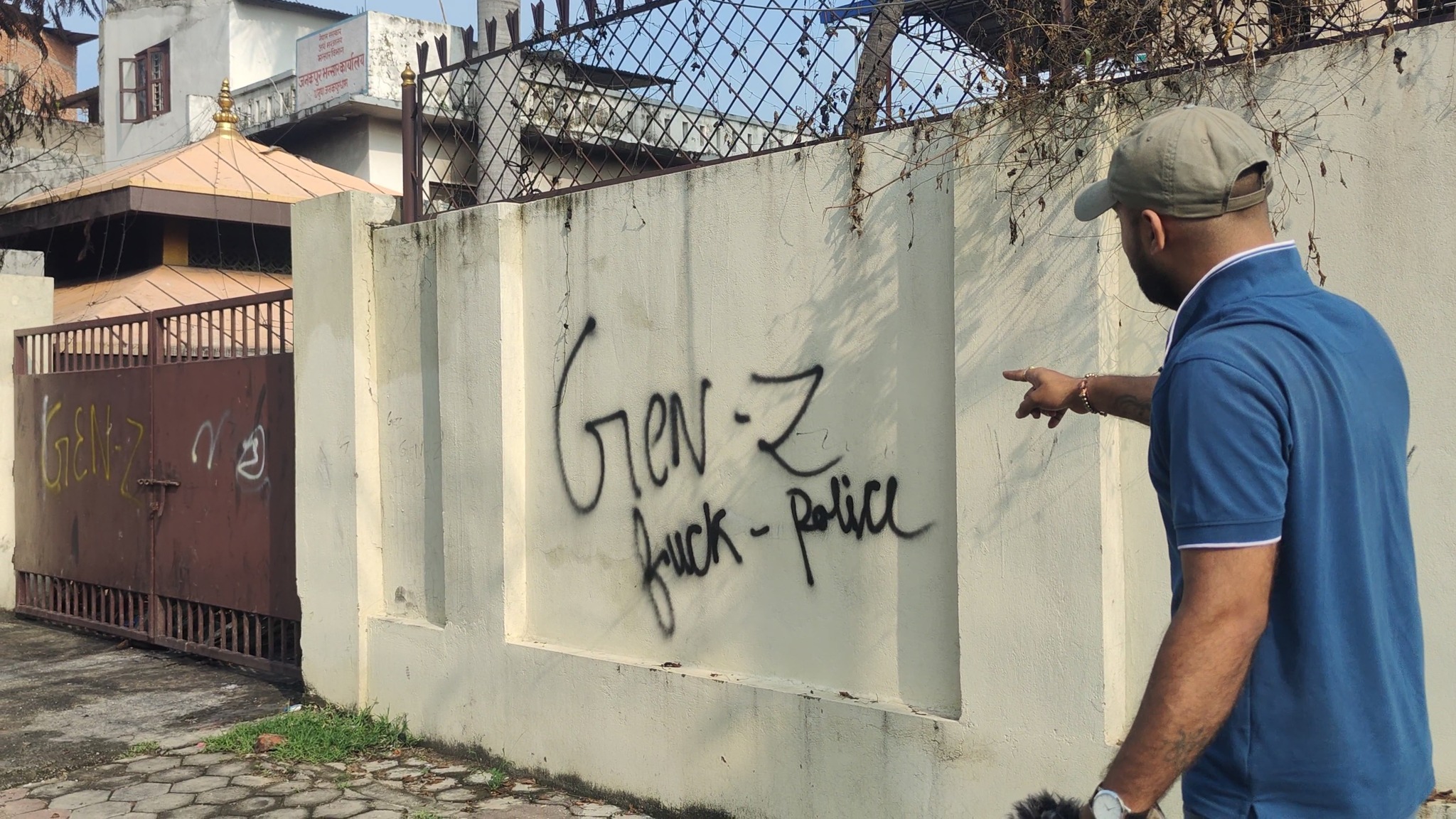
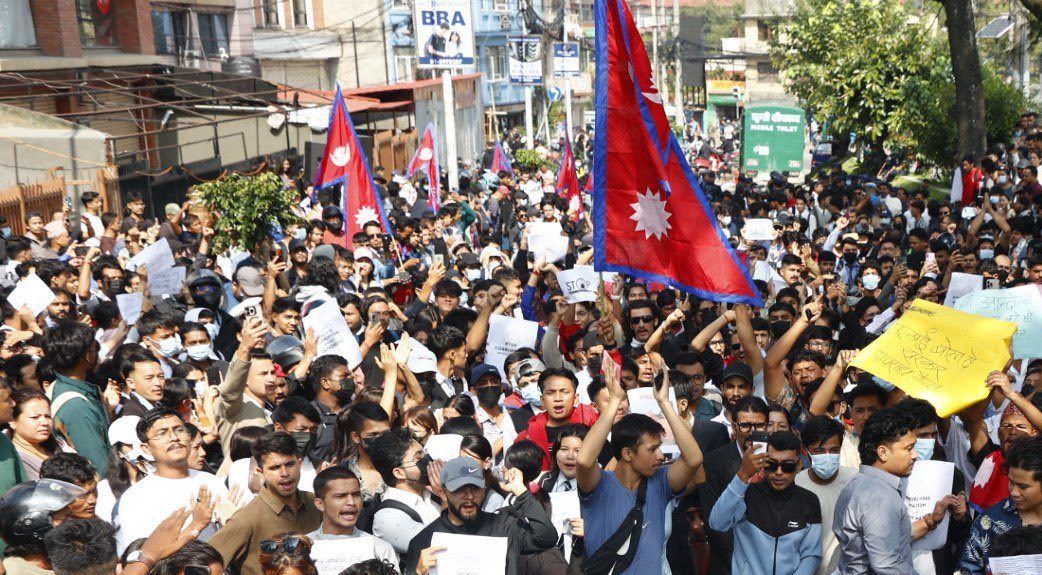
However, in September 2025, the country was shaken by youth-led protests, sometimes referred to as the Gen Z movement, triggered by government restrictions on social media and fueled by broader frustrations. The demonstrations turned violent, leading to dozens of deaths, hundreds of injuries, property damage, and the resignation of the Prime Minister.
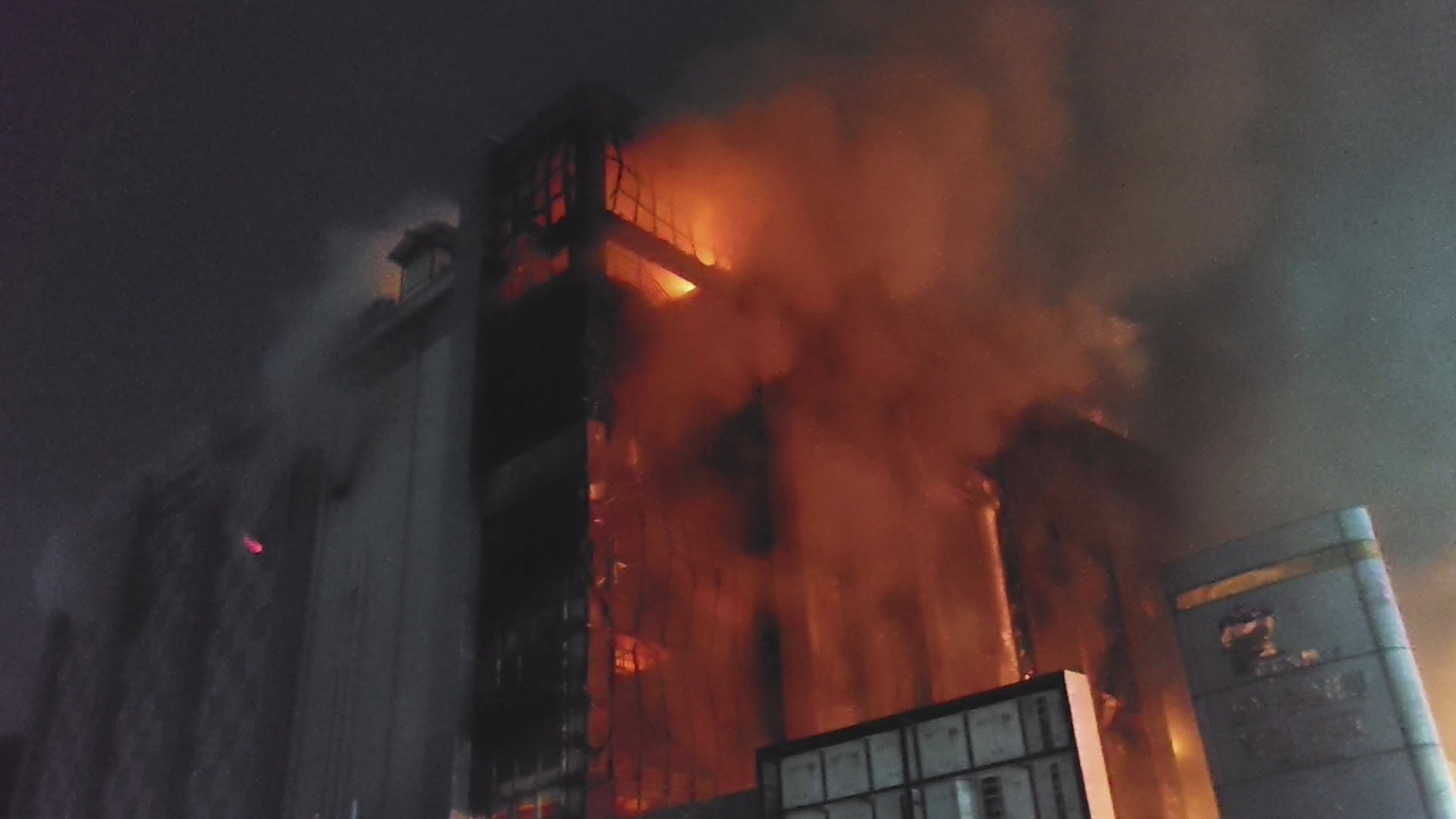
In early September 2025, widespread youth-led protests broke out across Nepal after the government ordered the shutdown or stricter regulation of multiple social-media platforms. Tensions escalated rapidly: large demonstrations on 8–9 September 2025 turned violent in several places, and there were fires, attacks on government buildings and clashes with security forces.
The unrest led to a political shakeup, the prime minister resigned, and an interim government was appointed. The nationwide toll of the violence has been reported in the dozens, with hundreds to thousands injured, and government statements and international media coverage confirm that the protests were intense and damaging.
Nepal has faced instability before, yet trekking tourism has always bounced back:
History shows that while Nepal does face crises, the Himalayas remain peaceful, and tourism has always rebounded quickly.
Short-term disruption: The protests caused flight cancellations, road blockages, and localised closures in Kathmandu and some urban centres. Airlines and some embassies issued travel advisories urging reconsideration of non-essential travel.
Tourism impact: Nepal’s tourism industry, a major employer and source of income, was immediately affected. Arrivals fell substantially in the immediate aftermath. That said, many tourism businesses and trekking operators are eager to resume normal operations and have local plans in place for guest safety.
Evolving security environment: The situation moved quickly from mass demonstrations to a period of army deployments, arrests, and political transition. That means the security picture can change day-to-day; it’s essential to check official advisories before travel and to read local news while in the country.
A key point for trekkers: the big difference is between urban Kathmandu (and some border/transport hubs) and the high-altitude trekking regions.
Kathmandu & the Valley: This is where most protests and much of the property damage occurred. Demonstrations, road disruptions, and temporary closures of government offices and some hotels were reported. If you must transit through Kathmandu, plan for potential delays and avoid demonstrations.
Tribhuvan International Airport (TIA): The airport experienced disruption around the peak of the unrest (some flights were cancelled or delayed), but according to reports, it was not permanently closed, and commercial flights resumed after initial disruptions. Still, flight status can change, and you must confirm your flight directly with the airline.
Trekking trails (Everest, Annapurna, Langtang, etc.): Generally less affected by the protests. Treks take place in rural mountain regions where protests are uncommon; many lodges, guides and teahouses have continued to operate. That said, the situation in Kathmandu can affect the start and end of a trek (flights to Lukla, bus services, supplies), so allow flexibility. Local operators have reported travellers feeling safe on the trails even as the cities recover.
Check official travel advisories and watch them daily in the week before departure. If your government advises against non-essential travel, follow that guidance and contact your insurer.
Book with a reputable local trekking company, a good operator will:
Trekking regions are largely peaceful. Mountain villages are remote and often insulated from national political unrest; teahouses and guides rely on tourism and typically welcome visitors warmly. Many trekkers who were already on routes reported feeling safe on the trails even during the unrest in the cities.
Expect logistical ripple effects. Supplies, fuel, and transportation (buses, domestic flights) can be affected if incidents block Kathmandu for a day or two. Allow buffer days at the beginning or end of your schedule in Kathmandu, or consider flexibility with your tour operator’s plans.
Avoid political gatherings. If you are in a town or city where demonstrations are active, keep your distance. Don’t photograph police lines, security operations, or crowds, as this can attract attention.
Local guidance, internet rumours. Follow your guide’s advice and local radio/announcements. A local operator has the best real-time picture of trail conditions and the surrounding area.
Respect local sensitivities. Political events can be emotionally charged; avoid social media comments or public conversations about local politics while in the country. This is both respectful and safer.
International flights to Kathmandu: Check your airline status and also the airline’s cancellation and waiver policies. After the unrest, airlines issued cancellations and then resumed service; this pattern can repeat if new demonstrations occur. Always get confirmations in writing.
Domestic flights (e.g., Kathmandu–Lukla): Lukla flights are weather-sensitive even in calm times. In unrest, airlines may reduce schedules if airport security is tight. Confirm with your operator and the domestic carriers.
Trekking permits (TIMS, national park permits, Sagarmatha/Annapurna permits): These are still being issued in normal fashion, but office openings in Kathmandu can be delayed if government facilities are affected. Many operators process permits on your behalf; make sure they confirm issuance and carry copies.
Road travel: Some highways were temporarily blocked during the protests. If your itinerary includes long road journeys (Pokhara road, Jiri/Lukla overland segments), ask your operator for the current road status.
Banking & cash: Cash shortages can happen if banks experience disruptions. Keep a contingency amount of local cash and ask your hotel to accept card payment when possible. Reports noted ATMs and banks in the city were impacted during the unrest.
Travel insurance: Must include medical, helicopter rescue/evacuation, and coverage for trip cancellation/curtailment due to civil unrest. Read the policy’s definition of “civil unrest” and ask whether evacuations from mountain regions are included. If necessary, purchase an upgrade or a specialist Himalayan rescue add-on.
Medical kit: Altitude sickness meds (acetazolamide if prescribed), basic first aid, antibiotics (if advised by a doctor), wound care, diarrhoea remedies, blister care, and personal prescriptions. Travellers with serious medical conditions should consider the risks of visiting during unstable times, especially if evacuation plans are not well-established.
Helicopter evacuation capacity: Nepal has helicopter operators and private medical evac services. During periods of unrest, demand can spike and prices rise; ensure your insurer/agent can authorise a helicopter if needed. Many operators require written confirmation from insurers before dispatch.
Local hospitals: Kathmandu has better medical facilities than mountain towns. If your trek goes into high, remote zones, you must rely on evacuation for serious incidents. Request from your operator a list of the nearest medical facilities and medevac contacts.
COVID / communicable disease update: At the time of writing, the biggest immediate risk is unrest, not COVID, but standard precautions for respiratory illnesses and good hygiene remain sensible.
A: Many operators continued to run treks in the mountains because those areas were not the focus of unrest. However, some departures were postponed due to airport or road disruptions in Kathmandu. Contact your operator and your airline for the latest status.
A: It depends on your policy. Some policies have “cancel for any reason” (CFAR) options; most standard policies have clauses around civil unrest. Check the policy wording and speak directly to your insurer to get confirmation in writing. If you booked through an operator, ask about their cancellation policy and whether they offer refunds or credit vouchers.
A: Solo trekking is inherently riskier at any time because you don’t have the immediate assistance of partners or an operator. During civil unrest, the main added risk is transit disruption before and after the trek. If you must travel, book with a licensed guide or operator and ensure emergency contact plans are in place.
A: Most international carriers resumed flights after initial cancellations, but schedules may be volatile. Confirm with your airline and monitor advisories.
A: The protests were largely directed at government institutions and political leaders. Foreign tourists were not the primary target; however, large protests can be unpredictable and dangerous, so avoid them. Always follow local guidance.
Yes, with caution. The mountain trails themselves are largely safe, and many guides and teahouses remain operational. The primary risks to trekking plans are logistical disruptions (flight cancellations, roadblocks in Kathmandu, ATM/banking issues), and the possibility of renewed unrest in urban centres.
 25+ years of trusted experience Local experts with personal care Safe, budget-friendly & customized treks Real stories, real people, real mountains
 DM us now for your dream Himalayan journey!