
Updated July 31, 2026, based on the latest reporting available. Will update as more comes in.
Nims Purja Missing After Avalanche Hits Broad Peak
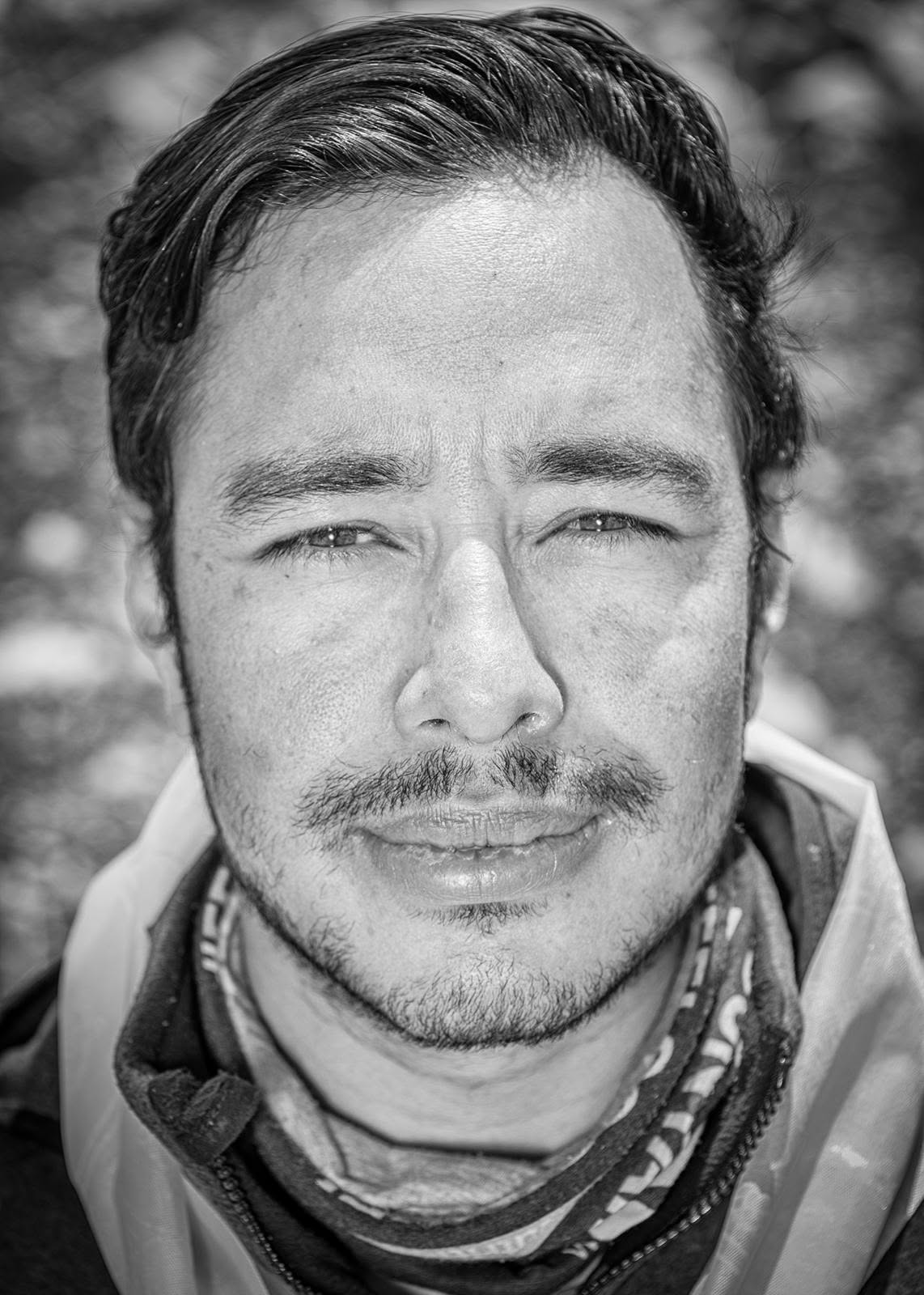
Nirmal “Nims” Purja and nine other climbers haven’t been heard from since an avalanche tore across their route up Broad Peak in Pakistan on Thursday, July 30. Rescue teams are trying to get to them now, but as of Friday, July 31, nobody has confirmed any deaths. The mountaineering world is in that awful holding pattern where all you can do is wait for a helicopter to reach a spot most people will never see with their own eyes.
Where this happened
Broad Peak sits in the Karakoram range, close to the Pakistan-China border and just a stone’s throw (in Himalayan terms) from K2, the second-highest mountain on Earth. At 8,047 meters, it’s the world’s twelfth-highest peak, and it shares weather systems with K2, which is part of why trouble on one often means trouble on the other. The Karakoram isn’t like the Everest region. It’s more remote, harder to reach, and rescue helicopters don’t have the same margin for error that they do in Nepal. When something goes wrong up there, the response time is brutal even under ideal conditions.
What actually happened
The avalanche hit sometime around midday on Thursday, some reports say closer to 9 a.m., others put it nearer noon, sweeping across the upper mountain while ten climbers were pushing for the summit. The whole team dropped off the radar at once. The Alpine Club of Pakistan confirmed the loss of contact in a statement, and tracking data from the climbers’ devices reportedly showed a sudden, steep drop in elevation, exactly the kind of signal you’d expect from someone caught and carried by a slide. Purja’s own tracker reportedly showed him falling almost 1,000 vertical meters off the planned route.
Here’s the detail that’s been gnawing at people following this story: nobody at base camp sounded the alarm until close to 10 p.m. that night, roughly 13 hours after the avalanche struck. Naila Kiani of the Alpine Club of Pakistan told ExplorersWeb the delay left everyone stunned. That’s most of a daylight window lost, hours during which a helicopter might have actually had a shot at reaching the site before dark. Nobody’s fully explained yet why it took that long.
Who was on the mountain
Purja was leading the group under his own outfit, Elite Exped. The team included:
- Nirmal “Nims” Purja, expedition leader
- Four other Nepali climbers and guides
- Sohail Sakhi, a Pakistani guide from Hunza, along with his American client, Mallory Geiss
- An Omani climber
- A Chinese climber
- One more international climber whose identity hasn’t been released yet
Two other teams were also on Broad Peak that same day, one from Imagine Nepal, one from Seven Summit Treks, but Purja’s team is the one that’s confirmed missing.
Who is Nims Dai (Nirmal Purja)
 If you don’t follow mountaineering closely, the name might not mean much, but in that world, Purja is about as famous as it gets. He was born in Nepal and later served in the British Army’s Special Boat Service, one of the UK’s elite special forces units, before turning to high-altitude climbing full time.
In 2019, he pulled off something that seemed almost made up: he climbed all fourteen of the world’s 8,000-meter peaks, Everest, K2, Kangchenjunga, all of them, in a little over six months. The previous record for that feat had stood for years, and Purja didn’t just beat it, he obliterated it. Netflix picked up the story and turned it into a documentary, 14 Peaks: Nothing Is Impossible, which is what carried his name well beyond the small, tight-knit climbing community and into mainstream recognition.
He didn’t stop there. In May of this year, he climbed from the summit of Everest straight over to Lhotse without bottled oxygen, an ambitious traverse that few climbers even attempt. Then, just nine days before this avalanche, he summited Gasherbrum II without oxygen too, his 57th ascent of an 8,000-meter peak. That left only Cho Oyu standing between him and finishing what he calls his “Hat-Trick Project,” an attempt to climb all fourteen 8,000ers three separate times each, on top of completing the Seven Summits three times over.
Outside the climbing itself, Purja runs the Nimsdai Foundation, which funds education and community projects in Nepal, including housing for the porters who carry loads on Everest expeditions, a group that rarely gets the recognition the climbers do. It’s worth noting his career hasn’t been without controversy either; he’s faced allegations of sexual assault during past expeditions, reported by the New York Times, which is part of the fuller picture of who he is, alongside the record-breaking climbs.
Where things stand right now
As of Friday morning:
- No deaths have been confirmed. Officials keep repeating that point, almost like they’re trying to hold the line on hope.
- A rescue helicopter was expected to attempt reaching the site early Friday, but that entirely depends on the weather, which in the Karakoram can shut a rescue down without warning.
- Mingma David Sherpa, who co-founded Elite Exped with Purja, confirmed the incident and said the helicopter attempt was in motion.
- Major General Irfan Arshad, head of the Alpine Club of Pakistan, said the club is working with government agencies to pull together every rescue resource available.
Broad Peak isn’t considered one of the technically hardest 8,000ers, nothing like the sheer walls of K2 or the notorious traverses on Kangchenjunga, but the altitude, the unpredictable weather, and a long history of avalanches have made it dangerous in its own quieter way.
A mountain that’s taken lives before
Broad Peak has a hard history. By 2013, the mountain had already recorded close to twenty deaths, and that single year added five more during a brutal winter season. In 2018, an Icelandic climber died in an avalanche near Camp 2. In 2021, a Russian-American climber died after pushing on alone in bad winter conditions, against the advice of his own teammate. In 2022, a Pakistani climber fell through a weak cornice on the summit ridge, and a Scottish climber vanished near the summit and was later presumed dead.
An Austrian team made the first ascent back in 1957. Ever since, Broad Peak has lived a little in K2’s shadow, less famous, less obviously deadly-looking, which is part of why this avalanche has rattled the climbing world as hard as it has. Nobody expected Broad Peak to be the mountain that takes a team like this.
Hoping for good news
This story is still moving, and people from Kathmandu to Islamabad and everywhere in between are watching for updates. Everyone following this is hoping it turns into a rescue story, not a recovery one.
Thinking of Nims Purja, his team, and their families while the search continues.
FAQs
1. What happened to Nims Purja on Broad Peak?
Nims Purja and nine other climbers went missing after an avalanche struck their route up Broad Peak in Pakistan on July 30, 2026. The team lost all communication right after the avalanche hit.
2. Is Nims Purja dead or alive?
As of the latest update, no deaths have been confirmed. Rescue teams are still trying to reach the site, and officials say the status of the climbers remains unknown.
3. Where is Broad Peak located?
Broad Peak (8,047m) is in Pakistan’s Karakoram range, near the Pakistan-China border and close to K2, the world’s second-highest mountain.
4. Who is Nims Purja?
Nims Purja is a Nepali mountaineer and former British Special Boat Service soldier famous for climbing all 14 of the world’s 8,000-meter peaks in under seven months in 2019, a feat documented in Netflix’s 14 Peaks: Nothing Is Impossible.
5. Who else was on the missing team?
The 10-person team included Purja, four other Nepali climbers, Pakistani guide Sohail Sakhi with American client Mallory Geiss, an Omani climber, a Chinese climber, and one unnamed international climber.
6. Why did it take 13 hours to raise the alarm?
Base camp reportedly didn’t report the loss of contact until around 10 p.m., roughly 13 hours after the avalanche hit around midday. The reason for the delay hasn’t been explained.
7. Has a rescue helicopter reached the climbers?
A helicopter attempt was planned for Friday morning, but it depends heavily on weather conditions in the Karakoram, which can ground rescue efforts without warning.
8. How dangerous is Broad Peak?
Broad Peak isn’t considered one of the technically hardest 8,000-meter peaks, but it has a history of fatal avalanches and has claimed close to 20 lives since records were tracked.
