Nepal is one of the best trekking destinations in the world. Every year, thousands of travellers visit this small Himalayan country to walk among high mountains, green hills, and traditional villages. Nepal offers something for every type of trekker, from short village hikes to long high-altitude adventures. But before planning a trek, one important question always comes first: Which season is best for trekking in Nepal? Is the monsoon trek in Nepal a good idea?
Understanding trekking seasons is very important. Weather changes everything in the mountains. It affects trail conditions, visibility, safety, cost, and overall experience. So, let’s begin by understanding Nepal’s trekking seasons.
1. Spring (March to May)
Spring is one of the most popular trekking seasons. The weather is stable. The skies are mostly clear. Rhododendron forests bloom in red, pink, and white colours. Popular trekking routes like the Everest Base Camp and Annapurna Base Camp are busy during this time. The temperature is moderate. Days are warm at lower altitudes and cool in higher areas. This season is ideal for:
2. Summer / Monsoon (June to September)
This is the rainy season in Nepal. It rains heavily in many parts of the country. Most of the trails become wet and muddy. Sometimes, clouds often cover mountain views. Because of this, many people avoid trekking in the monsoon. However, not all parts of the country receive heavy rain. Some areas, like Upper Mustang and Upper Dolpo, lie in rain-shadow zones and remain relatively dry. This season is quiet and less crowded.
3. Autumn (October to November)
Autumn is also the most popular trekking season in Nepal. The weather is clear. The skies are blue, and the mountain views are sharp and bright. Trails are dry and comfortable. Major trekking regions like:
These regions are full of trekkers from around the world. If you ever want the “perfect postcard” view of the Himalayas, autumn is usually the best choice.
4. Winter (December to February)
Winter trekking is possible, but it can be very cold at high altitude. Snow blocks some high passes. However, lower-altitude treks are still enjoyable. Winter offers:
But temperatures can drop below freezing at night.
When people hear the word “monsoon,” they immediately think:
Because of this image, many trekkers completely ignore this season. Travel agencies also promote spring and autumn more strongly. Most photos you see online show blue skies and snow-covered peaks under perfect weather.
As a result, Monsoon Trekking gets a negative reputation. But here is the truth: Monsoon trekking is not the same everywhere in Nepal. Nepal has different landscapes. Some regions receive heavy rainfall. Others remain mostly dry. High-altitude rain-shadow areas can be excellent trekking choices during the monsoon.
Also, rain does not fall all day, every day. In many places, mornings are clear. Rain usually comes in the afternoon or evening. Another misunderstanding is about mountain views. Yes, clouds can block peaks. But after rainfall, the air becomes very fresh and clean. When the sky opens, the mountains look sharp and beautiful. The hills turn deep green. Waterfalls become powerful. Rivers flow strongly. The countryside feels alive.
For photographers and nature lovers, this season can be magical. Monsoon trekking is different. It requires more preparation. It requires flexibility. But it is not automatically a bad choice.
Now we come to the most important question of this blog: Is monsoon trekking in Nepal worth it? The answer depends on several factors:
If you want perfect weather every day and clear mountain views from sunrise to sunset, the monsoon may disappoint you. But if you are looking for:
Then monsoon trekking can be absolutely worthy for you. It is not about “good” or “bad.” It is about “right for you” or “not right for you.” In this complete guide, we will explore:
This blog will give you a clear and honest answer so you can decide wisely. Now, let us move to the next section and understand exactly what the monsoon weather looks like in different parts of Nepal.
Understanding the monsoon season is very important before planning your trek. Many people hear the word “monsoon” and imagine constant heavy rain every day. But in reality, the situation is more detailed and depends on location and altitude. Let us clearly understand when monsoon happens in Nepal, how the weather behaves, and how it affects different trekking regions.
Months: June to September
Monsoon season in Nepal usually starts in early June and continues until late September. Here is a simple breakdown:
The monsoon begins to move away from Nepal by late September. This is when the autumn trekking season starts. It is important to understand that the monsoon does not arrive suddenly on the same day every year. Sometimes it comes a little early. Sometimes it is slightly delayed.
Also, rainfall is not equal across the whole country. Some areas may receive very heavy rain, while others might remain relatively dry.
Weather Patterns and Rainfall
Nepal’s monsoon rain comes from the Bay of Bengal. Moist air moves north toward the Himalayas. When these clouds hit the mountains, they release heavy rainfall. This is why southern and central Nepal receive more rain.
What Does Monsoon Weather Feel Like?
During monsoon season, you can expect:
In many trekking areas, mornings are often clearer. Clouds build up later in the day. Rain usually falls in the afternoon or at night. This means early morning trekking is often the best choice during the monsoon.
Temperature During Monsoon
Temperature can vary by altitude like this:
Unlike winter, extreme cold is not a major problem during the monsoon. The bigger challenge is rain and slippery trails.
Nepal has many trekking regions, and the monsoon affects each region differently.
1. Everest Region
The Everest Region receives regular rainfall during the monsoon. Some of the challenges include:
However, the landscape becomes very green and fresh. Fewer trekkers in the Monsoon season mean peaceful trails.
2. Annapurna Region
The Annapurna Region gets significant rainfall, especially in the lower sections. Trails to Annapurna Base Camp pass through forests where leeches are common during the monsoon. Waterfalls become very powerful and beautiful. But landslides can sometimes affect roads and lower trails.
3. Langtang Region
The Langtang Valley area also experiences monsoon rainfall. Forested sections become wet and slippery. Mountain views may be hidden by clouds. But like other regions, it becomes green and peaceful with fewer visitors.
4. Rain-Shadow Areas (Best During Monsoon)
Some areas lie behind high mountain ranges. These mountains block monsoon clouds. These places receive very little rain. Some of the best rain shadow areas include:
These regions stay mostly dry even in July and August. The landscape that you can find in these regions is more like a desert. You will see brown hills, deep valleys, ancient caves, and Tibetan-style villages. This is why these regions are considered the best trekking destinations during the monsoon in Nepal.
Important Thing to Remember
Monsoon season does not mean nonstop rain every day across Nepal. It means:
Choosing the right region is the key.
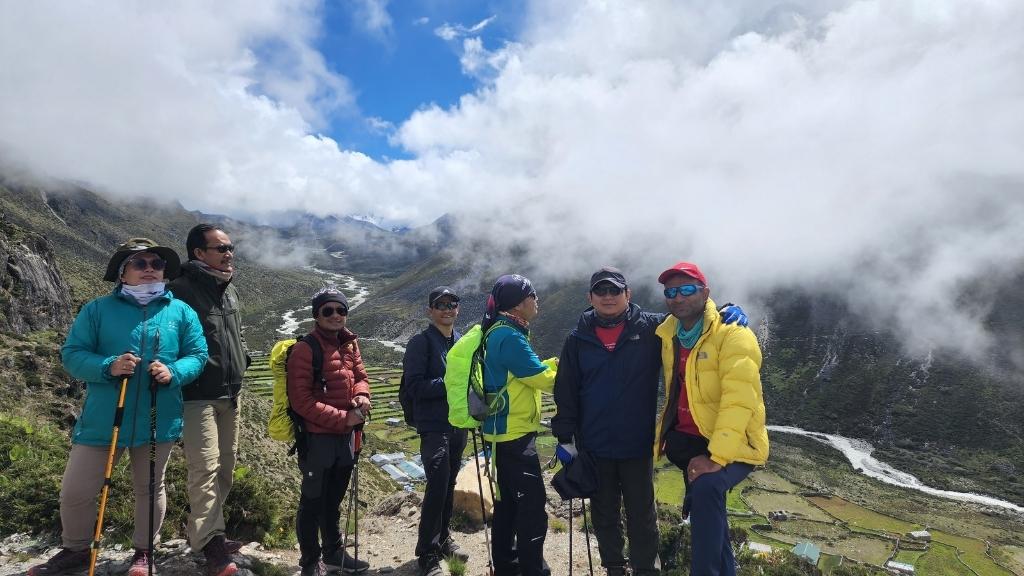
Monsoon trek in Nepal is different from trekking in spring or autumn. It has its own beauty and its own challenges. Some trekkers love this season, and others avoid it completely. Let us look clearly at both sides: the advantages and the disadvantages,s to help you decide.
Fewer Tourists
This is one of the biggest benefits. Popular trails like Everest Base Camp and Annapurna Base Camp can be very crowded during Autumn and Spring. You may see:
But in the monsoon, the situation changes. Trails are quiet. You may walk for hours without meeting many trekkers. Tea houses have empty rooms. Dining halls are peaceful. If you want to enjoy silence, nature, and personal space, monsoon trekking offers you a calm and relaxed experience. For content creators and photographers, fewer people in your photos and videos will be a big advantage.
Green Landscapes
Monsoon transforms Nepal into a green paradise. Hills become deep green. Forests look fresh. Rice fields shine brightly. Waterfalls flow strongly. Lower and mid-hill regions look more alive than in any other season. Even the Annapurna Region and Langtang Valley become extremely lush and beautiful.
This season shows a softer and richer side of the Himalayas for nature lovers. If you want to enjoy landscape photography, monsoon light after rainfall can create dramatic skies and fresh mountain views.
Clear Morning Mountain Views
Many people believe there are no mountain views in the monsoon. This is not completely true. Rain often falls in the afternoon or evening. Early mornings can be clear and peaceful. Dust and pollution disappear after heavy rainfall. Mountain peaks look sharp and clean when clouds move away. Yes, you may not get clear views every day. But when the sky opens, the scenery can be magical. The key is to wake up early and plan your walking hours in the morning.
Lower Prices
Monsoon trekking in Nepal is considered the low season, and this means:
Permits usually cost the same. But overall, your total trekking cost may be lower compared to peak season. This is a big advantage for budget travellers. If you are planning long treks or creating extended travel content, saving money can make a difference for you.
Cultural Festivals
Monsoon is also a time of important Hindu festivals in Nepal. You may experience:
Villages become colourful. Women wear red dresses during Teej. Temples are busy. Local traditions are visible everywhere because there are fewer tourists, and you may experience more authentic cultural moments. If you want to enjoy cultural storytelling for blogs or YouTube, monsoon trekking offers unique local experiences.
Now, let us talk honestly about the challenges. Monsoon trekking is not easy. Preparation is very important.
Heavy Rainfall
The biggest disadvantage is regular rainfall. Some days may have light rain. Other days may have heavy showers. In lower regions, rain can continue for hours. This can affect:
Wet clothes and wet boots can make trekking uncomfortable if you are not well prepared. Waterproof gear is essential.
Slippery Trails
Rain makes trails muddy and slippery. Stone steps might become dangerous. Forest paths can become soft and uneven. That’s why you need:
If you rush over your pace, then falls and small injuries are more common.
Leeches in Forest Areas
Leeches are common in lower forest areas below 3,000 meters. They are active during the monsoon season. Trekking in regions like Langtang Valley and the lower sections of the Annapurna Region may have leeches on wet trails.
They are not dangerous, but many trekkers feel uncomfortable. Wearing long socks and using salt or anti-leech spray may help you.
Landslides in Some Regions
Heavy rainfall can cause landslides, especially in hilly road sections. Road travel to trekking starting points may be delayed. Some lower trails may also be affected. This does not happen everywhere, but it is a risk you must consider. Hiring local guides who understand current conditions is helpful.
Flight Delays
Flights to mountain airports like Lukla (gateway to the Everest Region) are often affected by bad weather. Clouds and rain can reduce visibility. Delays and cancellations are common during the monsoon. This can be stressful if you have a tight travel schedule. That’s why it is always wise to keep 1–2 extra buffer days in your plan.
Balanced View
The monsoon trek in Nepal is not perfect. But it is not terrible either. It offers:
At the same time, it requires:
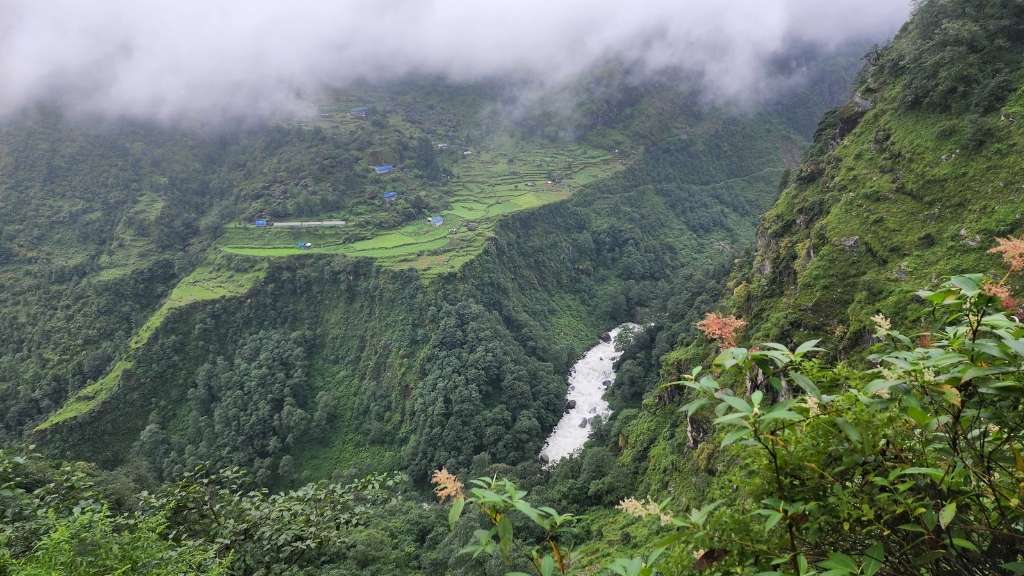
Choosing the right region is the most important factor for monsoon trekking in Nepal. During the rainy season, where you trek matters more than when you trek. Some regions receive heavy rainfall and become difficult. Others remain mostly dry and are actually at their best during the monsoon. Let us clearly divide the regions into two groups so you can make the right decision.
Rain-shadow areas lie behind high mountain ranges. These mountains block monsoon clouds coming from the south. As a result, these regions receive very little rainfall even during July and August. These are the best and safest trekking regions during the monsoon in Nepal, and some of them are:
• Upper Mustang
Upper Mustang is the top choice for monsoon trekking. This region lies to the north of the Annapurna and Dhaulagiri ranges, which block monsoon rain. The reason why Upper Mustang is Perfect in Monsoon are:
Upper Mustang looks dry and rugged, unlike the green hills. You will see red cliffs, deep valleys, ancient caves, and centuries-old monasteries. The trek feels more like walking into a hidden Himalayan kingdom. Monsoon months are actually considered the best time to trek to Upper Mustang.
• Upper Dolpo
Upper Dolpo is one of the most remote regions in Nepal. It also lies in a rain-shadow area, so monsoon rain has little effect. The facts that make Upper Dolpo special are:
Upper Dolpo trekking is challenging and requires special permits. But for experienced trekkers, it offers one of the most rewarding monsoon adventures in Nepal. If you want silence, isolation, and raw nature, this region is ideal.
• Nar Phu Valley
Nar Phu Valley lies north of the Annapurna region. It receives much less rain compared to the lower Annapurna trails. The reason why Nar Phu works in Monsoon are:
Nar and Phu villages feel frozen in time. Stone houses, narrow paths, and strong local traditions define this area. This trek is perfect for trekkers who want culture and adventure without heavy rain.
These regions are famous and attractive. But monsoons come with challenges. They are possible, but not ideal. If you want to choose these routes, be prepared for rain, delays, and changing plans.
• Everest Base Camp
Everest Base Camp is one of the most popular treks in the world. During the monsoon, you will experience:
However, there are advantages such as:
If you are flexible with time and patient with the weather, EBC can still be done in the monsoon. But it is not recommended for short holidays.
• Annapurna Base Camp
Annapurna Base Camp lies in a region that receives heavy rainfall. Some of the challenges include:
But the positive side:
If you do not mind rain and want lush nature, ABC can still be rewarding.
• Langtang Valley
Langtang Valley is closer to Kathmandu. It receives regular rainfall during the monsoon. Lower forest sections become muddy and slippery. Mountain views may be hidden by clouds. But like other regions, it becomes very peaceful with few trekkers. For those who want a shorter trek and flexible plans, Langtang is still an option.
Key Takeaway
For monsoon trekking in Nepal:
If you want the best experience with fewer problems, choose Upper Mustang, Upper Dolpo, or Nar Phu Valley. If you choose Everest, Annapurna, or Langtang, go with an open mind and extra time.
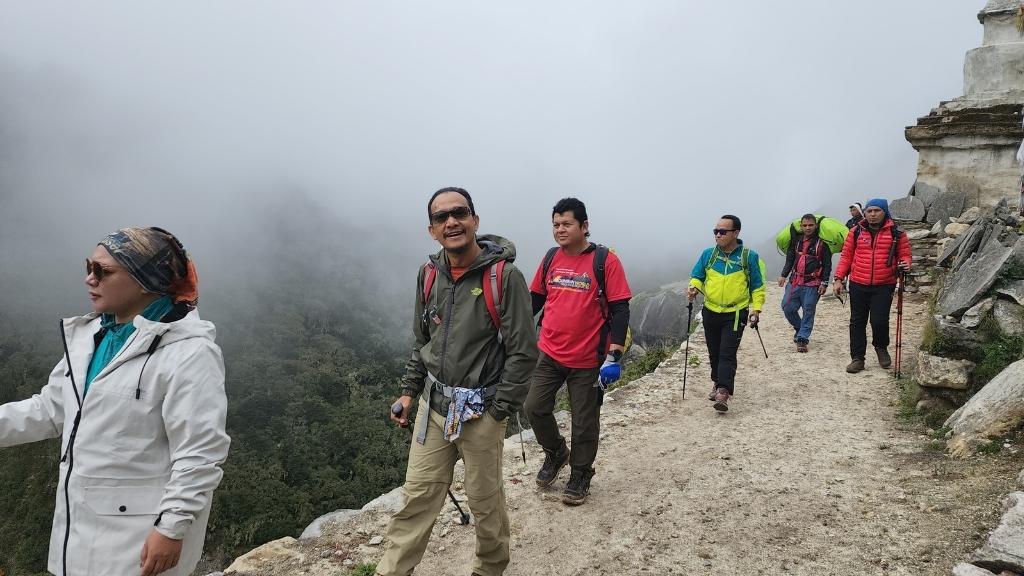
If you are planning a monsoon trek in Nepal, you must clearly understand the weather. Many trekkers only think about rain. But monsoon weather includes temperature, humidity, visibility, cloud movement, and rainfall timing. In this section, we will break everything down in simple words.
One important thing to know is that monsoon is not a cold season. In fact, it is one of the warmer times of the year in Nepal. However, temperature changes depending on altitude.
1. Lower Altitudes (Below 1,500 meters)
Example: Kathmandu and the lower hill regions. In places like Kathmandu, the temperature can be:
It often feels hotter because of the humidity.
2. Mid Altitudes (1,500m – 3,000m)
Example: Lower sections of the Annapurna Region and the Langtang Valley
This is where most forest trekking happens. Rainfall is heavier in these areas.
3. Higher Altitudes (3,000m – 5,000m)
Example: Everest Base Camp
Rainfall is reduced at very high altitudes, but clouds are common. Snowfall is rare during the monsoon unless there is an unusual weather system.
4. Rain-Shadow Areas
In places like Upper Mustang:
These areas feel much less humid and more stable.
Monsoon does not mean nonstop rain all day. Rain usually follows a pattern:
However, during peak monsoon (July and early August), some days may experience longer periods of rain. Rain intensity varies:
In low hill regions, rainfall is more frequent. In higher or rain-shadow regions, rain is much less.
Visibility is one of the biggest concerns during monsoon trekking. Clouds often cover mountain peaks. But the situation changes throughout the day. The Typical Pattern will be as follows:
After rainfall, when clouds move away, mountain views can be very sharp and clean. Air pollution is low during the monsoon. The sky can look fresh and dramatic. However, you should not expect clear mountain views every day like in autumn. Patience is important.
Humidity is high during the monsoon trekking, especially below 3,000 meters. You may feel:
This is one of the main challenges of monsoon trekking. High humidity also increases:
To manage humidity:
In rain-shadow areas like Upper Dolpo, humidity is much lower and more comfortable.
Monsoon weather in Nepal is:
The key to enjoying monsoon trekking is adjusting your schedule. You need to wake up early and walk in the morning. And you should also rest in the afternoon if needed.
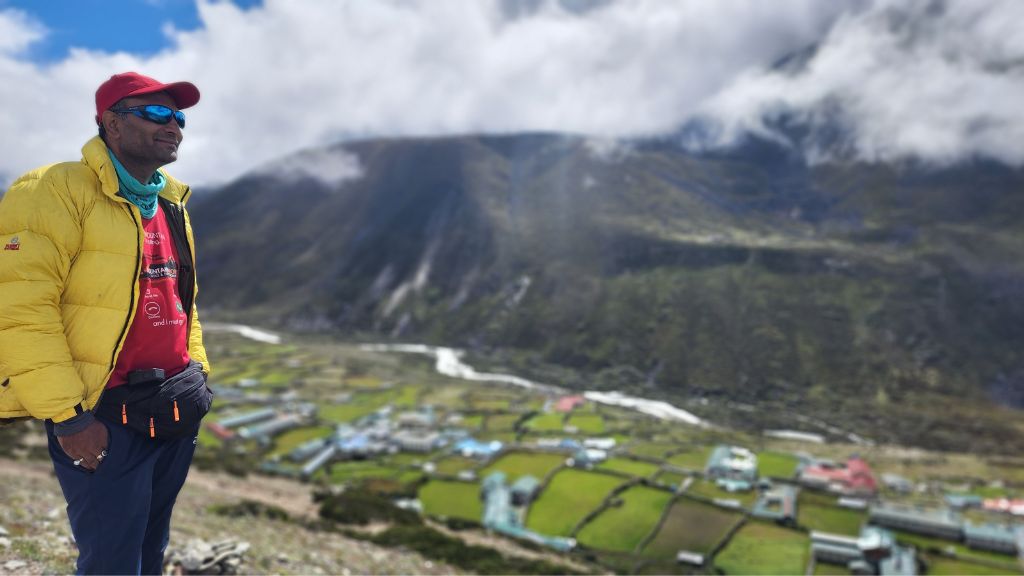
Monsoon trekking in Nepal is possible. But safety must be your top priority. Rain changes the mountains. Trails become unstable, and rivers grow stronger. Transportation can be delayed. You can reduce most risks if you plan carefully and stay alert. Let us look at the main safety factors one by one.
During heavy rainfall, landslides can happen in hilly and mountain regions. This is more common in:
Why Landslides Happen
Rainwater makes the soil soft. Loose rocks and mud can slide down slopes. This may block roads or small sections of trail. Large landslides are rare on major trekking routes, but small trail damage can happen.
How to Stay Safe
Monsoon trekking requires flexibility. Sometimes you may need to wait forthe weather to improve.
River Crossings
Monsoon increases river and stream levels. Small streams that are easy to cross in autumn may become stronger during the monsoon. Most major trekking routes have suspension bridges, which are safe. However, you need to be careful because:
River risk is much lower compared to green mid-hill regions in rain-shadow regions like Upper Mustang.
Travel Insurance Importance
Travel insurance is extremely important for monsoon trekking. Weather delays are more common in this season. For example, Flights to Lukla (gateway to Everest Base Camp) are often delayed or cancelled due to cloud cover. Good travel insurance should include:
Mountain weather can change quickly. Even experienced trekkers may face altitude sickness or accidents. Insurance gives you peace of mind. You should never trek in Nepal without proper coverage, especially during the monsoon.
Hiring Local Guides
Hiring a local guide is highly recommended during the monsoon. Why? Because local guides:
In difficult conditions, experience matters to you. A guide can also help you adjust your walking schedule. For example:
During the monsoon, flexibility is key. A guide can make your trek smoother and safer.
Monsoon trekking is not dangerous by default, but it requires:
You should
If you choose the right region and stay prepared, monsoon trekking in Nepal can be both safe and rewarding.
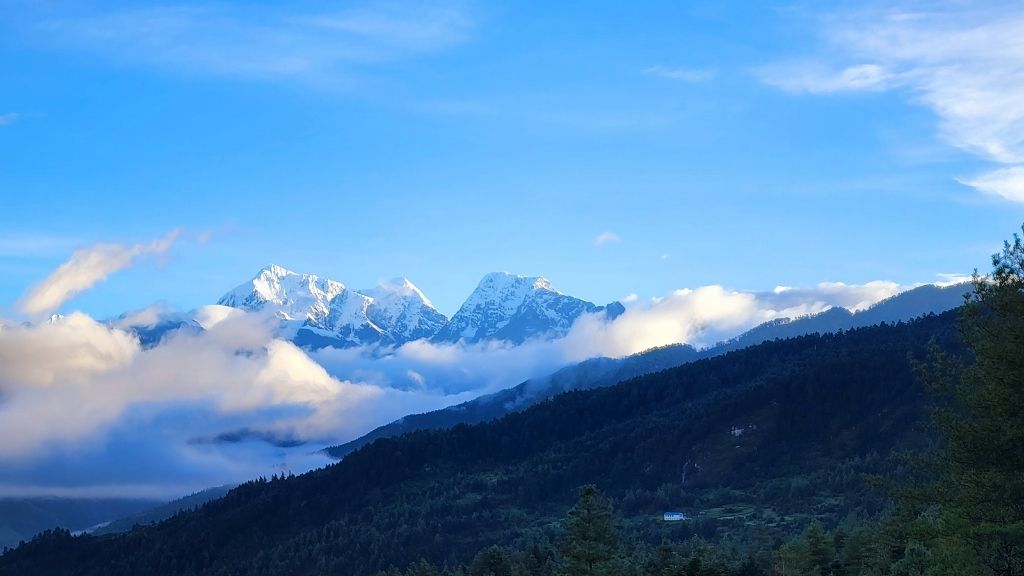
Packing correctly is the most important part of monsoon trekking in Nepal. During this season, your biggest enemies are:
If you stay dry and organised, your trek becomes comfortable and safe. Let us go through the essential packing items one by one.
Waterproof Clothing
This is your first line of protection. A normal jacket is not enough during the monsoon. The clothing that you need is
Your jacket should be:
Rain can start suddenly in regions like the Annapurna Region or Langtang Valley. If your outer layer fails to keep you warm from the inside, your clothes will stay wet all day. You should also carry:
Even in the monsoon, temperatures can drop at night near Everest Base Camp.
Trekking Boots
Your boots are extremely important during the monsoon. In the monsoon season, trails become:
You should choose boots that are:
You must avoid old, worn-out shoes. Before your trek, you should:
You need to carry:
Backpack Rain Cover
Even if your backpack claims to be waterproof, you should always carry a separate rain cover. Heavy rain can soak through zippers. You should also:
This is very important in areas like the Everest Region, where the weather can change quickly. If your sleeping clothes get wet, your night becomes uncomfortable.
Anti-Leech Protection
Leeches are common below 3,000 meters during the monsoon. They are especially active in forested areas like:
Leeches are not dangerous, but they can surprise you. To stay protected, you must:
Staying calm is important. They are annoying, not harmful. Rain-shadow areas like Upper Mustang have almost no leeches because the climate is dry.
Cotton clothes are not good for monsoon trekking. They absorb water and dry slowly. You should choose clothes such as:
You may sweat more because the humidity is high. Quick-dry clothes help you stay comfortable. You need to carry:
Washing and drying clothes is harder in the monsoon, so you should plan your trek wisely.
Electronics Protection
Rain and humidity can damage your electronics. If you are creating YouTube content or photography, this is very important for you. You need to protect:
You must use:
During heavy rain, you must avoid exposing electronics unnecessarily. You should keep them dry at all times.
Extra Helpful Items for Monsoon Trekking
Although not in the main list, these items are very useful:
During monsoon trekking, comfort depends on one thing:
If you will ever pack smart and choose the right region, rain will not stop your adventure.
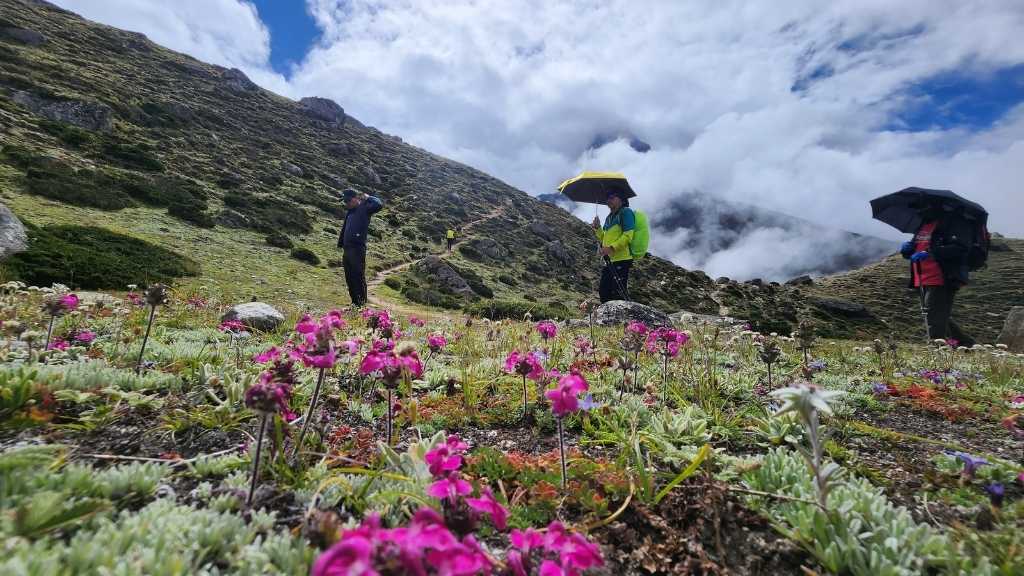
The one big reason why some trekkers choose the monsoon season is the lower cost. Monsoon is considered the off-season in Nepal compared to autumn and spring. Prices are often more flexible because of fewer tourists. However, some transportation challenges can increase your budget if you are not careful. Let us break it down clearly.
During peak seasons (March to May and October to November), teahouses fill up quickly. In famous areas like Everest Base Camp and Annapurna Base Camp, rooms are sometimes fully booked. But during the monsoon trekking in Nepal:
In some regions, accommodation prices may drop slightly. Even when prices remain the same, you often get better service and more comfort because there are fewer guests. In rain-shadow areas like Upper Mustang, the season is still active, so prices may not drop much. But in mainstream trails, you can usually save money.
Because the monsoon is the low season, many guides and porters have fewer bookings. This creates more flexibility in pricing. You may find:
Hiring a guide during the monsoon is strongly recommended for safety reasons, especially in regions like the Annapurna Region or Langtang Valley, where landslides and trail changes can occur. Although you might negotiate slightly lower rates, it is important to pay fair wages. Guides work harder during the monsoon due to weather challenges. Saving money is good, but safety and quality support should come first.
Permit prices do not change in the monsoon. You will still need:
For example, Upper Dolpo and Nar Phu Valley require special restricted permits, and these are fixed in price. So, you should not expect discounts on official permits. Government fees stay the same in every season.
This is where the monsoon can sometimes increase your cost. Heavy rain can cause:
For example, flights to Lukla (gateway to the Everest Region) are often delayed during the monsoon due to clouds and poor visibility. If flights are cancelled, you may need to:
Road travel to trekking starting points may also be slower. Because of this, it is very important to:
Here is a simple summary: You may spend less on:
You may spend more on:
In most cases, monsoon trekking can be slightly cheaper than peak season if everything goes smoothly. The key is planning extra days and keeping a small emergency budget.
Monsoon trekking can be budget-friendly, peaceful, and less crowded. But flexibility is very important. If you want to travel with tight schedules and fixed return flights, delays can become stressful and expensive.
If you can plan wisely, the monsoon can be one of the most cost-effective seasons to trek in Nepal.
Monsoon trek in Nepal is not for everyone. But for some travellers, it can be the perfect season. If you can understand the weather, accept flexibility, and prepare well, the monsoon can offer a very special experience. Let us see who this season is best suited for.
If you are travelling on a tight budget, monsoon can be a smart choice. During peak seasons, popular trails like Everest Base Camp and Annapurna Base Camp are crowded. Prices are less flexible. But in the monsoon, you will see that:
While permits cost the same, overall daily expenses can feel lower. If you are planning a long trek or extended travel in Nepal, the monsoon season can help reduce your total cost. However, budget travellers must also keep some extra money for possible delays.
Monsoon trekking requires patience and good judgment. Trail conditions can change quickly. The weather can be unpredictable. Roads may be blocked. If you already have trekking experience, you can handle:
Experienced trekkers also know how to manage gear properly and stay safe in challenging conditions. Rain-shadow regions like Upper Mustang or Nar Phu Valley are especially good choices for experienced hikers who want adventure with fewer crowds. If this is your first trek ever, the monsoon might not be the best time to start.
Many people think monsoon is bad for photography. But for creative photographers, it can be magical. Why? Some of the reasons are:
After rainfall, when clouds clear, mountain peaks look sharp and clean. Landscapes become extremely vibrant in regions like Langtang Valley or the Annapurna Region. Monsoon light creates mood and emotion in photos. Yes, you may not get blue skies every day. But you will get dramatic, living landscapes. For YouTube creators and travel bloggers, monsoon offers a different story: one that most tourists never see.
Monsoon is also festival season in Nepal. Nepalese celebrate some important Hindu festivals in Monsoon seasons, like:
These festivals are celebrated during this time. Villages are busy with farming activities. Rice planting season begins. Local life feels active and real. You may have more natural interactions with local people because there are fewer tourists in the Monsoon season. In rain-shadow areas like Upper Dolpo, you can experience preserved Tibetan culture without large trekking groups.
If your goal is not just mountains but also people, traditions, and rural life, monsoon trekking can be deeply rewarding.
Final Thought
Monsoon trekking is best for:
It is not about perfect weather. It is about experiencing Nepal differently.
Monsoon trekking in Nepal (June to September) is beautiful but challenging. Heavy rain, muddy trails, landslides, and flight delays can make your journey difficult. It is not the best season for everyone. Below are the types of travellers who should avoid trekking during the monsoon.
If someone is planning their first trek in Nepal, the monsoon is not the ideal season. Popular routes like the Everest Base Camp, Annapurna Base Camp, or Langtang Valley become wet and slippery. The reason why beginners should avoid the onsoon is:
For first-time trekkers, spring (March to May) or autumn (September to November) is safer and more comfortable.
Monsoon weather is unpredictable. Rain can cause:
If someone has only 7 to 10 days in Nepal, monsoon trekking can be risky. A delayed flight to Lukla or blocked roads in the Annapurna region can ruin your whole schedule. This season is better for flexible travellers who can adjust their plans.
Many trekkers visit Nepal mainly for the clear Himalayan views. During the monsoon, you will see:
You may get clear views early in the morning, but not daily like other seasons. If someone dreams of constant panoramic views of peaks like Mount Everest or Annapurna, autumn is the best season.
Final Thought
Monsoon trekking is not bad. It is simply different. It suits experienced and flexible travellers. It is better to choose another season for beginners, limited-time visitors, or those expecting a mountain view every day.
Monsoon trekking in Nepal is not only about mountains and greenery. It is also a season rich in cultural experiences. During June to September, local villages and towns are full of life, traditions, and festivals. This is a side of Nepal that many tourists miss during peak trekking seasons.
Janai Purnima is one of the most important Hindu festivals in Nepal. It usually falls in August during the monsoon season. Hindu men renew their sacred thread (“Janai”) in a special ceremony. Locals visit rivers and temples to take holy baths.
For trekkers, Janai Purnima is a unique opportunity to witness traditional rituals and interact with local communities. Villages along trekking routes become lively, colourful, and culturally vibrant.
Teej
Teej is another important festival celebrated mainly by women. Women wear red dresses, fast, and pray for family well-being. Traditional songs and dances fill the villages. Communities gather in temples and open spaces to celebrate.
Trekking during the monsoon gives visitors a chance to experience these authentic cultural moments, as fewer tourists allow for more natural interaction with locals. You may even see women performing rituals in small village temples while working in rice fields nearby.
Farming Season and Village Life
Monsoon is the farming season in Nepal. Rain brings fertile soil and helps crops grow. Trekking through villages during the monsoon gives you insight into everyday rural life:
This is especially noticeable in regions like the Annapurna Region and Langtang Valley, where traditional village life is very active. For cultural explorers, monsoon trekking offers a unique opportunity to witness the rhythm of rural Nepal, its festivals, traditions, and daily activities in their most vibrant form.
While the monsoon may hide mountains behind clouds, it reveals the heart of Nepali culture. Travellers can experience festivals, traditional ceremonies, and lively farming villages in their most authentic form. This makes monsoon trekking a different but deeply rewarding journey beyond just trekking and sightseeing.
1. Is the monsoon trek in Nepal safe?
Yes, monsoon trekking is safe in Nepal if you choose rain-shadow regions, hire a local guide, and follow trail safety precautions.
2. What is the best monsoon trek in Nepal?
The best monsoon treks in Nepal are in rain-shadow areas: Upper Mustang, Upper Dolpo, and Nar Phu Valley.
3. Can beginners trek during the monsoon?
For beginners, the monsoon trek is not recommended. Monsoon trails are slippery, and the weather is unpredictable; beginners should try spring or autumn instead.
4. Are there leeches during the monsoon trek in Nepal?
Yes, there are leeches during monsoon and mainly in forested and lower-altitude areas below 3,000 meters. Rain-shadow regions have fewer leeches.
5. Is monsoon trekking in Nepal cheaper?
Yes, trekking is cheaper in Monsoon because accommodation, guides, and daily expenses are generally cheaper due to the low season, but permit costs remain the same.
6. Which months are monsoon in Nepal?
Monsoon lasts from June to September. Peak rainfall is in July and August.
7. Will I get mountain views during the monsoon?
Yes, you will get morning views during the monsoon. Morning views can be clear. Afternoon clouds and rain often cover peaks, so patience is required.
8. What should I pack for a monsoon trek in Nepal?
Some of the essential items that you should pack for monsoon trekking are a waterproof jacket and pants, trekking boots, a rain cover for your backpack, quick-dry clothes, anti-leech protection, and electronics protection.
9. How frequent is rain in the monsoon?
Rain usually comes in the afternoon or evening. Mornings are often clear. Some days may have longer rainfall, especially in the lower hills.
10. Can I trek in the Everest Base Camp during the monsoon?
Yes, you can trek in Everest Base Camp, but the trails are muddy, Lukla flights may be delayed, and mountain views are often cloud-covered.
11. Are Annapurna Base Camp treks suitable during the monsoon?
Yes, it is possible but challenging due to heavy rain, slippery forest trails, and leeches.
12. Which regions stay dry during the monsoon?
The regions that stay dry during the monsoon are rain-shadow regions like Upper Mustang, Upper Dolpo, and Nar Phu Valley. They remain mostly dry.
13. What kind of clothing is best?
The clothing that is best is lightweight, breathable, and fully waterproof layers. You should avoid cotton and use quick-dry synthetic fabrics.
14. Do I need trekking poles?
Yes, you might need trekking poles because poles help maintain balance on slippery and muddy trails.
15. Are accommodations available during the monsoon trek in Nepal?
Yes, teahouses are less crowded and often easier to negotiate with.
16. Are flights to mountain airports affected by the monsoon?
Yes, flights to Lukla, Jomsom, and other mountain airports often face delays or cancellations.
17. Is humidity a problem during the monsoon?
Yes, humidity can be a problem in the monsoon, especially in lower altitudes, where humidity is high. Quick-dry clothes and frequent sock changes help you always.
18. Can I do short treks during the monsoon?
Yes, short treks near Kathmandu or rain-shadow areas are doable during the monsoon. But lower forested routes may be muddy.
19. Are festivals happening during the monsoon?
Yes, important festivals include Janai Purnima and Teej. Villages are lively with cultural activities.
20. Is monsoon trekking good for photographers?
Yes, landscapes are green, waterfalls are powerful, and clouds create dramatic skies.
21. Can I trek alone during the monsoon?
It’s not recommended for inexperienced trekkers to trek alone during the monsoon. You should hire a local guide because it is safer for everyone due to slippery trails and changing weather.
22. Do I need travel insurance for the monsoon trek in Nepal?
Yes, travel insurance is strongly recommended to cover emergencies, flight delays, and medical situations.
23. Are river crossings dangerous during the monsoon?
Yes, rivers swell after rain, and they can be dangerous during crossing. You should cross early, use bridges, and never risk strong currents.
24. How are the trail conditions in the monsoon?
Trails are muddy, slippery, and sometimes affected by landslides, especially in lower and mid-hill regions.
25. Can I do trekking in Langtang during the monsoon?
Yes, you can do trekking in Langtang during the monsoon, but expect muddy trails and occasional cloud-covered peaks.
26. How about Upper Dolpo trekking during the monsoon?
Upper Dolpo is an excellent choice for trekking during the monsoon season. It is in a rain-shadow region with dry, stable trails and stunning landscapes.
27. Are permits different in the monsoon?
No, permit costs remain the same, including TIMS and conservation area permits.
28. Can trekking in the monsoon be a budget-friendly option?
Yes, trekking can be a budget-friendly option during the monsoon due to lower accommodation and guide rates, but you should keep extra funds for transport delays.
29. What time of day is best for trekking in the monsoon?
Early morning is ideal for clear views and dry trails. Afternoon often has rain.
30. Should I avoid monsoon trekking completely?
No, it’s not necessary to avoid monsoon trekking completely. Experienced trekkers, photographers, cultural explorers, and flexible budget travellers can enjoy monsoon trekking safely and uniquely. Beginners or those with tight schedules should avoid it.
Monsoon trek in Nepal is different from trekking in spring or autumn. It is not about perfect weather but about uniquely experiencing the Himalayas. This conclusion summarises everything so you can make an informed decision. Monsoon trekking has both advantages and challenges. Some of the advantages of trekking in the monsoon are:
The challenges you can face are:
By understanding both sides, you can prepare properly and enjoy the season safely.
When Monsoon Trekking is a Great Choice
Monsoon trekking is ideal if you are:
If you can fit these profiles, the monsoon can be a rewarding and unforgettable adventure.
When to Choose Another Season
You should avoid monsoon trekking if you are:
In these cases, spring (March to May) or autumn (September to November) offers safer, clearer, and more comfortable trekking conditions.
Encouragement for Responsible Trekking
Regardless of the season, responsible trekking is key to:
Monsoon trek in Nepal may require patience, flexibility, and preparation, but it can show you a different, greener, and quieter Nepal: One that few travellers experience. Monsoon trekking in Nepal is worth it for the right travellers. If you plan well, choose the right region, and embrace the rainy season with an open mind, you will experience Nepal’s mountains, culture, and forests magically and uniquely.
 25+ years of trusted experience Local experts with personal care Safe, budget-friendly & customized treks Real stories, real people, real mountains
 DM us now for your dream Himalayan journey!