
Nepal has taken a big step that could change the future of mountaineering in the Himalayas. The country’s National Assembly has passed the Integrated Tourism Bill, introducing major reforms in tourism management, mountaineering safety, and environmental protection.
Among the many new provisions, one rule stands out and is already making headlines across the global climbing community. New Rules Climbing Mt Everest is a must; first summit a mountain above 7,000 meters in Nepal. This change signals a shift from commercial climbing to responsible, experienced mountaineering.
The decision comes after years of concern about overcrowding, climber safety, environmental damage, and the increasing number of inexperienced adventurers attempting the world’s highest peak. This article explains what the new law means, why it was introduced, how it affects climbers and trekking companies, and what it means for the future of Nepal’s tourism industry.
Tourism is one of Nepal’s most important industries. Each year, thousands of visitors arrive to trek, climb, explore culture, and experience the Himalayas. Nepal offers some of the most breathtaking landscapes on Earth, from the trails of the Annapurna Conservation Area to the glaciers of Sagarmatha National Park.
However, the rapid growth of adventure tourism has brought serious challenges:
The new Tourism Bill aims to address these issues while promoting sustainable and responsible tourism.
The Integrated Tourism Bill is a new law designed to modernize Nepal’s tourism sector. It introduces reforms in:
The law aims to ensure that Nepal remains a world-class adventure destination while protecting both people and nature.
For decades, Mount Everest has attracted climbers from all over the world. While many are experienced mountaineers, others attempt the climb with limited high-altitude experience. Under the new rule:
This regulation aims to ensure that climbers understand extreme altitude conditions before attempting Everest’s deadly environment.
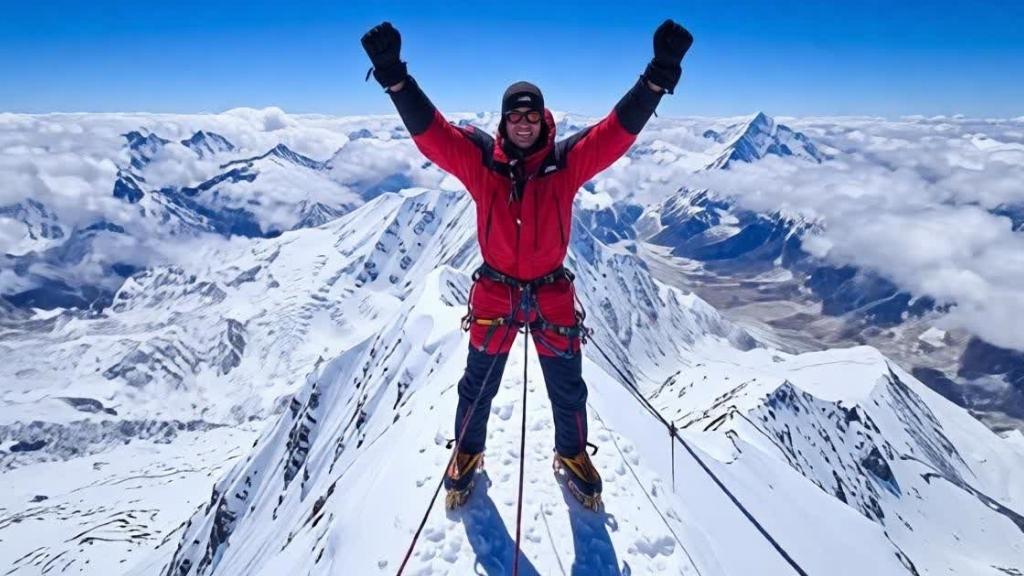
Climbing above 8,000 meters is extremely dangerous. The lack of oxygen, extreme cold, and unpredictable weather create life-threatening conditions. In recent years, Everest has seen:
Many of these incidents involve climbers who lacked high-altitude experience. By requiring a 7,000m climb first, Nepal ensures climbers:
This step could save lives.
Images of long lines near the summit have shocked the world. During peak season, hundreds of climbers attempt the summit in narrow weather windows, creating dangerous traffic jams above 8,000 meters. Overcrowding increases risk because:
Limiting inexperienced climbers will naturally reduce congestion.
Sherpas and high-altitude guides carry heavy loads, fix ropes, and assist climbers in dangerous zones. When inexperienced climbers require assistance, Sherpas face increased risk. The new rule:
Everest and surrounding peaks have faced growing environmental challenges:
By regulating climber numbers and introducing environmental funds, the new bill aims to preserve fragile alpine ecosystems. Nepal’s mountains are not just adventure destinations. They are sacred landscapes and vital water sources for millions.
For many years, Everest represented the ultimate mountaineering achievement. However, commercial expeditions made the summit accessible to climbers with limited experience. By raising qualification standards, Nepal is restoring Everest’s reputation as a serious mountaineering challenge.
Other Key Changes in the New Tourism Law
This includes:
This reduces financial burden on rescue teams and the government.
High-altitude climbing places extreme stress on the body. The law introduces stricter health certification to ensure climbers are medically fit for extreme elevations.
The bill strengthens oversight of trekking and climbing companies. New regulations focus on:
This helps eliminate unsafe operators.
Climbers will contribute to environmental protection funds used for:
The bill promotes tourism that benefits local communities while protecting natural and cultural heritage.
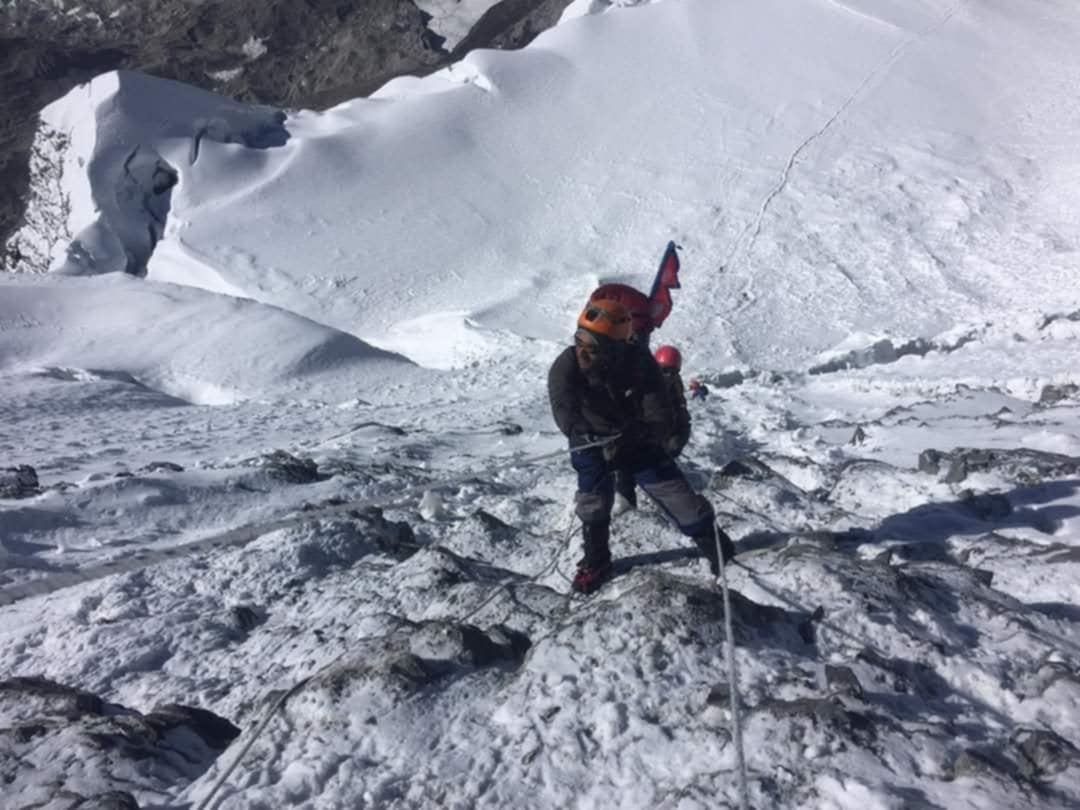
Nepal is home to several stunning 7,000-meter peaks that can serve as preparation for Everest. Popular choices include
These peaks offer valuable experience in:
They also distribute tourism benefits to less crowded regions.
While some fear fewer Everest climbers, the rule could boost Nepal’s broader mountaineering industry. Climbers will spend more time in Nepal preparing for Everest. Guides, porters, lodges, and local communities benefit. Instead of a single expedition, climbers may return multiple times. Remote regions gain economic opportunities. No major policy change comes without debate.
Some argue that climbers who have summited 7,000m peaks elsewhere should qualify. Authorities may refine rules over time. Climbing an additional peak increases financial investment. Expedition companies may need time to adapt logistics and marketing. However, many experts believe safety benefits outweigh these concerns.
The response has been mixed but largely supportive. Supporters say:
Critics say:
Overall, the move is seen as a responsible step toward sustainable mountaineering.
If you dream of climbing Everest, preparation is now more important than ever. Future climbers must:
This ensures Everest remains a respected achievement.
Nepal’s decision reflects a broader global shift toward sustainable and responsible travel. Adventure tourism must balance:
Nepal is setting an example for mountain destinations worldwide.
The new tourism reforms protect:
This is not just about regulation; it is about protecting the Himalayas.

Nepal remains the world’s top destination for high-altitude climbing. With improved safety standards and sustainability measures, the country is strengthening its global reputation. The new tourism law ensures that future climbers experience the Himalayas responsibly and respectfully.
1. What is Nepal’s new Everest climbing rule?
Climbers must summit a mountain above 7,000 meters before attempting Everest.
2. When does the new rule take effect?
The new rule will be implemented after final approvals and administrative procedures.
3. Why did Nepal introduce this rule?
Nepal introduced this rule to improve safety, reduce overcrowding, and protect the environment.
4. Does this apply to all climbers?
Yes, all Everest permit applicants must meet the requirement.
5. Can climbers use experience from other countries?
No, current proposals focus on peaks climbed in Nepal.
6. Why is Everest dangerous?
Everest is dangerous because of extreme altitude, low oxygen, cold temperatures, and unpredictable weather.
7. What is the death zone?
Death zones are the areas above 8,000 meters where oxygen levels are insufficient for survival.
8. Will this rule reduce deaths?
The new rules are expected to improve preparedness and reduce accidents.
9. Do inexperienced climbers cause rescue risks?
Yes, rescue missions often involve climbers lacking altitude experience.
10. How does high-altitude experience help?
High altitude teaches acclimatization, pacing, and survival techniques.
11. What qualifies as a 7,000 m peak?
Any mountain above 7,000 meters in elevation qualifies as a 7,000 m peak.
12. Why require a 7,000 m climb?
7,000 m prepares climbers for extreme altitude conditions.
13. Are 7,000 m peaks difficult?
Yes, they are very difficult and require technical skills and high endurance.
14. Which peaks are popular preparation climbs?
Himlung Himal and Baruntse are common choices for popular preparation climbs.
15. Do these peaks require technical climbing?
Some of these peaks require rope work and glacier travel.
16. Will this reduce Everest tourism?
It may decrease at first, but it may increase climbing in other regions.
17. How will this help local communities?
It will help More expeditions mean more jobs and income in remote areas.
18. Will trekking agencies benefit?
Yes, climbers may stay longer and climb multiple peaks.
19. Does this improve Nepal’s global reputation?
Yes, it promotes responsible and safe mountaineering.
20. Will expedition costs increase?
Climbers may need additional expeditions, increasing costs.
21. How does this help the environment?
Fewer climbers reduce waste and ecological damage.
22. Is Everest polluted?
Waste accumulation has been a growing concern.
23. Will cleanup efforts increase?
Yes, the bill includes environmental conservation funding.
24. Are climbers responsible for their waste?
New rules will strengthen accountability.
25. Why protect Himalayan ecosystems?
They provide water resources and support biodiversity.
26. Will Everest become harder to climb?
The physical climb remains the same, but entry standards are higher.
27. Can beginners still dream of Everest?
Yes, but they must gain experience first.
28. Is Everest still the ultimate climbing goal?
Yes, it remains the world’s highest mountaineering achievement.
29. How should climbers prepare now?
Training, altitude experience, and technical skills are essential.
30. Is this rule good for the future of mountaineering?
Many experts believe it promotes safety and sustainability.
Nepal’s Integrated Tourism Bill marks a turning point in Himalayan tourism. By requiring climbers to summit a 7,000-meter peak before Everest, the country is prioritizing safety, sustainability, and responsible mountaineering. Everest is no longer a beginner’s ambition. It is the ultimate reward for experience, discipline, and respect for the mountains.
For climbers, this change may mean more preparation. For Nepal, it means a safer and more sustainable future. For the world, it ensures the Himalayas remain protected for generations to come.
 25+ years of trusted experience Local experts with personal care Safe, budget-friendly & customized treks Real stories, real people, real mountains
 DM us now for your dream Himalayan journey!
