Upper Mustang, also known as “The Forbidden Kingdom” of Nepal, has always attracted trekkers with its cultural richness and remote beauty. You walk through ancient cities, caves, monasteries, and villages that have preserved Tibetan traditions for centuries. It is one of the few places where you can still witness people’s lifestyles in their authentic form. The Upper Mustang area stays special because it is a restricted zone.
This means you need a special Restricted Area Permit (RAP) to enter there.
The permit rules changed recently on November 19, 2025. Many travellers want to know what has changed, how much they will have to pay, and how to apply. This guide explains everything in simple words so you can understand without stress.
You will learn about:
1. The latest permit rule
2. The new cost
3. Why the rule changed
4. How many days should you stay
5. Where do you need to show your permit
6. How to apply
7. Who can enter
8. Who cannot enter
9. What other permits do you need
10. Why Upper Mustang stays restricted
11. Trek planning tips
12. Common questions that every traveller asks
You will get all the information in one place.
This is the most important update for the recent change. For many years, the Upper Mustang Restricted Area Permit (RAP) charged a fixed amount:
Old rule:
1. You had to pay 500 USD for a mandatory minimum of 10 days.
2. And an additional 50 USD per day if you stayed beyond those 10 days.
This rule did not give travellers the flexibility to trek comfortably. Even if you stayed 3 days, you still had to pay 500 USD. Many travellers felt this was too expensive for a short visit. Now the government has finally changed it from today.
1. The New Daily Fee
The new system charges us 50 USD per day, regardless of how many days you stay
This means:
1. On day 1, you will have to pay 50 USD
2. On day 2, you will have to pay 100 USD
3. On day 3, you will have to pay 150 USD
4. On day 10, you will have to pay 500 USD
5. On day 14, you will have to pay 700 USD
Now, you pay only for the days you plan to stay, making shorter treks or more flexible itineraries much more financially feasible.
2. Why This Change Matters
Now you get all the freedom in your planning. You get to choose how long to stay. You can adjust our route without wasting money. Also, you can explore at your own pace. Short visits have become more affordable than before. Many travellers have long wanted this rule changed. Now, the system also matches their needs.
3. No Minimum Day Requirement
The old rule forced us to pay for 10 days even if you stayed less. Now there is no minimum time limit for the rule. If you want to stay 4 days, you should only pay for 4 days, and if you want to stay 7 days, you will have to pay for 7 days. This new rule makes the trek more flexible for many travellers.
1. Foreign Travellers
Every foreign traveller must take the Restricted Area Permit (RAP) for the Upper Mustang Trek. There are no exceptions for the tourists.
2. Nepali Travellers
For Nepali citizens, you do not need the RAP to enter Upper Mustang. But if you want to travel with foreign friends, then only your friends need to pay the restricted permit cost.
3. Children
If a child is a foreign passport holder staying in Nepal or studying in Nepal, the child also needs the RAP for the Upper Mustang Trek.
1. You cannot apply yourself
The Nepalese government does not allow individual travellers to apply for the Upper Mustang permit. Only a registered trekking agency can apply for the permit.
This rule helps:
2. You Cannot Trek Alone
Solo trekking is not allowed in Upper Mustang. You need a group of:
If you are alone, your agency must find another traveller to pair with you. This rule protects the trekkers and helps to manage the restricted zone.

1. ACAP Permit
ACAP permit means Annapurna Conservation Area Project. This permit is needed because you need to pass through ACAP before reaching Upper Mustang.
Cost:
This permit supports the conservation work and local projects in the Mustang Area.
2. Do You Need TIMS?
Some agencies say TIMS is not required if you already have a RAP. Some say TIMS still applies to ACAP regions. So, you need to ask your agency before confirming the trek. The rules sometimes change according to the route and season for the trek.

Many travellers wonder why this region remains restricted despite its beautiful landscapes and views. The main reasons are simple, such as
The restricted permit supports community projects and helps maintain the region.

The government wanted to make the trek more traveller-friendly. Many travellers avoided Upper Mustang because the cost felt too high. Local communities also wanted more visitors to support hotels, guides, and shops.
The daily rate gives:
This change supports both travellers and the local community.
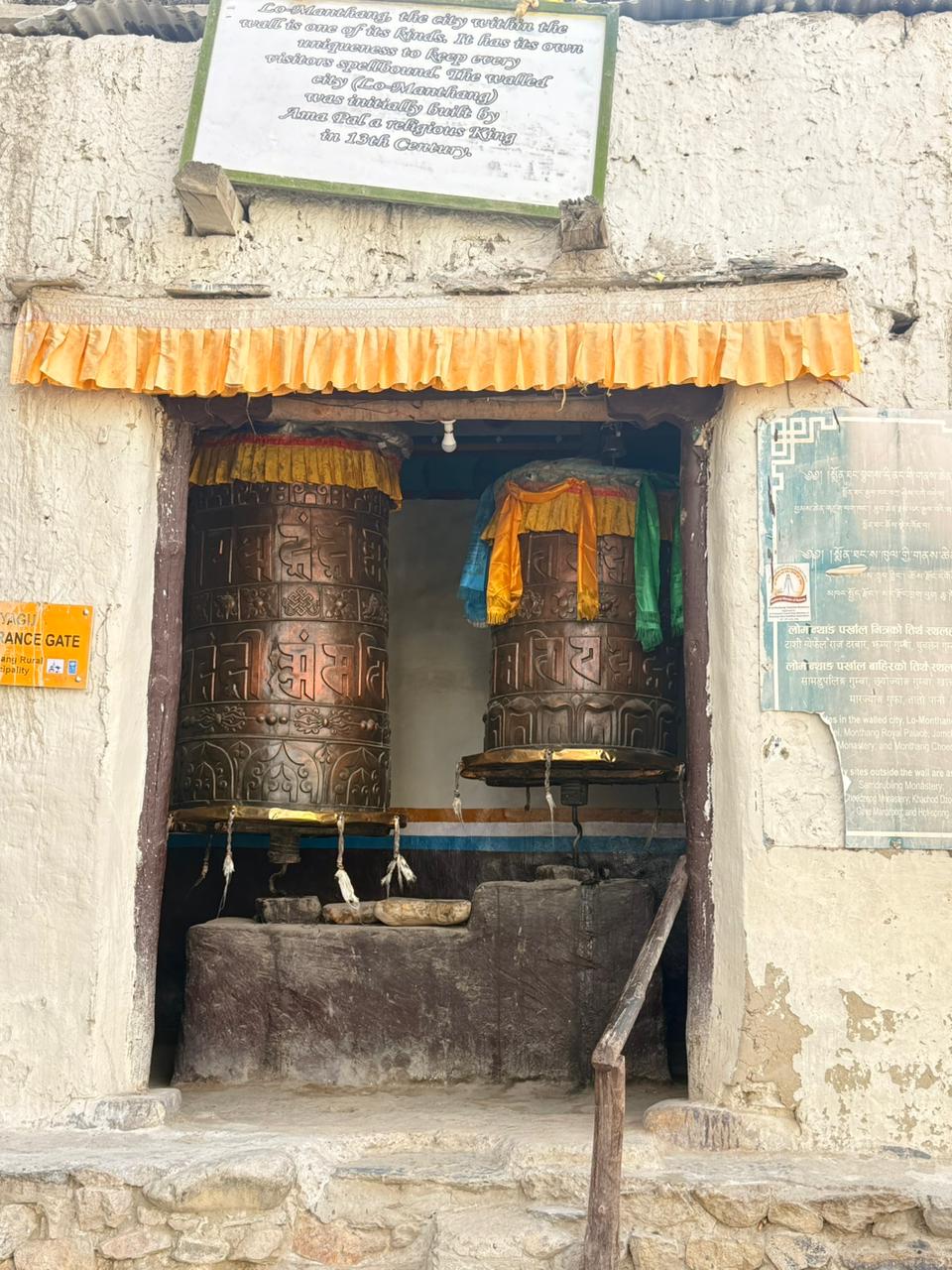
Now, your cost for the trek depends on the days you stay inside Upper Mustang. So how many days should you plan?
Most travellers choose:
If you want to have a short visit, 4-5 days is enough to explore the main spots. If you want to have a full experience, 8-12 days gives you time to explore Lo-Manthang and nearby villages. If you want to go in-depth, 12-14 days helps you see monasteries, caves, and remote areas.
Here are simple examples to help you plan.
Before, even 3 days cost you 500 USD. Now it is much cheaper for short visits, helping most of the travellers.
You must show your permits at these checkpoints:
If you do not have a permit, you cannot enter Upper Mustang. Your guide needs to handle this, so you do not need to worry.
The permit fee supports:
This money helps the region stay clean and safe.
Step 1: Choose a Government-Registered Agency
Only registered agencies can apply for the permit. That’s why you must pick a trusted one with experience in Upper Mustang.
Step 2: Give Your Documents
You need to submit some of your documents to your travel agency, such as:
Your agency needs to handle the paperwork and must complete it before the arrivals.
Step 3: Pay the Permit Fee
You need to pay for the number of days you want. And your agency pays to the government for the permit on your behalf.
Step 4: Wait for Approval
Normally, approval for the trek usually takes a few hours or one working day. Sometimes it takes longer in busy seasons.
Step 5: Carry the Permits During the Trek
Your guide always carries them, and you need to show them at checkpoints every time while going and returning from the trek.
1. Can I trek Upper Mustang alone?
No, you need at least two travellers and one guide for the trek.
2. Can I apply for the permit without an agency?
No, you cannot apply for the permit without an agency. Only registered TAAN agencies can apply for the permit.
3. Why is the area restricted?
The Upper Mustang area is restricted to protect its culture and heritage, as well as border security.
4. Can I add extra days later?
Yes, you can add extra days later. Your agency can update the permit and adjust the cost.
5. Can I exit early?
Yes, you can exit early from now on because your cost is based on planned days, not actual days. So choose your days wisely before starting the trek.
6. Can I fly directly to Lo-Manthang?
No, there is no commercial flight to Lo-Manthang.
7. Can Nepali citizens enter without a guide?
Yes, Nepalese citizens can enter without a guide, but foreigners cannot.
These simple steps make your journey smooth.
Upper Mustang feels different from other trekking regions.
You see:
The place stays peaceful and quiet. The new permit rule makes it easier for you to visit.
The new amendment to the Upper Mustang permit cost is a game-changer for trekking in this remote Himalayan region. By shifting from a fixed 10-day lump sum of 500 USD to a straightforward per-day rate of 50 USD, the government has made Upper Mustang more accessible, especially for trekkers seeking flexibility or shorter treks. This change improves budgeting and provides greater planning flexibility. For locals, it could bring more tourism and potentially more revenue.
 25+ years of trusted experience Local experts with personal care Safe, budget-friendly & customized treks Real stories, real people, real mountains
 DM us now for your dream Himalayan journey!
