
Nepal is one of the most famous trekking destinations in the world. Every year, travellers arrive in Kathmandu with dreams of walking beneath the towering Himalayas, crossing suspension bridges, and visiting remote mountain villages. The country offers trails for everyone, from easy scenic walks to challenging high-altitude expeditions.
Most trekkers plan their journey during spring (March to May) or autumn (September to November). These seasons provide comfortable temperatures, stable weather, and lively trekking routes filled with fellow adventurers. Because of this popularity, winter trekking in Nepal is often overlooked. But winter reveals a completely different side of Nepal.
The Himalayan landscapes transform into a peaceful white world from December to February. Snow settles on high ridges, the air becomes crisp and fresh, and the mountains appear sharper than ever. Trekkers experience quiet paths, calm surroundings, and a deeper connection with nature instead of busy trails and crowded lodges. This silence is the greatest luxury for many travellers.
You can imagine walking through snow-covered forests, hearing only the crunch of your boots on frost. You can picture small villages surrounded by white peaks, where smoke rises slowly from chimneys and locals gather around warm fires. Winter trekking is less about rushing to reach destinations and more about absorbing the stillness and beauty of the mountains.
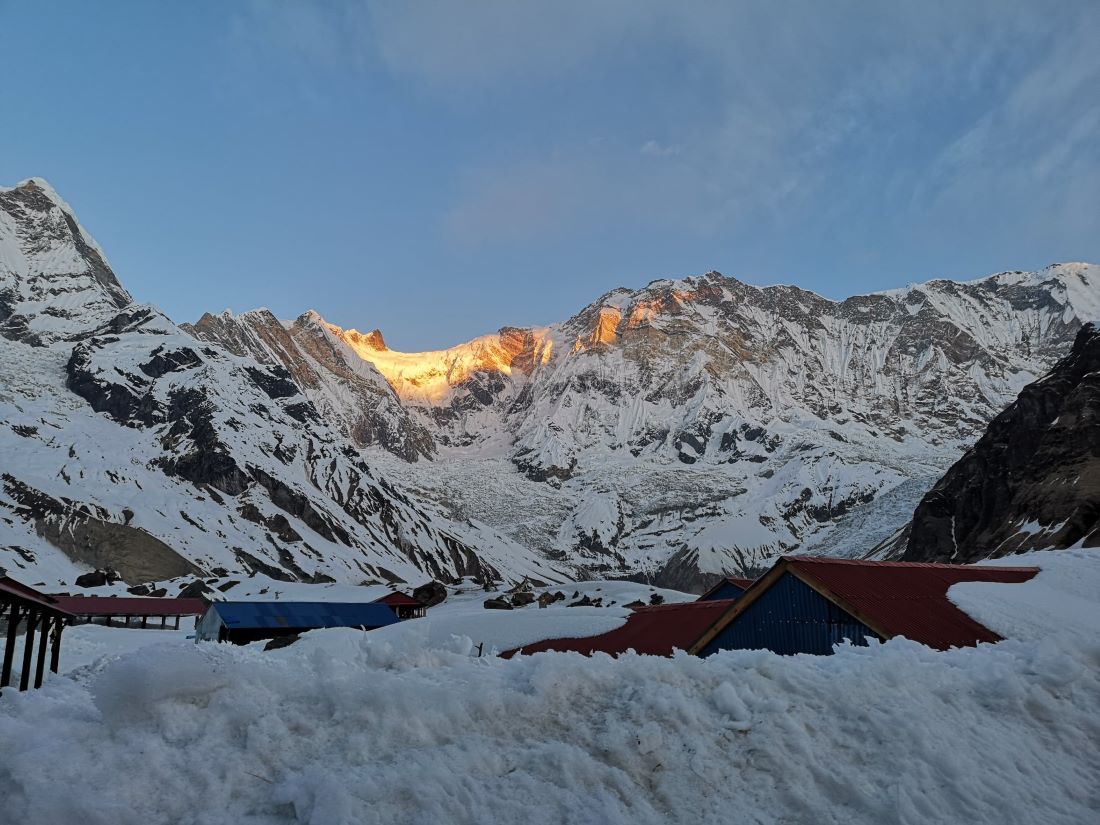
One of the biggest advantages of winter trekking in Nepal is visibility. The dry air contains very little dust or humidity, which means you can see the Himalayan peaks look incredibly clear. The views feel closer, sharper, and more dramatic. Sunrises and sunsets often paint the snowy mountains in shades of gold, pink, and orange, creating unforgettable moments for trekkers and photographers alike.
Winter also brings a sense of solitude that is hard to find during peak trekking seasons. Popular routes in regions such as the Annapurna Region and the Everest Region can be busy in autumn and spring. In winter, these same trails become peaceful and quiet. You may walk for hours without meeting large groups, allowing you to enjoy nature in its purest form. This peaceful environment appeals to many travellers, including:
Another benefit for you is cost. Winter is considered the off-season for trekking, which means many lodges, guides, and transport services offer lower prices. Budget travellers can enjoy the same mountain scenery at reduced costs while experiencing a more relaxed atmosphere. However, winter trekking is not without challenges.
Temperatures will drop significantly, especially at higher elevations. Nights can be freezing, and proper winter gear becomes essential. Trails may be covered with snow and ice, making some parts of the way slippery. Daylight hours are shorter, which requires careful planning to reach destinations before sunset.
The weather can also be unpredictable in the mountains. Snowstorms may temporarily block trails or delay flights, particularly in remote airstrips. That’s why flexibility and preparation are important when trekking in winter.
Thousands of trekkers successfully explore Nepal each winter despite all these challenges. Winter trekking can be safe, comfortable, and incredibly rewarding with the right equipment, realistic expectations, and proper planning.
It is also a season that allows deeper cultural experiences. Local communities return to their quiet daily rhythms with fewer visitors. Trekkers often enjoy more meaningful interactions, sharing warm meals and conversations with families in mountain teahouses. These simple moments create lasting memories that go beyond scenery and photographs. Winter trekking is not about comfort; it is about experience.
It is about feeling the cold mountain air on your face, watching snow sparkle in early sunlight, and standing beneath towering peaks in complete silence. It is about slowing down, appreciating simplicity, and discovering a quieter side of the Himalayas.
SO, IS WINTER TREKKING IN NEPAL WORTH IT?
The answer is often yes for the travellers who are prepared for cold temperatures and shorter days. Winter offers you the clear mountain views, peaceful trails, magical snowy landscapes, and a rare chance to experience Himalayan life without crowds.
If you are looking for solitude, natural beauty, and a truly unique adventure, winter trekking may become one of the most memorable journeys of your life.
Winter in Nepal lasts from December to February. The Himalayan regions become colder, quieter, and more peaceful during these months. Snowfall covers high mountain areas, the air turns crisp and dry, and the skies are often clear. While temperatures drop, winter offers stable weather and some of the year’s best visibility. Understanding what winter conditions are like will help you prepare properly and enjoy a safe, comfortable journey.
Winter in Nepal is not the same everywhere. Climate conditions vary greatly depending on altitude. Lower hills may feel cool and pleasant, while high mountain regions experience freezing temperatures and heavy snow. Trekkers experience changing weather conditions throughout their journey because trekking routes in Nepal often pass through different elevation zones.
Another important feature of winter is the dry atmosphere. Winter brings very little rainfall, unlike the monsoon season. The air contains low humidity and minimal dust, which improves visibility and makes distant mountain peaks look clear and sharp. Let’s look more closely at what to expect.
Winter begins in early December and continues until the end of February. January is usually the coldest month. Temperatures vary depending on altitude, as given below:
1. Lower elevations (below 2,500 meters)
These areas include foothill villages and lower trekking routes.
2. Mid elevations (2,500 to 4,000 meters)
These zones include many popular trekking routes.
3. High elevations (above 4,000 meters)
These include base camps and alpine passes.
Although daytime trekking can feel pleasant under sunshine, temperatures drop quickly after sunset. Proper clothing and warm sleeping gear are essential for you to be warm at night. The cold air is usually dry, which makes physical activity easier compared to humid conditions. Many trekkers find walking in winter more comfortable because they sweat less and stay dry.
Winter weather in Nepal is generally stable and predictable, especially in the mornings. Clear skies are common, offering stunning views of the Himalayas. Some of the typical winter conditions include:
After snowfall, the landscape transforms into a bright white world. Snow-covered ridges, forests, and villages create a peaceful and magical atmosphere. Trekkers may encounter:
While lower routes remain accessible, heavy snowfall may block high mountain passes. You should check weather updates and consult local guides before attempting high-altitude crossings.
Another important factor is shorter daylight hours. The sun rises later and sets earlier in winter. This means trekking days are shorter compared to spring and autumn. You should begin walking early in the morning to reach your destination before dark.
Mornings are usually the clearest time of day. By afternoon, clouds or wind may develop, especially at higher elevations. Planning daily walks to take advantage of clear morning weather is a smart strategy.
Winter offers some of the clearest mountain views of the year despite the cold. Peaks appear incredibly sharp and close, without haze or dust in the air. Regions such as Langtang National Park and the high valleys of Khumbu are especially breathtaking under winter skies.
Winter weather demands preparation, but it also rewards trekkers with peaceful trails, clear views, and unforgettable snowy scenery.
Winter trekking in Nepal offers a completely different experience from the busy spring and autumn seasons. While temperatures are colder, the rewards can be extraordinary for trekkers who come prepared. Snow-covered landscapes, peaceful trails, and crystal-clear mountain views create a unique atmosphere that many travellers never experience.
Winter may be one of the most rewarding times to explore the Himalayas for those looking for quiet beauty, cultural connection, and dramatic scenery. Below are some advantages that make winter trekking worth considering.
One of the biggest benefits of winter trekking is visibility. During the winter season, the air is dry and free from dust, pollution, and humidity. This allows trekkers to see the mountains more clearly than at any other time of year. Snow-covered peaks stand out sharply against deep blue skies. Distant mountains appear closer, and details of ridges, glaciers, and ice walls become more visible.
The Everest Region and the Annapurna Region offer you some breathtaking winter panoramas. Early mornings and late afternoons are especially magical, as sunlight reflects off snow-covered peaks, turning them gold, pink, and orange. Winter provides some of the most dramatic mountain scenery imaginable for photographers and nature lovers.
Spring and autumn bring thousands of trekkers to Nepal. Popular trails can become busy, and lodges may fill quickly. Winter offers the opposite experience. Trails become quiet and peaceful. You can walk for hours without encountering large groups. The silence of snow-covered forests and mountain valleys creates a calming and meditative atmosphere.
This peaceful environment is ideal for:
You may find warm, quiet lodges where evenings feel relaxed and personal, instead of busy teahouses.
Winter transforms the Himalayas into a stunning white world. Snow decorates forests, hillsides, villages, and high ridges, creating a dreamlike environment. Trekkers may witness:
The peaceful silence after snowfall adds to the magical atmosphere. Every step on fresh snow creates a soft crunch, and the world feels calm and untouched. This winter scenery offers you a completely different visual experience compared to green spring landscapes or autumn colors.
Winter is considered the off-season for trekking in Nepal. Many services become more affordable because fewer visitors travel during this time. Trekkers may save money on:
Discounts are common, and it is easier to find comfortable rooms without your advance booking. Budget travellers can enjoy world-class mountain scenery while spending less than during peak seasons.
During peak trekking seasons, villages along popular routes can become busy with tourists. In winter, life slows down and returns to its traditional rhythm. Locals often have more time to interact with trekkers with fewer visitors. Evenings in teahouses become warm and welcoming, with families gathering around stoves for warmth. Trekkers may enjoy:
These moments create meaningful cultural connections that go beyond sightseeing.
Winter trekking feels more remote and adventurous. Snow-covered trails, quiet valleys, and cold mountain air create a sense of exploration that is less common during crowded seasons.
You will often feel a stronger sense of achievement and personal discovery when travelling through winter landscapes. The peaceful environment encourages reflection and appreciation of nature’s beauty.
For many travellers, this deeper emotional connection becomes the most valuable part of the journey. Winter trekking in Nepal is not simply about reaching a destination. It is about experiencing the mountains in their quietest and most peaceful state. The clear views, snowy scenery, cultural warmth, and solitude combine to create an unforgettable Himalayan adventure.
Winter trekking in Nepal offers incredible beauty and peaceful trails, but it also comes with real challenges. Cold temperatures, snow-covered paths, and shorter daylight hours require you to be prepared carefully. Understanding these difficulties in advance helps ensure a safer and more enjoyable journey.
Winter conditions do not make trekking impossible. They will simply require proper planning, suitable gear, and realistic expectations. Below are the main challenges trekkers may face during winter in the Himalayas.
The biggest challenge of winter trekking is the cold. While daytime walking can feel comfortable under sunlight, temperatures drop rapidly after sunset. At higher elevations, nighttime temperatures might fall between -10°C and -20°C. Water bottles may freeze, and rooms in teahouses are usually unheated. Cold conditions can cause:
How to manage the cold:
With proper preparation, cold temperatures can be managed safely.
Winter snow can cover trails, especially above 3,000 meters. While fresh snow creates beautiful scenery, it might hide uneven surfaces, rocks, or steps. You may encounter:
Shaded areas can remain icy throughout the day, increasing the risk of slipping. Some of the safety tips you must know are given below:
Proper footwear and careful walking greatly reduce the risk of falls.
Winter is the quiet season in mountain regions. Some teahouses at higher elevations are closed due to cold weather and fewer visitors. This can make accommodation options limited in remote areas.
Here are some points on how to prepare for winter trekking:
Routes in regions such as Annapurna Base Camp and Everest Base Camp usually have open lodges, but availability may still be reduced.
In the winter season, days are shorter than in other seasons. The sun rises later and sets earlier, reducing your trekking time. The most typical daylight hours during the winter season are:
This means trekkers must plan shorter walking days. Some of the helpful strategies are:
Reaching your destination before sunset is important for safety and comfort.
Winter weather in the mountains can change quickly. Snowstorms, strong winds, or fog may disrupt travel plans. The most possible disruptions that can happen include:
For example, flights to Lukla, the gateway to the Everest region, may be delayed due to weather conditions.
Preparation tips:
Flexibility is essential when travelling in winter mountain environments.
Cold weather and snow make trekking more physically demanding. Walking through snow requires more energy, and cold air can make breathing feel harder at higher elevations. You may feel:
Helpful tips:
Proper pacing helps conserve energy and prevents exhaustion.
Cold weather does not reduce the risk of altitude sickness. You must still acclimatize properly. Some of the symptoms may include:
And the prevention tips are:
Altitude safety remains essential in every season. Winter trekking challenges are real, but they can be managed with preparation and awareness. Proper gear, careful planning, and a flexible mindset will help you to enjoy the journey safely.
Overcoming these challenges adds to the sense of achievement and adventure for many travelers. The reward is a peaceful Himalayan landscape, clear mountain views, and an unforgettable winter experience.
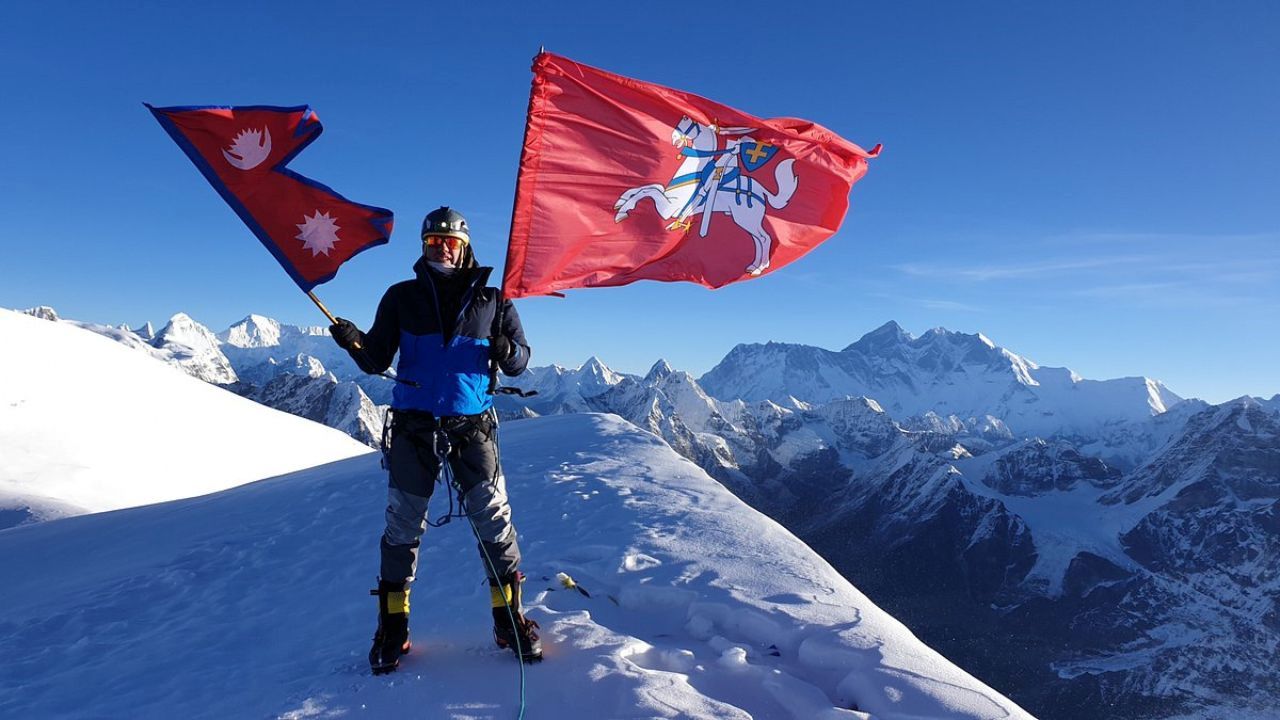
Not every trekking route in Nepal is suitable for winter. Heavy snowfall and icy trails make some high passes difficult or unsafe for you. However, several popular and moderate routes remain accessible during winter, offering breathtaking scenery, peaceful trails, and cultural experiences. Here are the best options for winter trekking in Nepal.
The Ghorepani Poon Hill trek is perfect for beginners and first-time winter trekkers. The trail passes through rhododendron and pine forests, which may be lightly dusted with snow in winter, creating magical scenery. From Poon Hill, you can get one of the clearest panoramic views of the Annapurna and Dhaulagiri ranges.
Because it is a lower-elevation trek (2,500 to 3,200 meters), temperatures are manageable, and teahouses remain mostly open during winter.
Langtang Valley is a great choice for winter trekking due to its moderate altitude (3,000 to 3,800 meters). The trail passes through villages, monasteries, and snow-dusted forests. You can enjoy stunning views of Langtang Lirung and other peaks, often clear during winter. Fewer trekkers visit Langtang in winter, providing a quiet and authentic cultural experience with locals who warmly welcome visitors.
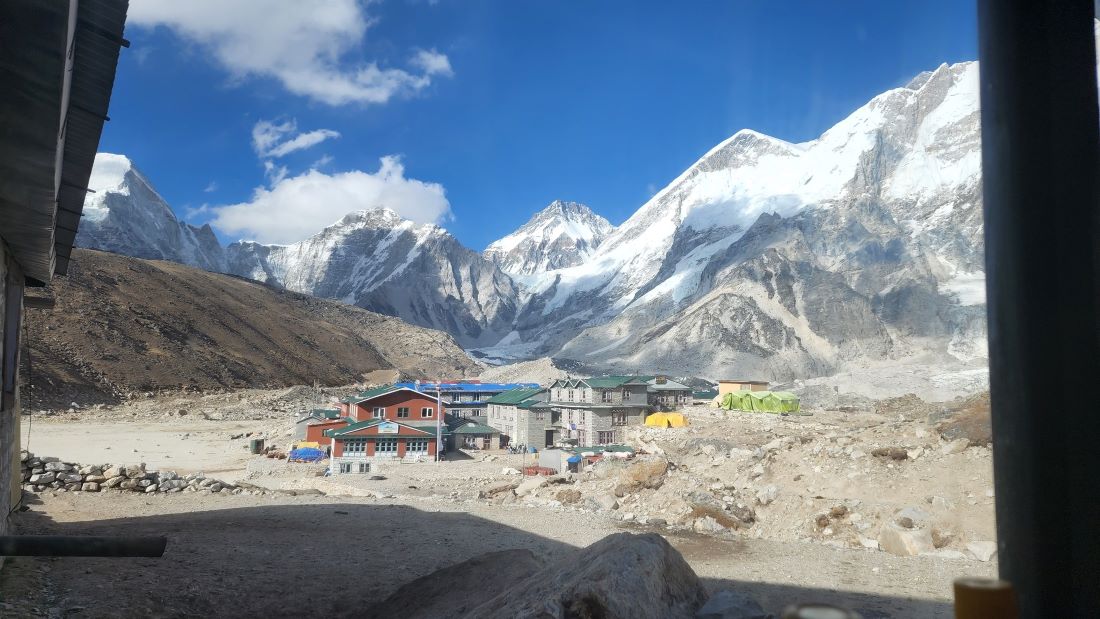
Everest Base Camp is accessible during winter, but you must be well-prepared. The high passes and glaciers remain icy, and temperatures at EBC can drop below -20°C at night. However, winter brings some of the clearest views of Everest and its surrounding peaks, as skies are usually cloud-free.
Winter trekking in Khumbu is ideal for experienced hikers who have proper gear, a guide, and enough flexibility in their itinerary to handle weather changes.
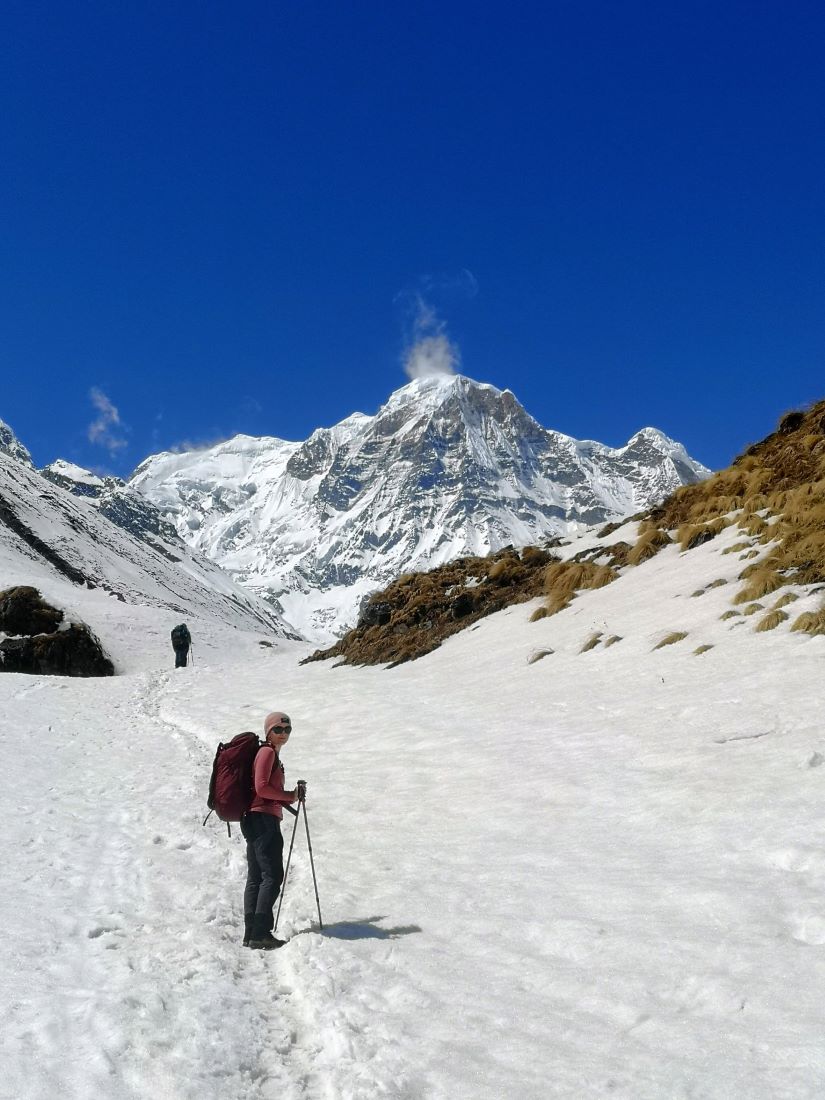
The Annapurna Base Camp trek remains accessible in winter, particularly at lower elevations. Snow enhances the beauty of the sanctuary, and trekkers can experience the famous “mountain landscape” with fewer crowds. The trail passes through forests and terraced villages, offering cultural encounters along the way. High-altitude sections may be icy, so trekking poles and microspikes are recommended.
There are lower-elevation alternatives for travelers who want the winter trekking without facing extreme cold or snow, such as:
These routes remain safe and enjoyable even with light snow. They are also perfect for families or travellers who are not used to high altitudes.
Winter trekking routes offer something for every level of trekker, from easy scenic walks to challenging high-altitude adventures. The key is to choose routes that match your fitness level, your experience, and your comfort with cold weather. With the right preparation, you can enjoy snow-covered trails, cultural experiences, and some of the clearest mountain views of the year.
Winter trekking in Nepal is not for everyone. The cold, snow, and shorter daylight hours can be challenging, but for certain travellers, winter offers an unforgettable experience. Understanding who benefits most from this season helps decide whether it is the right choice.
If you have prior trekking experience, winter trekking can be both safe and rewarding. Experienced trekkers understand how to:
High-altitude treks like Everest Base Camp or Annapurna Base Camp require experience, proper gear, and good physical conditioning.
Winter provides unique opportunities for photography. The clear skies, crisp air, and snow-covered peaks create some of the most dramatic Himalayan landscapes. Wildlife may also be more visible in certain regions, like the lower Annapurna or Langtang areas. Nature lovers can enjoy many things, such as:
Winter trekking allows you to capture scenes that are nearly impossible during busy spring or autumn seasons.
Winter is perfect for those who prefer peace against the crowds. Many popular trekking routes are almost empty, providing a private experience with nature. Some of the benefits include:
Winter is off-season, and trekking costs are usually lower. Accommodations, guides, and transport services often offer discounts. If you want the Himalayan experience while spending less money, winter trekking is a smart choice.
Winter trekking adds an extra sense of adventure. Snow-covered trails, icy paths, and the challenge of managing cold conditions appeal to travellers who love overcoming physical and mental challenges. For many adventure seekers, the combination of solitude, dramatic scenery, and physical challenge makes winter trekking one of the most rewarding experiences in Nepal.
So, we can say that winter trekking is ideal for:
For beginners, lower-elevation routes like Ghorepani Poon Hill or Helambu are safer options. High-altitude winter trekking is best suited for those who are physically prepared and have experience with cold mountain conditions.
While winter trekking in Nepal has many advantages, it is not suitable for every traveler. Some conditions and personal limitations may make winter trekking uncomfortable, risky, or less enjoyable. Understanding these factors will help you make the right choice before planning your journey.
Winter temperatures, especially at higher altitudes, can drop below -20°C at night. Even lower-elevation trails can feel very cold in early mornings or evenings. If you are sensitive to cold or not used to low temperatures, you may struggle with:
If you dislike cold weather or cannot tolerate freezing nights, winter trekking may not be the best choice.
Winter trekking will require specialised clothing and equipment. You may face discomfort or even danger without the right gear. Some of the essential items include:
Lower-elevation treks may be more manageable. You must avoid high-altitude routes in the winter season if you don’t have proper winter gear.
Some trekking routes include high mountain passes, like Thorong La on the Annapurna Circuit (5,416 m). In winter, snow and ice can make these passes dangerous or completely impassable. Attempting these routes without experience and guidance will increase the risk for you.
The winter season is generally not recommended unless you are experienced, well-prepared, and accompanied by an expert guide for treks that require high passes.
If you like to enjoy meeting other trekkers, visiting busy teahouses, or experiencing social trekking environments, winter may feel too quiet. Many popular trails are almost empty in winter, which is peaceful, but you may feel isolated if you like crowds.
Some high-altitude teahouses and lodges close during winter due to extreme cold and fewer visitors. This may limit accommodation options on certain routes. If you are a trekker who prefers full-service facilities, you may find winter trekking challenging.
In winter, daylight lasts about 10 hours compared to 12–13 hours in spring and autumn. Shorter days mean:
Travelers unprepared for shorter trekking days may find winter schedules difficult. Winter trekking may not be ideal if:
Understanding these limitations helps you to choose appropriate routes, gear, and expectations, ensuring a safer and more enjoyable experience.

Winter trekking in Nepal requires proper gear to stay warm, safe, and comfortable. Cold temperatures, snow, and icy trails make preparation essential. With the right equipment, you can enjoy the beauty of the Himalayas without discomfort or risk.
Layering is key to staying warm and adjusting to changing temperatures. Some of the recommended clothing includes:
Layering allows you to add or remove clothing depending on activity level and weather, preventing overheating or excessive cold.
Proper trekking equipment ensures your safety and comfort on snowy and icy trails. Some of the essential equipment includes:
Equipment should be tested before you start the trek to ensure proper fit and function.
Winter nights can be extremely cold. Staying warm while resting is crucial. That’s why you will need:
Safety gear and emergency items are essential for high-altitude treks, especially in remote areas.
Even optional items can significantly improve comfort and the overall trekking experience. Proper winter trekking gear combines warm clothing, sturdy equipment, and safety essentials. Preparation ensures you can enjoy snow-covered trails, crisp air, and clear mountain views without unnecessary discomfort.
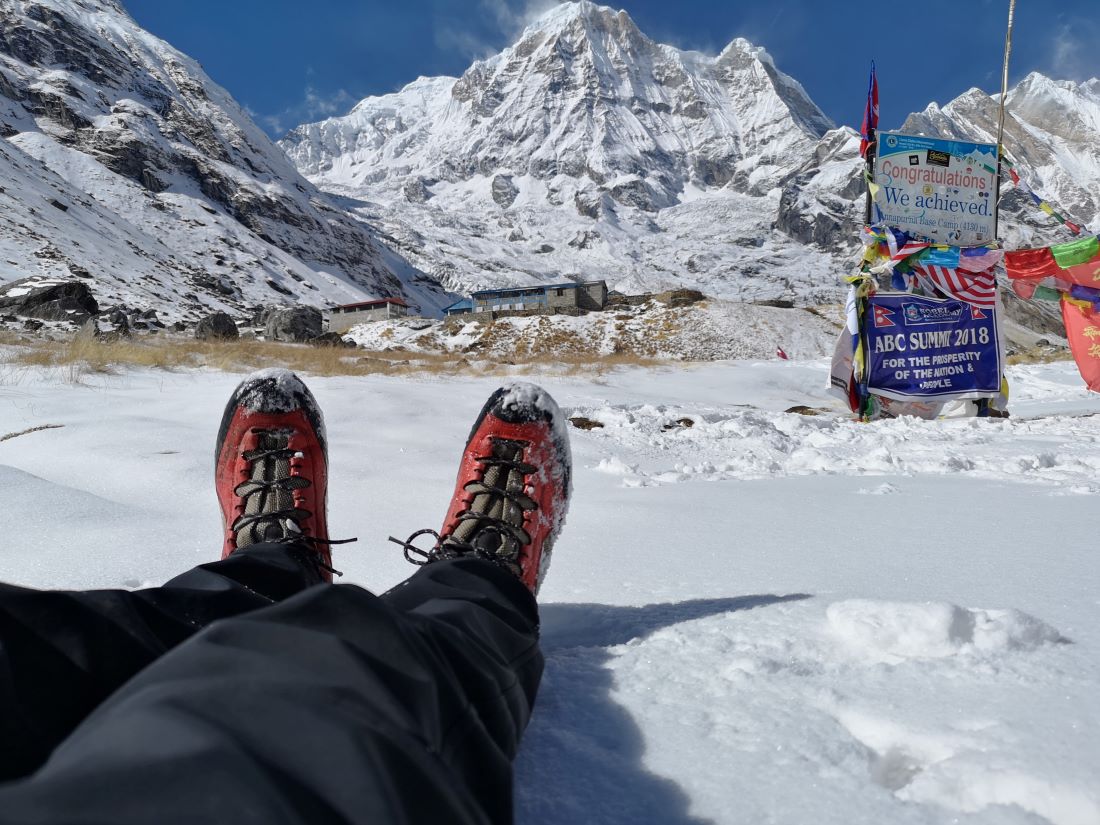
Trekking in Nepal during winter can be safe and enjoyable if proper precautions are taken. Cold temperatures, snow, ice, and shorter days require careful planning and awareness. Following basic safety tips ensures a memorable and accident-free experience.
Winter weather in the mountains can change quickly. Snowstorms, high winds, or fog may appear suddenly. Before starting each day, you must:
Being informed will help you adjust plans and avoid risky situations.
Even experienced trekkers benefit from local guidance in winter, such as:
Guides also provide you with insight into local culture and emergency support if needed.
Proper clothing prevents cold-related issues like hypothermia or frostbite, and you need to:
Staying warm and dry is essential, especially at high altitudes.
Winter trails may be icy or covered in snow. Trekking poles, crampons, and gaiters increase safety for you, such as:
Careful movement and proper gear reduce the risk of falls or injuries.
Short winter days mean daylight is limited:
Avoid trekking after dark to reduce risks of slips, falls, or getting lost.
Cold weather can make trekkers forget to drink water, but hydration is essential, and you need to:
Staying nourished might help you maintain energy and reduce fatigue.
Winter does not reduce the risk of altitude sickness. So you will need to:
Proper acclimatisation can ensure your safety on high-altitude routes like Everest Base Camp or Annapurna Base Camp.
Being prepared for emergencies is especially important in winter when conditions can change quickly. Winter trekking is safe when trekkers combine careful planning, proper gear, and awareness of weather and altitude risks. Following these tips, you will minimise the danger and allow you to enjoy the mountains’ winter beauty fully.
Winter trekking in Nepal is often more affordable than spring or autumn. The off-season brings fewer trekkers, which lowers prices for accommodation, guides, and transportation. Winter can be an ideal time for budget-conscious travellers to explore the Himalayas without compromising the experience.
Many teahouses and lodges lower their rates during winter due to fewer tourists. You can expect:
Booking in advance is usually not required, except for popular routes like Everest Base Camp or Annapurna Base Camp.
Hiring guides and porters can be cheaper in winter, such as:
Hiring a guide is highly recommended for you in winter trekking, especially at higher altitudes.
Flights to mountain airstrips (e.g., Lukla, Jomsom) are sometimes cheaper in winter. Bus services to trekking starting points like Pokhara or Syabrubesi are affordable year-round. Off-season travel reduces competition and allows you better bargain.
Trekking permits, including TIMS and national park entry fees, remain the same throughout the year. Some examples include:
These costs are fixed and do not increase during winter.
The prices for meals and tea remain similar in winter to other seasons. Off-season discounts may apply in quieter teahouses. Mostly, typical costs will be around:
Carrying snacks can reduce dependence on teahouses at higher altitudes.
Winter trekking is cost-effective, offering discounts on accommodation, guides, and transport. By planning carefully and choosing suitable routes, you can experience the Himalayas at a lower cost while enjoying quieter trails and stunning scenery.
Proper preparation is the key to a safe and enjoyable winter trekking experience in Nepal. Unlike spring or autumn, winter presents cold temperatures, icy trails, and shorter daylight hours, which require careful planning. With the right preparation, you can fully enjoy the beauty of the Himalayas without unnecessary stress.
Winter trekking can be more physically demanding due to snow, ice, and cold weather. Some of the steps to prepare include:
Being physically prepared makes walking on icy trails safer and more comfortable.
Winter trekking requires specialised clothing and equipment. To prepare, you need to:
Proper gear ensures your warmth, comfort, and safety in cold conditions.
Winter conditions require careful route selection, and you should:
Routes like Ghorepani Poon Hill, Helambu, and Langtang Valley are popular winter choices, while Everest Base Camp or Annapurna Base Camp require higher preparation and experience.
Before starting your trek, ensure all permits and documents are ready, such as
You should carry copies of important documents in case of emergencies.
Winter trekking is quieter and slower than the peak seasons. Preparing mentally is important:
A calm and flexible mindset enhances enjoyment and safety.
Some of the health and safety preparations that you should make are:
Preparation ensures that winter trekking is both safe and enjoyable.
Successful winter trekking in Nepal requires physical fitness, the right gear, careful route planning, permits, mental readiness, and health precautions. Trekkers who prepare well can fully enjoy quiet trails, snow-covered landscapes, and breathtaking mountain views.
Trekking in Nepal is not just about mountains and views. It’s also about respecting nature and local communities. Winter trekking can have an impact on fragile ecosystems, so responsible practices are essential. By following simple guidelines, you can protect the environment while enjoying the Himalayas.
Mountain villages are home to families who live in close connection with nature. In winter, life slows down even more, and locals may have fewer visitors. To respect them, you should:
Winter trekking provides a unique opportunity for meaningful cultural exchange, as fewer tourists allow more personal interaction with locals.
Waste management is a major challenge in remote trekking regions. Everyone should:
Snow can cover waste temporarily, but it doesn’t disappear. Keeping trails clean protects wildlife and preserves the beauty of the mountains for the future.
Snow may obscure trails, but it’s important to stay on marked paths:
Sticking to trails prevents soil erosion, protects plant life, and reduces environmental impact.
In winter, energy resources in remote lodges may be limited. So, you should:
Being mindful of energy use supports sustainable trekking and reduces environmental impact.
Some animals hibernate during winter, while others may venture closer to villages for food. Trekkers should:
Respecting wildlife ensures the ecosystem remains balanced and healthy.
Responsible trekking includes planning for safety, and you should always carry:
Prepared trekkers will always minimise the risk and avoid putting local communities or rescue teams under stress.
Responsible winter trekking combines respect for locals, careful waste management, sticking to trails, conserving resources, and wildlife awareness. By trekking sustainably, travellers ensure the Himalayas remain pristine for future generations while enjoying a meaningful winter adventure.
Winter trekking in Nepal raises many questions, especially for first-time trekkers. Here’s a comprehensive FAQ section with more than 30 questions and answers, covering weather, safety, gear, and planning.
1. When is winter in Nepal?
Winter in Nepal lasts from December to February, with January being the coldest month.
2. Is winter trekking safe in Nepal?
Yes, winter trekking is safe in Nepal if you are properly prepared with suitable gear, a flexible itinerary, and awareness of weather conditions.
3. Which areas are best for winter trekking?
The popular winter treks include Ghorepani Poon Hill, Helambu, Langtang Valley, Annapurna Base Camp, and Everest Base Camp.
4. Do I need a guide for winter trekking?
Yes, a guide is mandatory for every trek and even more needed during winter trekking.
5. Can beginners trek in winter?
Yes, beginners can trek in winter on lower-elevation routes like Ghorepani Poon Hill, Helambu, and Chisapani–Nagarkot. High-altitude treks require experience.
6. How cold does it get at night?
Night temperatures can drop below -10°C at mid-elevations and -20°C at high elevations.
7. Will it snow during my trek?
Snow is common at high elevations. Lower-elevation trails may have light snow or frost.
8. Are the days sunny in winter?
Yes, the days are sunny in winter. Winter often brings clear skies and crisp mountain views, especially in the morning.
9. How short are daylight hours?
Winter daylight lasts around 10 hours, from roughly 6:45 AM to 5:30 PM.
10. Can flights to mountain airstrips be delayed?
Yes, snow, fog, or wind can delay flights, especially to Lukla or Jomsom.
11. What clothing is essential?
Layered clothing: thermal base layers, fleece, down jackets, gloves, hats, and waterproof pants are essential.
12. Do I need special boots?
Yes, insulated, waterproof trekking boots are essential for snow and ice.
13. Are crampons or microspikes necessary?
Yes, crampons or microspikes are recommended for icy sections at higher elevations.
14. Do I need a winter sleeping bag?
Yes, a sleeping bag rated for -10°C or lower is recommended at high altitudes.
15. Can I rent winter gear in Nepal?
Yes, you can rent or buy in Nepal, but quality may vary. It’s better to bring your own for comfort and reliability.
16. Is altitude sickness a concern in winter?
Yes, winter does not reduce altitude risk. Proper acclimatisation is necessary.
17. How can I prevent hypothermia?
You should dress in layers, stay dry, and avoid prolonged exposure to wind or snow to prevent hypothermia .
18. Are lodges heated?
Most lower- and mid-elevation lodges provide stoves, but high-altitude lodges may be cold.
19. Should I carry a first aid kit?
Yes, you should carry a first aid kit including altitude sickness medication, pain relievers, and blister care.
20. Is trekking insurance necessary?
Yes, trekking insurance is strongly recommended. You should choose insurance covering trekking, medical emergencies, and evacuation.
21. Can I find food easily in winter?
Yes, you can find food easily in winter, but some high-altitude lodges may have limited menus. That’s why you must carry extra snacks.
22. Should I boil water in winter?
Yes, you should boil water to ensure safe drinking water. Some lodges offer bottled water.
23. What meals are recommended?
High-energy foods like noodles, rice, soups, and hot drinks are recommended, and they help maintain warmth.
24. Is alcohol safe in cold weather?
No, you should avoid alcohol in cold weather. It lowers body temperature and increases frostbite risk.
25. Can I drink tea or coffee in winter?
Yes, hot drinks help keep you warm, but balance them with water for hydration.
26. Which is the easiest winter trek?
Ghorepani Poon Hill and Helambu are considered beginner-friendly for winter trek.
27. Can I do the Everest Base Camp in winter?
Yes, experienced trekkers with proper gear and a guide can do the Everest Base Camp in winter.
28. Are high passes accessible in winter?
Some high passes may be blocked by snow or ice. So, you must avoid it unless experienced.
29. How long should I plan for winter treks?
You should plan for winter treks such as:
30. Is Langtang Valley suitable for winter?
Yes, Langtang Valley is moderately difficult and offers snow-dusted valleys and cultural experiences.
31. Is winter trekking cheaper?
Yes, accommodation, guide services, and transport are generally cheaper in the off-season.
32. Are permits cheaper in winter?
No, trekking permits remain the same year-round.
33. Can I negotiate guide and porter fees?
Yes, winter is off-season, so bargaining is easier.
34. Can I trek solo in winter?
No, you cannot trek solo in any season because trekking with a guide or group is safer, especially in high-altitude regions.
35. Are lodges crowded in winter?
No, trails are quieter, and lodges have fewer visitors.
36. Can I do winter trekking with children?
Lower-elevation treks are suitable for children, but you must avoid high-altitude routes.
37. Is mobile connectivity available?
Mobile connectivity is limited at high altitudes, but most lower-elevation lodges have network coverage.
38. What’s the best month for winter trekking?
The best months for winter trekking are late December to early February, which provide clear skies and snowy scenery.
39. Can I photograph the mountains in winter?
Yes, winter offers some of the clearest mountain views for photography.
40. What should I do in emergencies?
You should contact guides, lodge owners, or local rescue services. Carry communication devices and first aid.
Winter trekking in Nepal may seem challenging, but with preparation, the right gear, and awareness of conditions, it is safe and highly rewarding. These FAQs cover nearly all aspects that new or experienced trekkers need to know.
Winter trekking in Nepal offers a unique and unforgettable experience. While colder temperatures, snow, and shorter days present challenges, the season rewards trekkers with peaceful trails, clear skies, stunning snow-covered peaks, and deeper cultural connections.
Winter trekking is not suitable for everyone. Travelers who are sensitive to cold, lack proper gear, or are inexperienced with high-altitude snow conditions should consider lower-elevation routes or wait for spring and autumn. Shorter daylight hours and limited lodge availability at high altitudes require careful planning.
For prepared and adventurous travellers, winter trekking in Nepal is truly worth it. The season offers a rare opportunity to experience the Himalayas in a calm, serene, and almost magical setting. If you are ready to embrace cold weather, quiet trails, and sparkling snow landscapes, winter trekking can become one of the most memorable journeys of your life.
Nepal’s mountains reveal their purest beauty in winter, and the sense of solitude and accomplishment is unmatched. Whether you are a seasoned trekker, a photographer, or someone seeking peace and adventure, winter in Nepal is an extraordinary time to explore.
 25+ years of trusted experience Local experts with personal care Safe, budget-friendly & customized treks Real stories, real people, real mountains
 DM us now for your dream Himalayan journey!