
Nepal is known around the world for its towering mountains, ancient culture, and unforgettable trekking routes. Every year, thousands of travellers arrive in Kathmandu with dreams of walking beneath the world’s highest peaks and experiencing the Himalayas up close. Famous routes attract large numbers of trekkers, but many visitors today are looking for something quieter, more personal, and easier to fit into a short travel schedule.
Hidden short treks are becoming a popular choice for people who want to experience the beauty of Nepal without long expeditions or crowded trails. These treks usually take four to five days and offer incredible scenery, cultural encounters, and peaceful walking paths. They are ideal for travellers who want real Himalayan experiences but have limited time or prefer fewer demanding routes.
When people think about trekking in Nepal, they often imagine long, high-altitude journeys that take weeks to complete. While those routes are spectacular, they are not the only way to enjoy the Himalayas. These are lesser-known trekking routes that pass through traditional villages, green forests, and panoramic viewpoints across the hills and valleys of Nepal.
These trails remain peaceful because they are not heavily promoted, yet they offer stunning mountain views and authentic cultural experiences. Hidden treks allow visitors to:
For many travellers, these quiet trails create stronger memories than busy trekking routes.
Trekking has become more popular than ever in the recent years. Improved access, social media exposure, and global travel trends have brought large numbers of visitors to Nepal’s most famous routes.
While tourism supports local livelihoods, overcrowding can sometimes reduce the peaceful feeling many trekkers seek. Busy trails can lead to:
Hidden treks offer a refreshing alternative. You can enjoy the sound of wind through trees, prayer flags fluttering in the distance, and the gentle rhythm of village life instead of walking with large groups.
Modern travellers often have limited vacation time. Many visitors combine trekking with cultural tours, wildlife safaris, or international travel. A four to five days trek fits perfectly for you into a one- or two-week Nepal itinerary. Short treks provide you:
These treks are also excellent for first-time visitors who want to test their comfort with hiking in the Himalayas before attempting longer journeys.
One common misconception is that trekking in Nepal is only for experienced hikers. Many short routes are suitable for beginners with basic fitness in the reality. Hidden short treks usually feature:
This makes them ideal for:
With the right preparation and a steady pace, almost anyone can complete these treks.
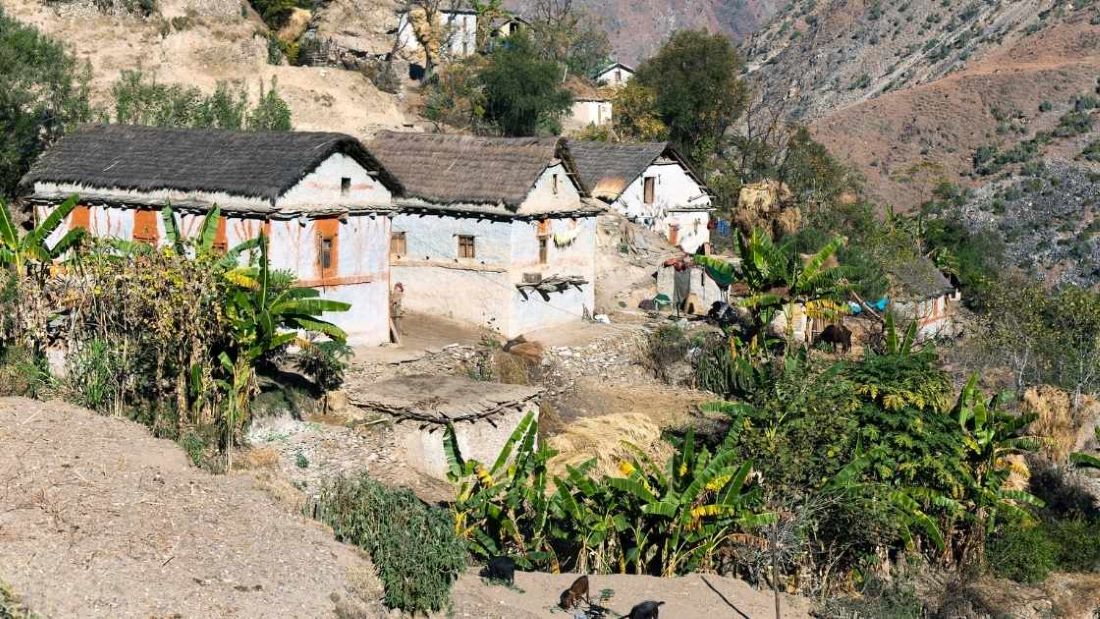
One of the greatest rewards of trekking in Nepal is meeting the people who live in the mountains. Hidden trails often pass through villages where traditional lifestyles remain strong till now. You may experience:
Because these routes see fewer tourists, interactions often feel more genuine and meaningful.
Short treks are also budget-friendly. Travellers spend less on accommodation, meals, and guide services with less trekking days. Transportation costs are also lower because many hidden routes are closer to cities or accessible by short drives. This makes them ideal for:
You do not need expensive gear or long expedition planning to enjoy these routes.
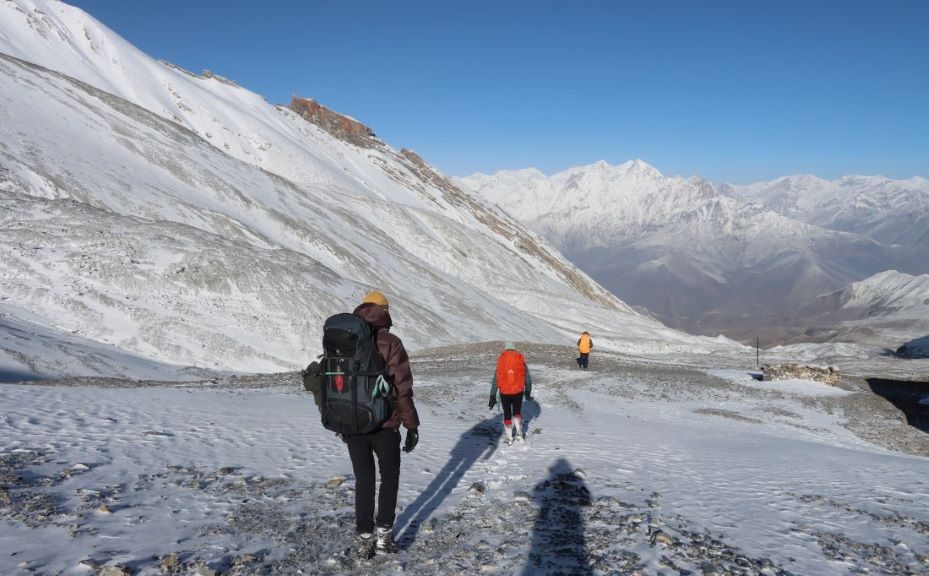
Altitude sickness is one of the main concerns when trekking in high mountains. Many famous routes climb above 5,000 meters, where altitude risks increase.
Most hidden short treks stay below extreme altitudes, allowing trekkers to enjoy mountain scenery while reducing health risks. With gradual ascents and comfortable daily distances, these routes offer a safer introduction to Himalayan trekking.
Hidden four to five days treks are ideal for:
Whether you are visiting Nepal for the first time or returning to explore deeper, these lesser-known routes provide an unforgettable journey.
Trekking in Nepal is one of the most beautiful travel experiences in the world. Walking through forests, crossing suspension bridges, and seeing snow-covered peaks rising above the clouds creates memories that last forever. However, every trekking route doesn’t offer the same experience. Some trails have become extremely busy, especially during peak seasons.
Many trekkers begin their journey from Kathmandu and head toward famous destinations. While these routes are popular for good reasons, overcrowding can change the peaceful nature of trekking. Choosing quieter trails can make your journey more relaxing, meaningful, and connected to nature.
Below are the key reasons why avoiding crowded trekking routes can greatly improve your Himalayan experience.
Trekking is not only about reaching a destination. It is about the journey, the sounds of nature, the rhythm of walking, and the feeling of calm that comes from being in the mountains. On busy trails, you may encounter:
In contrast, hidden routes allow you to walk at your own pace, stop whenever you wish, and enjoy the silence of the mountains.

One of the greatest gifts of the Himalayas is silence. Away from traffic, technology, and city noise, the mountains offer deep peace. On quieter trails, you can hear the following:
This peaceful environment helps reduce stress and allows trekkers to feel fully present in nature.
Busy trekking routes often receive thousands of visitors each season. While this supports tourism, interactions with local people may feel rushed or commercial. On lesser-known trails, visitors can experience:
Because fewer tourists pass through, local people often have more time to share stories, culture, and traditions.
Popular trekking routes face environmental pressure due to heavy foot traffic. Waste management, trail erosion, and resource strain can become serious challenges. Overcrowding can lead to:
By choosing less crowded trails, trekkers help distribute tourism benefits while reducing stress on heavily used routes. Responsible trekking supports long-term environmental protection.
On busy trails during peak seasons, tea houses can fill quickly. You may need to:
Hidden routes usually offer quieter lodges with relaxed service and more personal attention. Meals are often prepared fresh, and evenings feel calm and welcoming.
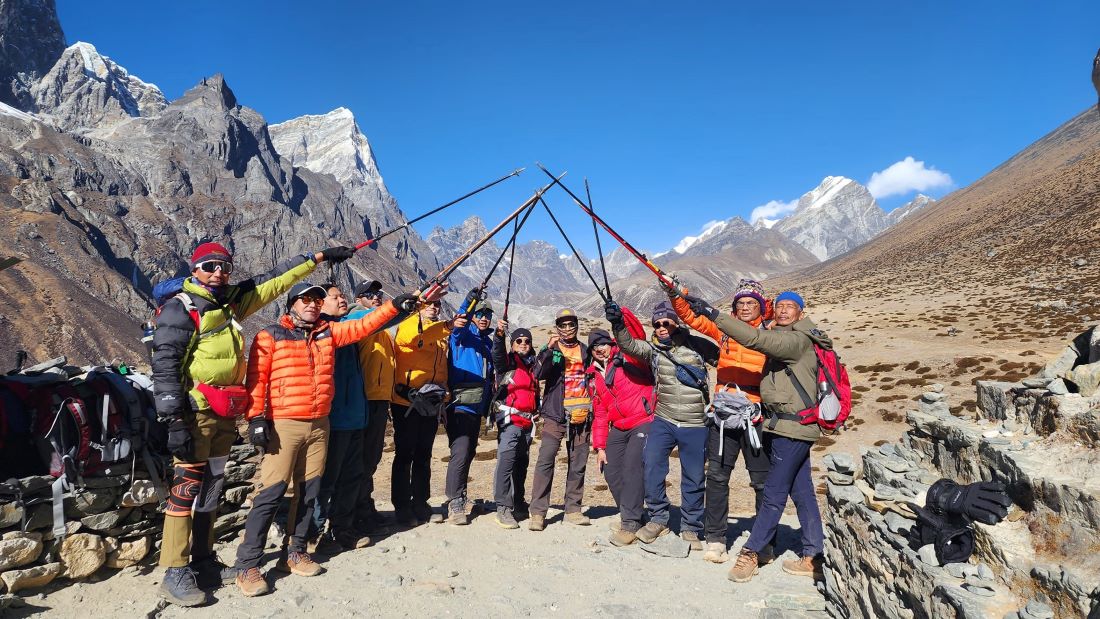
Trekking should feel natural and comfortable. On crowded trails, you may feel pressure to keep moving with the flow of people. This can reduce enjoyment and create unnecessary fatigue. Quiet routes allow you to:
This freedom creates a more personal and enjoyable trekking experience.
For photographers and content creators, crowded trails can make it difficult to capture natural scenes. Busy viewpoints often require waiting for space, and large groups may appear in photos. Less crowded routes provide you:
These conditions are ideal for storytelling, travel blogs, and video content.
Modern travel is changing. Many travellers now watchout for meaningful experiences instead of simply visiting famous locations. Hidden treks offer opportunities to slow down and connect deeply with the environment and local communities. Trekkers often return from quiet routes feeling the following:
These experiences can be more powerful than reaching a crowded destination.
When travellers explore lesser-known trails, they bring income to villages that receive fewer tourists. This supports:
Choosing hidden routes helps spread tourism benefits more fairly across regions.
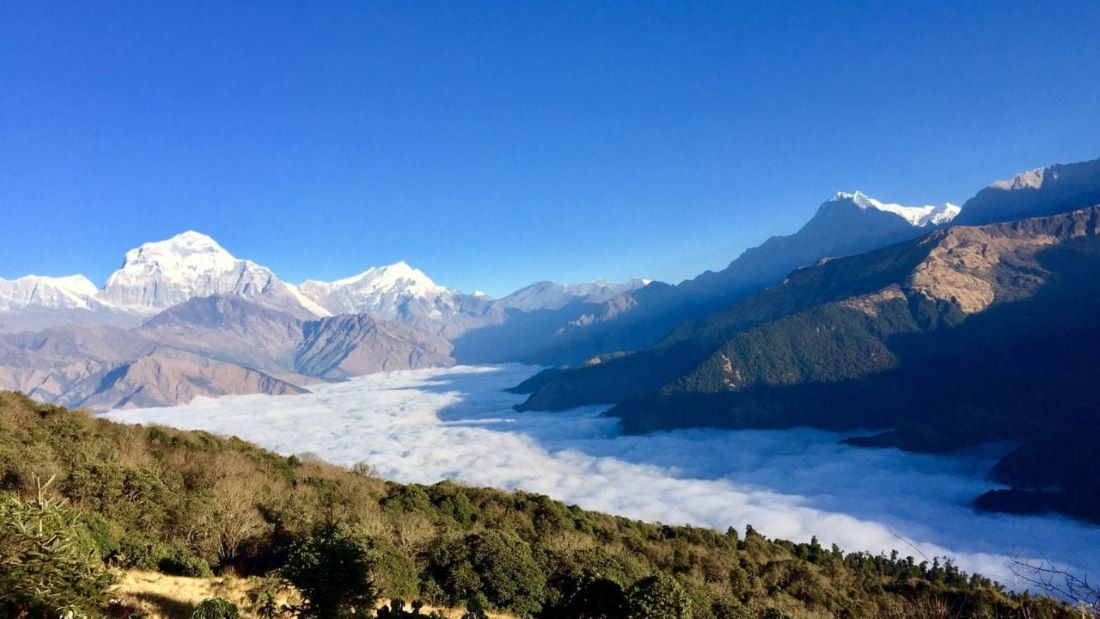
Popular routes remain famous for good reasons. They offer iconic landscapes and well-developed infrastructure. However, if your goal is peace, authenticity, and a relaxed journey, quieter alternatives can provide a more rewarding experience.
Avoiding crowded trekking routes does not mean missing out. Instead, it opens the door to deeper connection, peaceful landscapes, and authentic cultural encounters.
Many people dream of trekking in Nepal but hesitate because they believe it requires extreme fitness, mountaineering skills, or high-altitude experience. The truth is very different. Nepal offers many routes that are suitable for beginners, including first-time hikers and travellers who simply enjoy walking in nature.
If you are starting your journey from Kathmandu, you will find several short treks that provide beautiful scenery without extreme physical demands. Understanding what makes a trek beginner-friendly can help you choose the right route and enjoy your adventure with confidence. Below are the key factors that define a beginner-friendly trek.
Altitude plays a major role in trekking difficulty. As elevation increases, oxygen levels decrease, which can lead to altitude sickness if the body does not adjust properly. Beginner-friendly treks usually:
Lower altitudes reduce health risks and make trekking more comfortable for first-time visitors.
Walking distance is another important factor. Some treks require long, exhausting days, while beginner routes keep daily hiking doable. Typical beginner-friendly schedules include such as:
This pace allows you to enjoy the journey instead of rushing to the next destination.
Navigation is an important concern for new trekkers. Beginner-friendly routes usually have clear trails that are easy to follow. These trails often feature:
Even without advanced navigation skills, you can feel confident staying on the correct path.
One reason Nepal is ideal for beginner trekkers is the tea house system. Along many trekking routes, local lodges provide food, shelter, and a place to rest. Tea houses offer:
This eliminates the need to carry camping equipment, making trekking easier and more enjoyable.

Routes that climb slowly allows your body to adapt naturally. Sudden elevation gains increase fatigue and altitude risk. Beginner-friendly treks typically:
This makes the journey safer and less physically stressful.
Hospitality is a key part of trekking in Nepal. Villages along beginner-friendly routes are accustomed to welcoming travellers. You can often experience:
This supportive environment makes beginners feel comfortable and welcome.
Some treks allow flexibility based on your fitness level and weather conditions. Beginners can shorten walking days or adjust routes if needed. Flexible routes may include:
This flexibility provides peace of mind for first-time trekkers.
Beginner-friendly treks avoid technical climbing or dangerous terrain. Trails are generally safe and do not require special equipment. These routes avoid:
A good pair of hiking boots and basic gear are usually enough.
A beginner trek should feel rewarding and inspiring. The routes that offer beautiful scenery and cultural experiences help maintain motivation and enjoyment. You may enjoy:
These experiences make your journey meaningful and memorable.
You do not need to be an athlete to complete a beginner-friendly trek. However, basic fitness improves comfort and enjoyment. Helpful preparation includes:
Even moderate preparation can greatly improve your trekking experience.
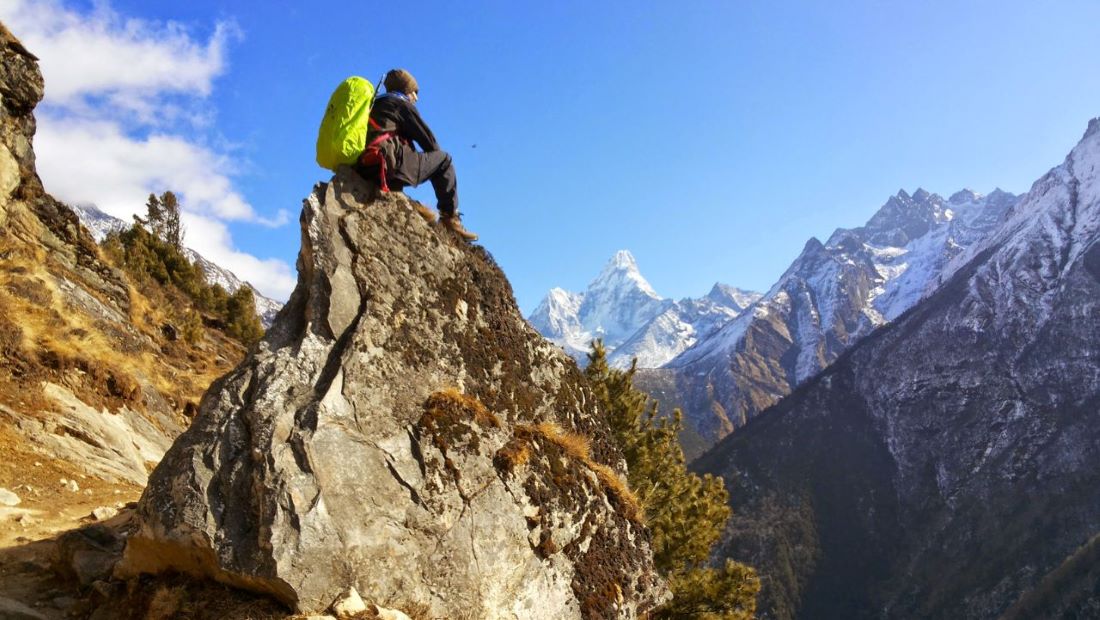
These routes are perfect for:
Beginners can enjoy the Himalayas safely and confidently with the proper preparation and a positive mindset. Choosing the right trek is the first step toward an enjoyable adventure. The beginner-friendly routes offer comfort, safety, and unforgettable scenery without extreme physical demands.
Nepal is a country of dramatic landscapes and changing weather. Choosing the right season for a short trek can greatly enhance your experience, whether your goal is clear mountain views, colorful landscapes, or cultural immersion. The Himalayas offer trekking opportunities year-round, but each season has its advantages and challenges. Understanding the best time to trek helps you plan better, stay safe, and enjoy the scenery at its peak.
Spring is widely considered the best time for trekking in Nepal, especially for short routes. Here are some reasons why spring is great:
Some of the advantages for beginners are given below:
Some of the tips that you need to know before trekking in spring are:
Autumn is another ideal trekking season, known for its stable weather and panoramic views. Here are some reasons why autumn is great:
Some of the advantages for beginners:
These are the tips that you should know before trekking in autumn:
Winter treks offer a quiet and peaceful experience, perfect for those travellers who enjoy solitude. These are the reasons why winter trekking can be great for you:
Some of the challenges you can face are:
The winter trekking tips for you are:
The monsoon season is also avoided by most of the trekkers because of the heavy rainfall, landslides, and slippery trails. However, short treks can still be enjoyable in certain areas. The reasons why the monsoon season can work are the following:
Some of the challenges you may face are:
The tips that you must know before trekking in the monsoon are:

Short treks in Nepal are possible any time of the year, but choosing the right season can dramatically improve your experience. Spring and Autumn remain the safest and most enjoyable for beginners. Winter offers you peace and solitude, while the monsoon is for the adventurous travellers willing to embrace wet trails and green landscapes.
If you want to see the highest mountain in the world without walking the crowded Everest Base Camp route, The Pikey Peak Trek is the perfect choice. This hidden gem is located in the Solukhumbu region of Nepal and can be completed in just 4 to 5 days, making it ideal for travellers with limited time.
Pikey Peak offers breathtaking mountain views, colorful forests, traditional Sherpa villages, and peaceful trails. It is considered one of the best short treks for beginners and photographers alike.
Pikey Peak sits at an elevation of 4,065 meters. It is part of the eastern Himalayas in the Solukhumbu district, the same region that hosts Mount Everest. The trek starts from Salleri, the district headquarters, and passes through quiet villages and rolling green hills before reaching the viewpoint.
Unlike Everest Base Camp, which sees hundreds of trekkers each day, Pikey Peak remains peaceful and uncrowded. This allows visitors to enjoy the scenery in peace.
Along the trek, you can visit small monasteries where Buddhist monks live and practice. Local festivals, prayer wheels, and the fluttering prayer flags offer insight into the region’s rich spiritual life. Travellers often describe these encounters as memorable and peaceful.
This itinerary allows for gradual acclimatization and keeps walking hours manageable for beginners.
Pikey Peak Trek is the perfect blend of mountain adventure, culture, and peace. It is an excellent introduction to the Solukhumbu region for anyone wanting to see Mount Everest without the crowds.

If you are looking for a short, peaceful trek close to Kathmandu, the Ama Yangri Trek is an excellent choice. Located in the Helambu region of Sindhupalchok district, this hidden trek takes 4 to 5 days and offers stunning Himalayan views, serene forests, and rich Buddhist culture.
Ama Yangri is perfect for beginners, solo travellers, and anyone who wants a quick escape into the mountains without spending weeks on the trail.
Ama Yangri, standing at 3,771 meters, is part of the Helambu Himalayan range. The trek is accessible from Kathmandu in about 5 to 6 hours by road to the trailhead. Unlike crowded treks like Everest Base Camp or Annapurna Circuit, Ama Yangri remains quiet and less visited.
The trail passes through small villages, dense forests, terraced fields, and Buddhist monasteries, offering a peaceful and culturally rich trekking experience.
The Helambu region is inhabited mostly by Tamang and Sherpa communities. Trekkers can experience:
Because this trek sees fewer tourists, cultural interactions feel genuine and meaningful.
This schedule provides gradual acclimatization and allows time for sightseeing and photography.
Ama Yangri Trek is a short, peaceful, and culturally rich Himalayan adventure. It is ideal for travellers who want to experience real mountain life, quiet trails, and magnificent views without spending weeks trekking.
Short treks in Nepal are possible any time of the year, but choosing the right season can dramatically improve your experience. Spring and Autumn remain the safest and most enjoyable for beginners. Winter offers you peace and solitude, while the monsoon is for the adventurous travellers willing to embrace wet trails and green landscapes.
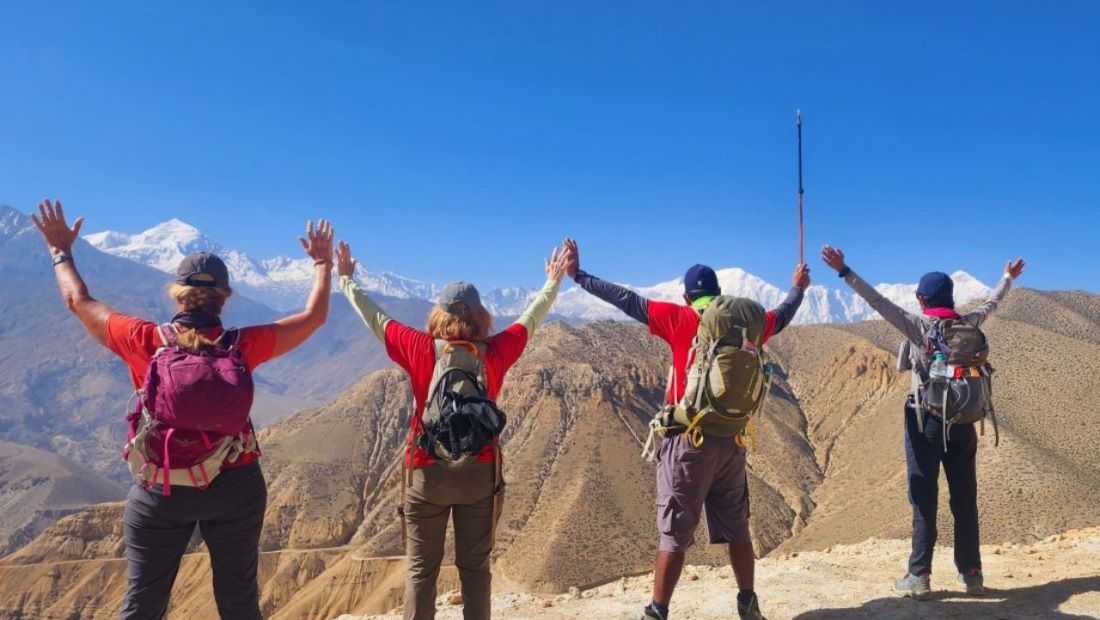
For trekkers seeking peaceful trails, stunning ridge views, and fewer crowds, the Khopra Ridge Trek in the Annapurna region is a perfect choice. This hidden gem can be completed in 4 to 5 days and offers sweeping Himalayan panoramas, sacred lakes, and quiet villages.
Khopra Ridge is ideal for beginners, photographers, and travellers who want a short but memorable Himalayan adventure away from busy trekking routes.
Khopra Ridge is located in the Myagdi district of the Annapurna region. The trek starts from Ghandruk, a charming Gurung village about 2 to 3 hours from Pokhara. From there, the trail climbs gently through terraced fields, forests, and remote villages before reaching the ridge.
The highest point, Khopra Danda, sits at 3,660 meters. From this ridge, trekkers enjoy panoramic views of the Annapurna and Dhaulagiri ranges, making it one of the most photogenic short treks in Nepal.
Khopra Ridge passes through Gurung communities who are known for their welcoming hospitality. Trekkers may experience:
Because the trail is less travelled, interactions with locals feel genuine and personal.
This schedule balances hiking, rest, and sightseeing, making it comfortable for beginners.
The Khopra Ridge Trek is a hidden jewel in the Annapurna region. It offers breathtaking ridges, sacred lakes, authentic village life, and quiet trails, making it one of the best short treks for beginners and photographers alike.

For trekkers seeking spiritual beauty, remote landscapes, and Himalayan serenity, the Dudhkunda Trek in the Solukhumbu region is an excellent choice. This hidden 4 to 5 days trek takes you to Dudhkunda Lake, a sacred alpine lake surrounded by mountains, forests, and peaceful Sherpa villages.
The Dudhkunda Trek is perfect for travellers who want less crowded trails, cultural encounters, and stunning scenery in a short period.
Dudhkunda Lake is located in the Solukhumbu district, east of the Everest region. The trek starts from Num, a small village accessible by road from Salleri or Lukla, depending on your route.
The highest point of the trek is around 4,560 meters, offering dramatic Himalayan views. Unlike the busy Everest Base Camp route, Dudhkunda sees very few visitors, allowing trekkers to enjoy quiet trails, authentic villages, and peaceful surroundings.
The trek passes through villages where Sherpa and Rai communities live traditionally. Trekkers can experience:
The cultural element adds depth to the trekking experience, making it more than just a hike.
This schedule allows gradual acclimatization, time for photography, and peaceful exploration.
Dudhkunda Trek is a hidden jewel in Solukhumbu that combines spirituality, culture, and Himalayan scenery. Its short duration and moderate difficulty make it an excellent choice for anyone wanting a peaceful 4 to 5 days adventure in Nepal.
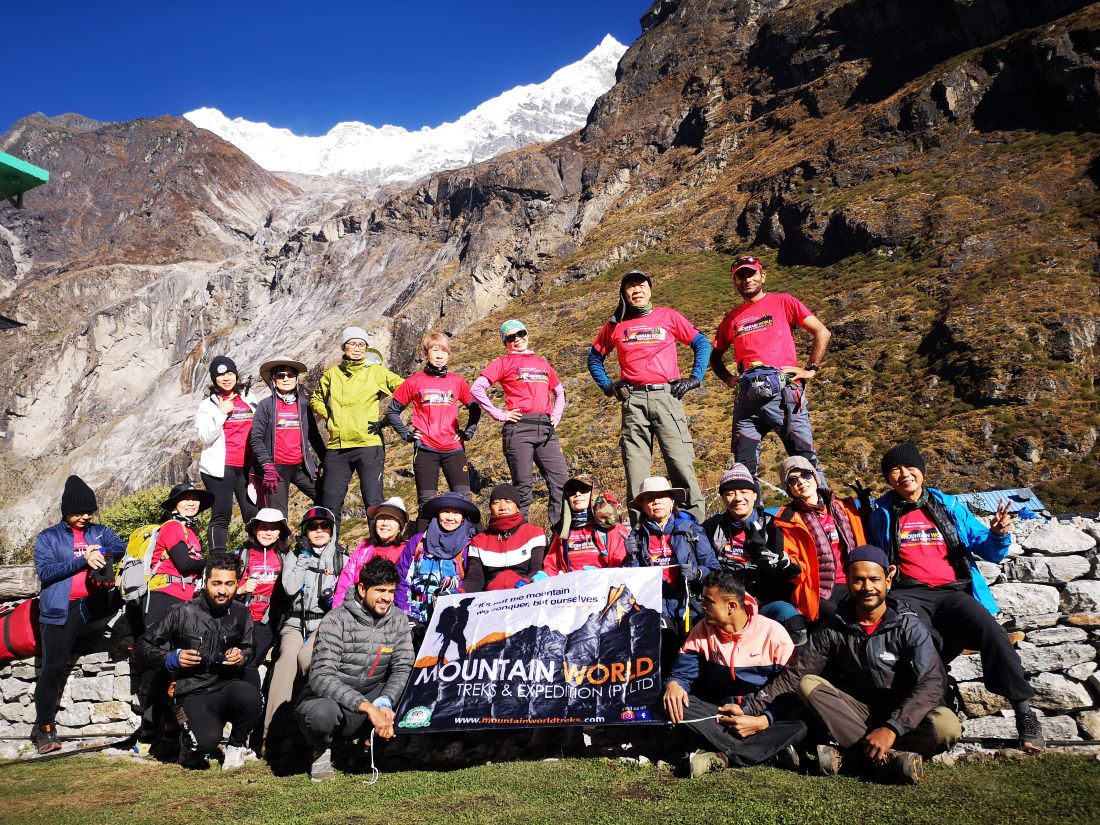
For travellers who want a short trek rich in culture, tradition, and Himalayan scenery, the Tamang Heritage Trail is an excellent choice. This trek offers peaceful villages, Buddhist monasteries, hot springs, and scenic mountain views located near Langtang National Park. This trail is perfect for beginners, cultural enthusiasts, and anyone seeking a gentle Himalayan adventure close to Kathmandu.
The Tamang Heritage Trail winds through Tamang villages in the Langtang region of Sindhupalchok district. The trek starts from Syabrubesi, a small town accessible by road from Kathmandu.
The highest point on the trail reaches around 3,165 meters, which makes it safe and beginner-friendly. The route passes through lush forests, traditional villages, terraced fields, and serene viewpoints.
The Tamang people are known for their warm hospitality and Buddhist heritage. Along the trail, trekkers can:
Because this trail is less crowded, travellers enjoy genuine cultural exchange.
This itinerary provides gradual elevation gain, cultural experiences, and manageable walking distances.
Tamang Heritage Trail is ideal for travellers who want a cultural and scenic Himalayan experience in just a few days. It combines traditional villages, peaceful trails, hot springs, and mountain views, making it a perfect short trek for beginners and culture enthusiasts alike.

Choosing the right short trek in Nepal can be tricky, especially when each route offers unique scenery, cultural experiences, and difficulty levels. To help you decide, here’s a comparison of the five hidden 4 to 5 days trek we’ve discussed: Pikey Peak, Ama Yangri, Khopra Ridge, Dudhkunda, and Tamang Heritage Trail.
The Pikey Peak Trek in the Solukhumbu region is perfect for those who want to see Mount Everest and surrounding Himalayan giants without the crowds. The highest point reaches 4,065 meters, and the moderate trails pass through peaceful Sherpa villages and dense forests. This trek is ideal for photographers and travellers looking for an authentic mountain experience with quiet trails and fewer tourists.
Ama Yangri Trek, located in the Helambu region, is the closest to Kathmandu, making it convenient for travellers with limited time. Its highest point is 3,771 meters, and the trail features serene sunrise views, Buddhist villages, and lush rhododendron forests. Beginners and first-time trekkers will find this route very manageable, and it is perfect for those who enjoy cultural immersion combined with Himalayan scenery.
Khopra Ridge Trek in the Annapurna region offers breathtaking ridge panoramas of Annapurna and Dhaulagiri. The highest point is 3,660 meters, and the trail passes through quiet Gurung villages, terraced fields, and alpine forests. This moderate trek is ideal for hikers seeking dramatic ridges, photography opportunities, and authentic village life, all within a short 4 to 5 days period.
Dudhkunda Trek in Solukhumbu provides a remote and spiritual experience. Its highlight is the sacred Dudhkunda Lake, located at around 4,560 meters, surrounded by quiet Sherpa and Rai villages. The trek is slightly more challenging due to the higher altitude, but still suitable for beginners with proper acclimatization. Trekkers seeking solitude, mountain reflections in a serene alpine lake, and authentic cultural encounters will find this route unforgettable.
Finally, the Tamang Heritage Trail in the Langtang region is the easiest and most culturally focused of the five treks. With a maximum altitude of about 3,165 meters, this route passes through Tamang villages, monasteries, and terraced fields. The trail also features natural hot springs, forested paths, and panoramic views of the Langtang peaks. It is perfect for beginners, families, and travellers who want a gentle trek with rich cultural experiences and fewer crowds.
When it comes to difficulty, Tamang Heritage Trail is the easiest, Ama Yangri and Khopra Ridge are moderate, and Dudhkunda is slightly more challenging due to its higher altitude. For scenery, each trek has its own highlight: Pikey Peak offers Everest panoramas, Ama Yangri provides Helambu sunrises, Khopra Ridge showcases Annapurna ridges, Dudhkunda features a sacred alpine lake, and Tamang Heritage Trail combines village life with Langtang mountain views.
Cultural experiences also vary: Dudhkunda and Tamang Heritage Trail stand out for authentic village interactions, while Pikey Peak and Khopra Ridge provide Sherpa and Gurung traditions, respectively. Ama Yangri offers a balance of culture and scenery close to Kathmandu. In terms of accessibility, Ama Yangri and Tamang Heritage Trail are easiest, while Pikey Peak, Khopra Ridge, and Dudhkunda require longer drives or local flights to reach trailheads.
Regarding the best time to trek, spring (March to May) and autumn (September to November) are ideal for all five treks, offering clear skies, moderate temperatures, and blooming landscapes. Winter brings quiet trails and solitude but cold weather, while the monsoon season provides lush greenery but can make some paths slippery.
Ultimately, your choice depends on your priorities. First-time trekkers or those short on time may prefer Tamang Heritage Trail or Ama Yangri. Photographers and mountain panorama lovers will enjoy Pikey Peak and Khopra Ridge. Adventure and spiritual seekers will find Dudhkunda’s lake and remote villages most rewarding. Regardless of which trek you pick, these hidden 4 to 5 day treks provide a peaceful, beginner-friendly Himalayan experience away from the crowded tourist routes.
Planning a short trek in Nepal requires some preparation, even for beginner-friendly routes. The right gear, food, accommodation, transport, and safety measures can make your journey smooth, enjoyable, and safe. Below is a practical guide for all five treks we discussed: Pikey Peak, Ama Yangri, Khopra Ridge, Dudhkunda, and Tamang Heritage Trail.
Packing smart is key to a comfortable trek. For short treks, you can travel light, but include essentials:
Lightweight packing makes walking easier and allows you to enjoy the scenery without strain.
All five treks use tea house lodges along the trail, offering comfortable and basic amenities. Rooms are typically shared or private, with warm blankets and simple furniture.
Proper nutrition keeps energy levels high:
Eating lightly but frequently helps maintain stamina for trekking.
Even short treks require safety awareness:
Respect local culture and nature during your journey:
By following this practical guide, your short trek in Nepal will be comfortable, safe, and memorable. Packing appropriately, understanding accommodation and food options, preparing for transport, practicing safety measures, and respecting culture will ensure that your short adventure is stress-free.
Whether you choose Pikey Peak, Ama Yangri, Khopra Ridge, Dudhkunda, or Tamang Heritage Trail, this preparation makes your trek enjoyable and allows you to fully experience the mountains, culture, and natural beauty of Nepal.
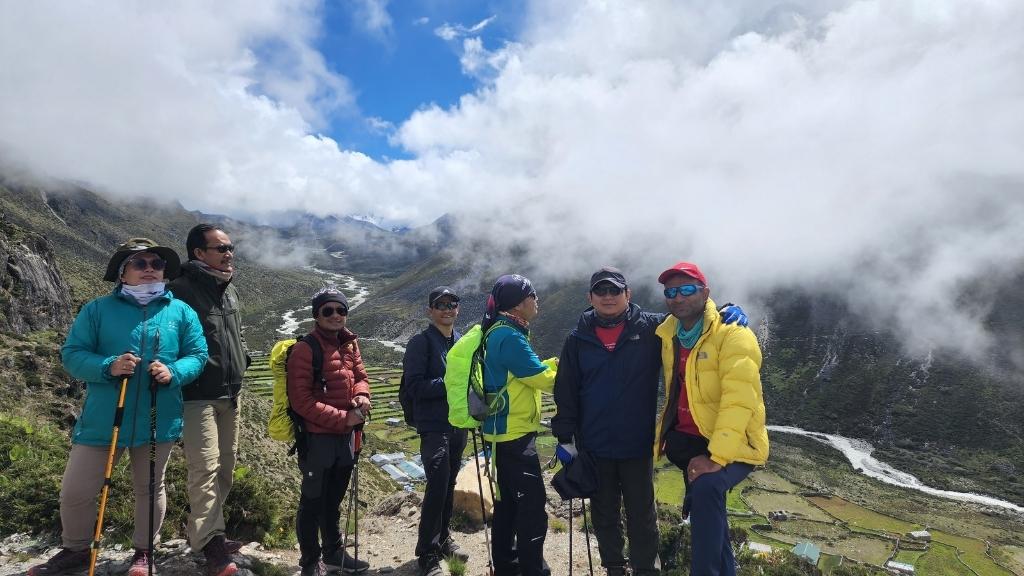
Nepal is a land of majestic mountains, vibrant cultures, and peaceful trails, and even a short trek can give you an unforgettable Himalayan experience. The five hidden treks we’ve explored: Pikey Peak, Ama Yangri, Khopra Ridge, Dudhkunda, and Tamang Heritage Trail. Each trek offers unique scenery, cultural encounters, and beginner-friendly routes for travellers who want something off the beaten path.
Pikey Peak is ideal for those who dream of seeing Everest and the surrounding peaks in quiet solitude. Ama Yangri, close to Kathmandu, combines beautiful sunrise views with the serene Helambu culture. Khopra Ridge offers stunning ridge panoramas and Gurung village experiences, while Dudhkunda Trek presents a spiritual journey to a sacred alpine lake in remote Solukhumbu. Tamang Heritage Trail allows travellers to explore Tamang villages, monasteries, and natural hot springs in a gentle, scenic hike.
All these treks are manageable for beginners, require moderate fitness, and provide ample opportunity to enjoy nature, culture, and local hospitality. The best time to trek is during spring (March to May) or autumn (September to November), when the weather is clear, temperatures are comfortable, and the landscapes are vibrant. Winter treks provide peace and solitude, while monsoon treks bring lush greenery, though trails can be slippery.
By choosing any of these treks, you will not only experience the Himalayas but also connect with local communities, witness traditional lifestyles, and enjoy landscapes far from crowded tourist routes. With proper preparation, packing, safety awareness, and respect for the culture and environment, even a short trek can become a life-changing adventure.
So, whether you’re a first-time trekker, a nature lover, a photographer, or a cultural explorer, these hidden short treks offer the perfect balance of adventure, beauty, and serenity. Don’t wait; Nepal’s hidden trails are calling, and your next Himalayan adventure could start with just a few days of exploration.
1. What are the best short treks in Nepal for beginners?
Some of the best short treks for beginners include Pikey Peak, Ama Yangri, Khopra Ridge, Dudhkunda, and Tamang Heritage Trail.
2. How long does a short day trek usually take?
Most short treks take 4 to 5 full days of walking, excluding travel to the trailhead.
3. Are these treks suitable for first-time trekkers?
Yes, all five treks are beginner-friendly, with moderate walking hours and manageable elevations.
4. Do I need a guide for these treks?
Hiring a guide is compulsory and recommended for navigation, safety, and cultural insights.
5. What is the highest altitude of these treks?
The highest altitude of these treks are given below:
6. Is altitude sickness a concern?
Altitude sickness is not a big concern on these treks but sometimes mild altitude symptoms may appear above 3,500 m. That’s why you should trek slowly, rest often, and stay hydrated.
7. When is the best time to do these treks?
The best time to do these treks are:
8. Are these treks crowded?
No, these are hidden or lesser-known routes, so you’ll see fewer tourists compared to Everest Base Camp or Annapurna Circuit.
9. Can families with children do these treks?
Yes, beginners and families with children also can do Ama Yangri and Tamang Heritage Trail comfortably.
10. How physically challenging are these treks?
They are moderate, with 4 to 6 hours of walking per day and manageable elevation gain.
11. Do I need special permits for these treks?
Yes, you need permits for these treks such as:
12. What kind of accommodation is available?
Tea houses and small lodges are common, offering shared or private rooms with basic facilities.
13. Is food available on the trail?
Yes, tea houses serve local meals like dal bhat, momo, noodles, and soups.
14. Do I need to carry my own water?
Yes you need to carry a refillable water bottle. Water is available at lodges, but purification tablets or filters are recommended.
15. Can I do these treks without trekking experience?
Yes, you can do these treks with average fitness and proper preparation, and beginners can enjoy these treks.
16. How far are these treks from Kathmandu?
Some of the treks like Ama Yangri and Tamang Heritage Trail takes 5 to 6 hours by road and
Pikey Peak, Dudhkunda, Khopra Ridge require longer drives or local flights.
17. Are these treks safe for solo travellers?
Yes, these trails are safe, but carrying a guide or trekking with others is recommended for remote areas.
18. What clothing is recommended?
Layered clothing like thermal base layers, fleece, down jacket, trekking pants, waterproof jacket, gloves, hat, and sunglasses are recommended.
19. What kind of footwear is needed?
Sturdy hiking boots with good grip and ankle support are essential for these treks.
20. Are trekking poles necessary?
Trekking poles help with balance and reduce knee strain, especially on steep or rocky paths.
21. Can I do these treks in the monsoon?
Yes, you can do these treks in the monsoon but the trails may be slippery, and rainfall can block certain sections. That’s why you need to choose rain-shadow areas for safety.
22. Are there hot showers on these treks?
Some lodges offer hot showers, especially in larger villages, but in smaller villages, showers may be cold.
23. Is Wi-Fi available on the trail?
Wi-Fi may be available in larger lodges; remote villages often have limited or no connectivity.
24. How much should I tip guides or porters?
Typically, $5 to $10 per day for guides and $3 to $5 per day for porters is appreciated.
25. What are the main highlights of Pikey Peak?
The main highlights of the Pikey Peak trek are Everest panoramas, Sherpa villages, quiet trails, and rhododendron forests.
26. What are the main highlights of Ama Yangri?
The main highlights of the Ama Yangri trek are Sunrise views, Buddhist villages, close proximity to Kathmandu, and Helambu culture.
27. What are the main highlights of Khopra Ridge?
The main highlights of the Khopra Ridge trek are Annapurna and Dhaulagiri ridge panoramas, Gurung villages, and sacred Khopra Lake.
28. What are the main highlights of Dudhkunda Trek?
The main highlights of the Dudhkunda trek are Sacred alpine lake, remote Sherpa and Rai villages, and serene mountain landscapes.
29. What are the main highlights of Tamang Heritage Trail?
The main highlights of the Tamang Heritage trek are Tamang culture, monasteries, hot springs, forest trails, and Langtang mountain views.
30. Can these treks be done in winter?
Yes, these treks can be done in winter but it will be cold, especially in mornings and nights. Trails are quieter, which some travellers prefer.
31. What is the daily walking distance?
The daily walking distance is usually 4 to 6 hours of walking per day, depending on the trail and stops.
32. Are these treks suitable for photography?
Yes, all five treks offer excellent photo opportunities, including mountains, villages, lakes, and cultural scenes.
33. Can I do these treks with a small budget?
Yes, tea house lodges and local meals are affordable, making short treks cost-effective.
34. Do you need trekking insurance?
Yes, you need trekking insurance and make sure it covers trekking up to 4,500 to 5,000 meters.
35. What kind of wildlife can I see?
You can see many wildlife like birds, small mammals, and sometimes Himalayan langurs in forests
and remote areas.
36. Can I hire porters?
Yes, hiring porters is optional but useful for carrying heavy backpacks.
37. Are toilets available on the trail?
Tea houses have basic toilets; carry hand sanitizer as some are not modern.
38. Can I trek during local festivals?
Yes, but some trails may be busier during festivals. Festivals also provide cultural experiences.
39. Is camping required?
No, all five treks use tea house lodges, so camping is not necessary.
40. How should I prepare physically?
Regular walking, light jogging, and stair climbing before the trek will improve stamina and comfort on trails.
 25+ years of trusted experience Local experts with personal care Safe, budget-friendly & customized treks Real stories, real people, real mountains
 DM us now for your dream Himalayan journey!