The Everest Base Camp (EBC) trek is one of the most iconic and sought-after treks in the world. Whether you are a first-time trekker or an experienced adventurer, planning for EBC can be overwhelming. To make it easier, we’ve compiled 50 detailed FAQs covering everything from general information, permits, guides, packing, safety, and cultural etiquette.
The Everest Base Camp Trek, often referred to as the EBC Trek, is one of the most iconic trekking adventures in the world. It is a high-altitude, multi-day hiking journey through the Khumbu region of Nepal, leading trekkers to the base of Mount Everest, the world’s highest mountain at 8,848.86 meters (29,031 feet).
Unlike climbing the mountain, the EBC trek does not require technical mountaineering skills. Instead, it offers breathtaking Himalayan scenery, unique Sherpa culture, ancient monasteries, and unforgettable views of some of the tallest peaks on Earth, including Everest, Lhotse, Nuptse, Ama Dablam, and more.
This trek is a bucket-list experience for adventurers, nature lovers, and those looking to challenge themselves in the lap of the Himalayas.
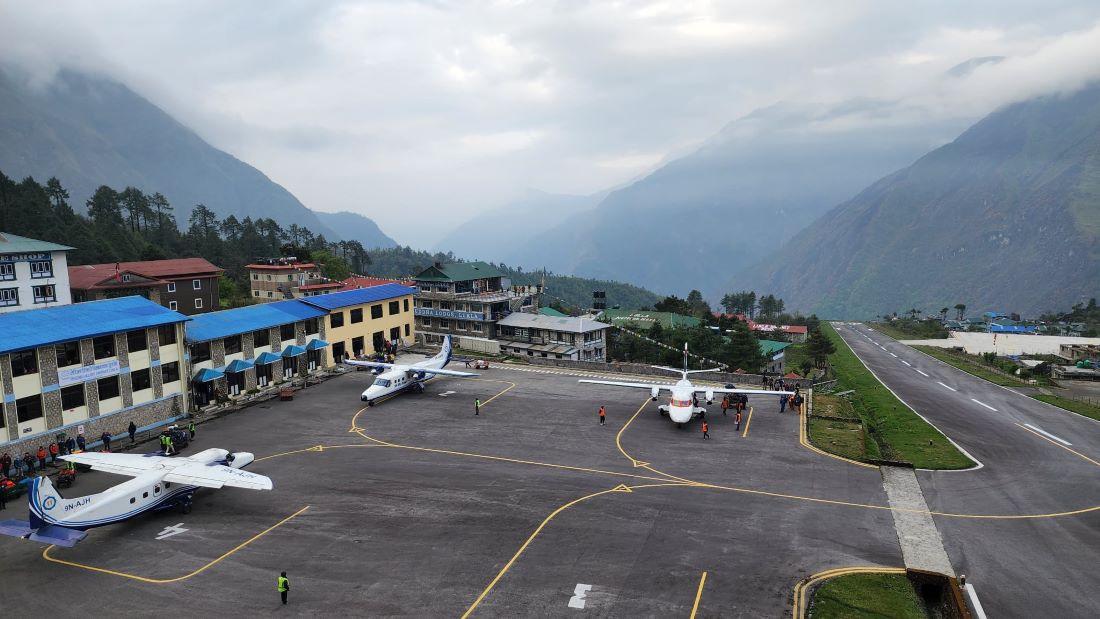
The trek typically begins with a short and thrilling domestic flight from Kathmandu to Lukla, a small town in the Khumbu region with one of the most dramatic airstrips in the world.
After landing in Lukla (2,860 meters), trekkers begin their journey on foot toward Everest Base Camp. The trail passes through a series of picturesque Sherpa villages, including Phakding, Namche Bazaar, Tengboche, Dingboche, Lobuche, and finally Gorak Shep, before reaching the base camp.
Some longer versions of the trek may start from Jiri or Salleri, especially for those looking to avoid the flight and experience more of the traditional trail, though this adds several extra days to the journey.
The classic Everest Base Camp trek typically takes 12 to 14 days, depending on the itinerary, acclimatisation schedule, and side trips (like Kalapatthar).
Some trekkers extend the trip by including Gokyo Lakes, Three Passes, or Island Peak, while others may complete it faster with helicopter returns or custom itineraries. However, it’s important to prioritise acclimatisation and safety over speed.
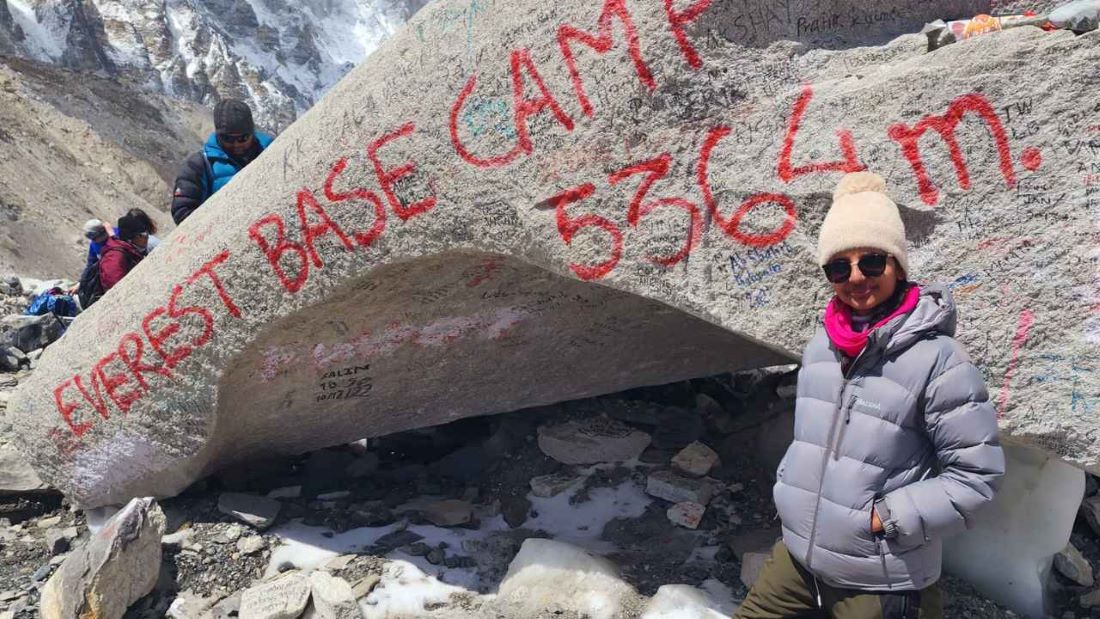
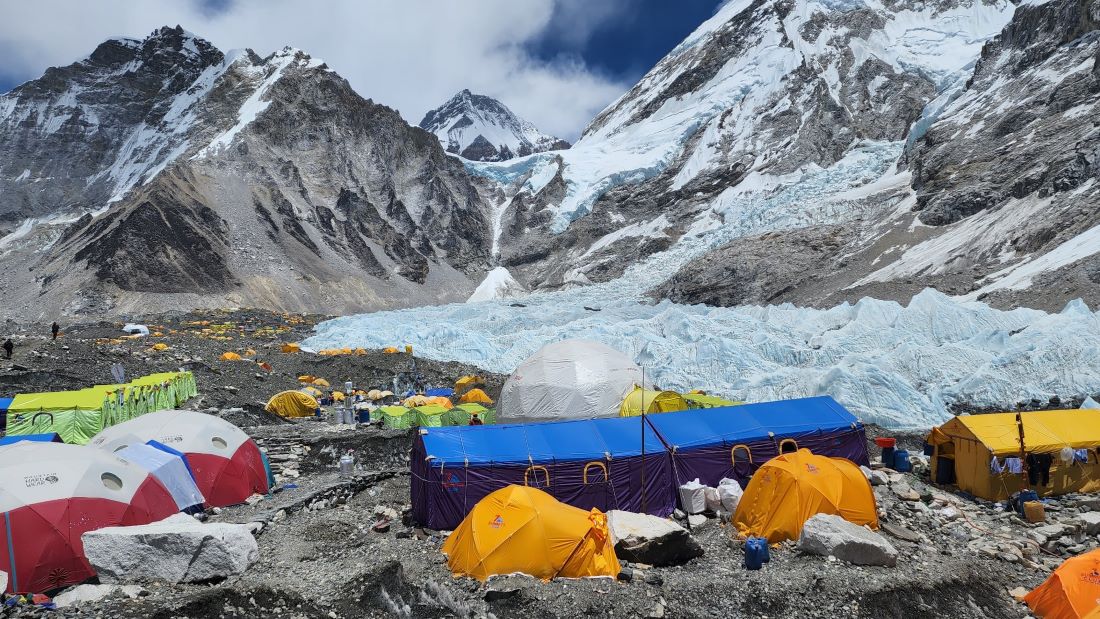
Everest Base Camp (South) in Nepal sits at an altitude of 5,364 meters or 17,598 feet above sea level.
At this elevation, the air is significantly thinner, with less oxygen, making the trek physically demanding and increasing the risk of altitude sickness. This is why acclimatisation and proper pacing are crucial parts of the journey.
It’s important to note that the base camp itself is a staging area for climbers attempting to summit Mount Everest, and not a viewpoint of the summit. The best panoramic view of Everest is actually seen from Kalapatthar (5,545 meters), a nearby ridge that most trekkers include in their itinerary.

No, Everest Base Camp is not the summit of Mount Everest. It is a temporary camp used by mountaineers as the starting point for their ascent of the mountain.
While the summit of Everest stands at 8,848.86 meters (29,031 feet), the base camp is located at 5,364 meters (17,598 feet) on the southern (Nepal) side of the mountain. Climbers stay at the base camp to acclimatise and prepare for their summit push, often staying there for weeks.
Trekkers reach base camp to experience the majestic presence of Everest up close, but they do not go beyond it unless they are on a mountaineering expedition with climbing permits, gear, and technical training.

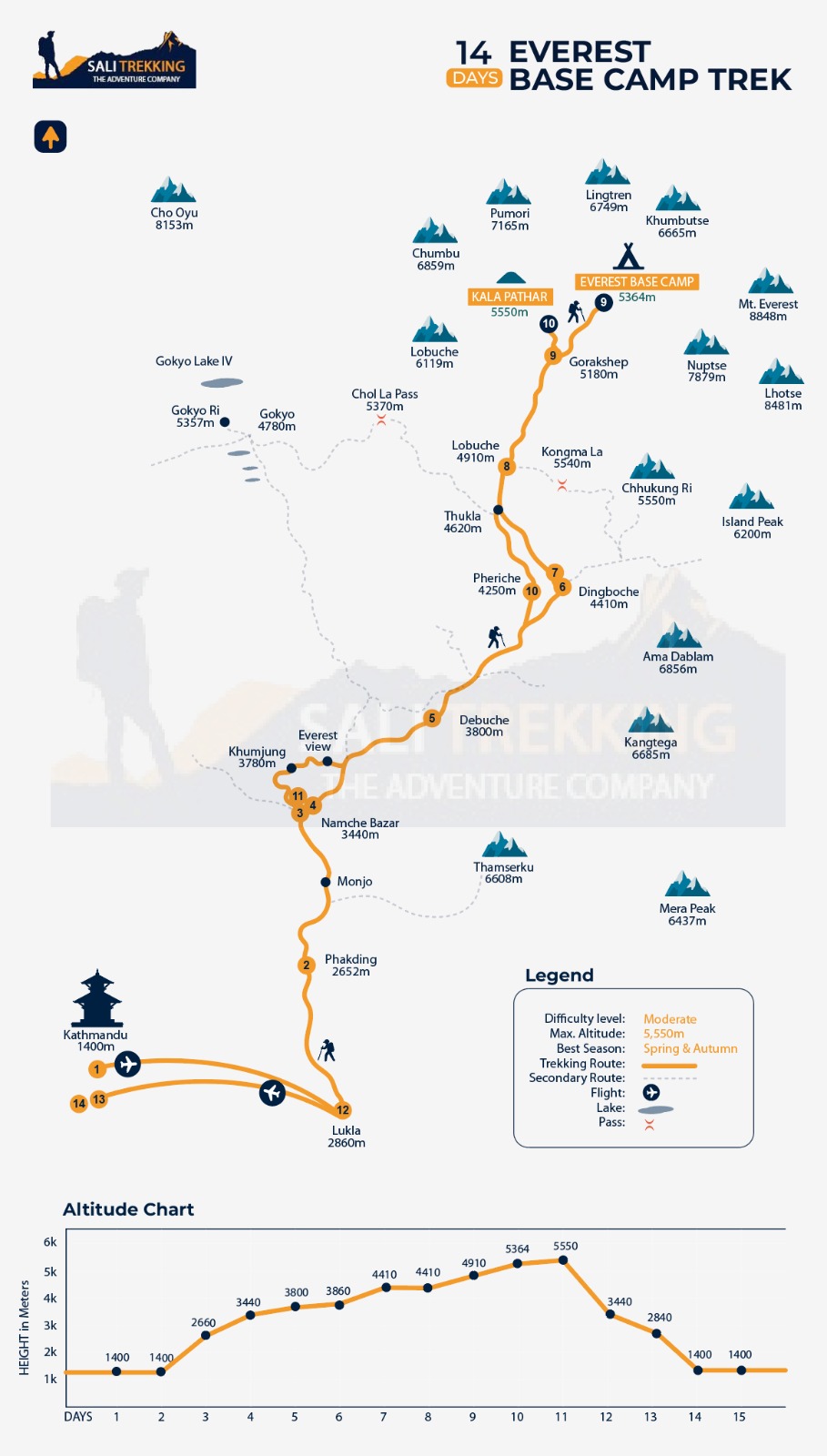
The classic Everest Base Camp trek itinerary typically spans 12 to 14 days and follows a tried-and-tested route through the Khumbu region. The standard plan includes both trekking and acclimatisation days to ensure a safe ascent to high altitude.
Here’s a sample 14-day itinerary:
• Day 1: Flight from Kathmandu to Lukla, trek to Phakding
• Day 2: Trek to Namche Bazaar
• Day 3: Acclimatisation day in Namche (hike to Everest View Hotel or Khumjung)
• Day 4: Trek to Tengboche
• Day 5: Trek to Dingboche
• Day 6: Acclimatisation day in Dingboche (hike to Nagarjun Hill)
• Day 7: Trek to Lobuche
• Day 8: Trek to Gorak Shep, hike to Everest Base Camp, overnight at Gorak Shep
• Day 9: Hike to Kala Patthar for sunrise views, then descend to Pheriche
• Day 10–13: Trek back via the same route (Pheriche → Namche → Lukla)
• Day 14: Fly from Lukla to Kathmandu
This route ensures gradual altitude gain, reducing the risk of altitude sickness while allowing plenty of time to enjoy the stunning Himalayan landscapes and Sherpa culture.
Yes, some itineraries offer a shorter version of the EBC trek that is typically 9 to 11 days, but this comes with trade-offs.
To shorten the trek, people often:
While faster options exist, they significantly increase the risk of altitude sickness, and you’ll miss out on valuable cultural experiences and side hikes like Kala Patthar or Everest View Hotel.
If you’re short on time but still want the Everest experience, consider the Everest View Trek, which goes up to Tengboche or Pangboche and returns in about a week.
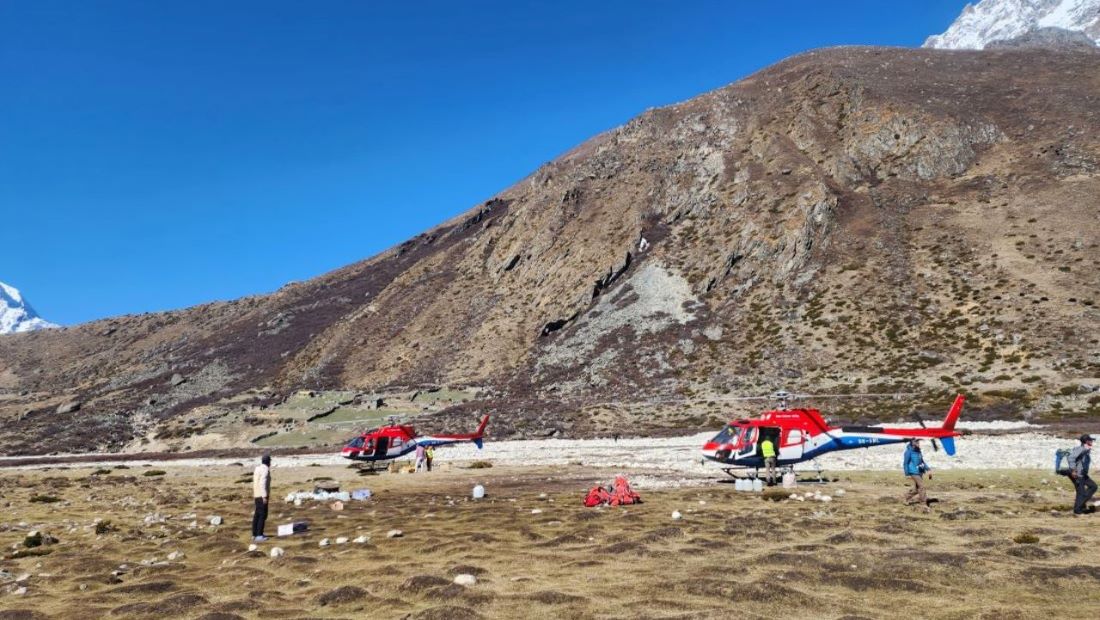
Kalapatthar (also spelled Kala Patthar) is a rocky ridge near Gorak Shep, located at an elevation of 5,545 meters (18,192 feet). It is the most popular viewpoint for Mount Everest during the trek.
While you don’t actually see the summit of Everest from base camp, Kalapatthar offers a dramatic, panoramic view of:
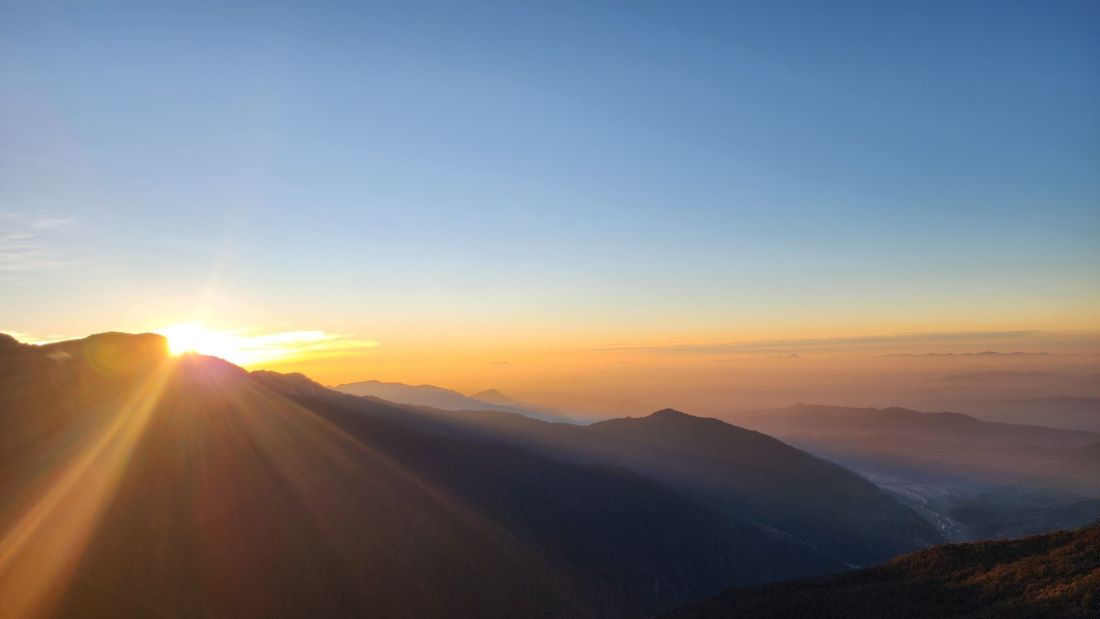
Most trekkers hike to Kalapatthar either for sunrise or sunset, as the lighting is most dramatic then. It’s one of the highest points you’ll reach on the trek and offers a rewarding moment that often becomes the emotional highlight of the entire journey.

Yes, Namche Bazaar is a major stop on the Everest Base Camp trek and plays a crucial role in both the ascent and descent. It’s considered the gateway to Everest and is one of the most vibrant and culturally rich towns in the region.
Located at 3,440 meters (11,286 feet), Namche is where trekkers usually spend an extra day for acclimatisation. During your time here, you can:
It’s also your last major place to stock up on gear, medicine, or snacks before heading higher into the mountains.

Yes, in the standard Everest Base Camp trek, the return route is mostly the same as the way up, passing through Gorak Shep, Lobuche, Dingboche/Pheriche, Tengboche, Namche, and Phakding before returning to Lukla.
However, some trekkers combine EBC with other trails, such as:
Although the return journey uses the same trail, you’ll experience it from a new perspective, moving downhill and often feeling more relaxed after achieving your goal.
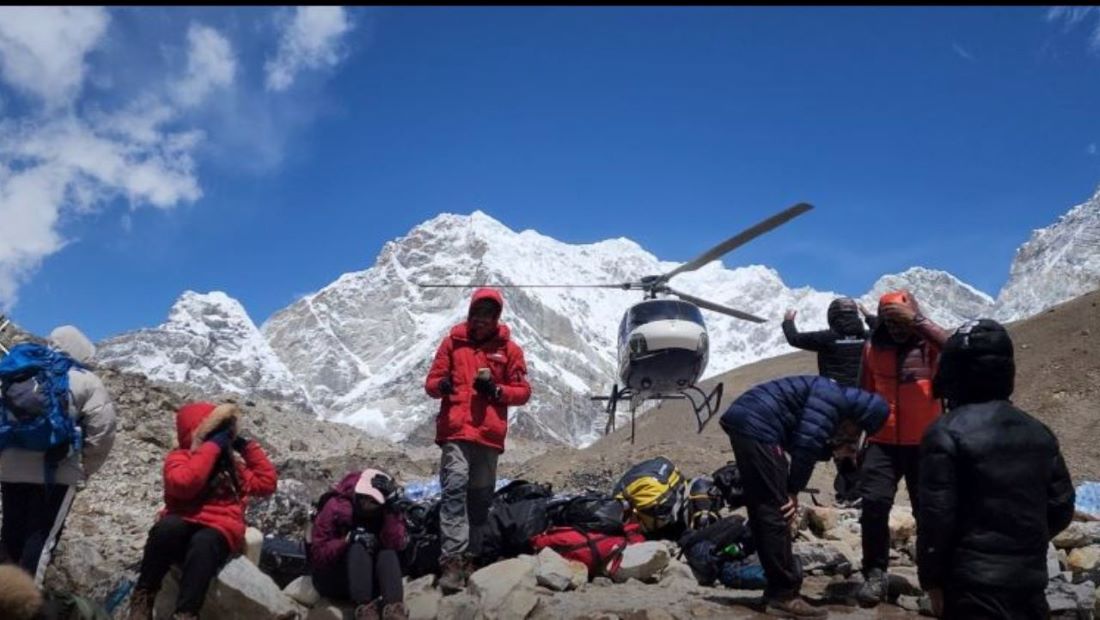
The best times to trek to Everest Base Camp are during the pre-monsoon (spring) and post-monsoon (autumn) seasons. These two windows offer the most stable weather, clear mountain views, and comfortable trekking conditions.
• Spring (March to May):
This is the most popular season. The weather is generally mild, rhododendrons bloom along the trail, and the skies are mostly clear. You’ll also meet climbers preparing for Everest summit expeditions.
• Autumn (September to November):
After the summer monsoon, the skies clear up, the air is fresh, and the mountain views are spectacular. This season offers the most consistent visibility and fewer rain-related disruptions.
While winter and summer treks are possible, they come with challenges:
• Winter (December–February): Cold, snow-covered trails, and some tea houses may close
• Monsoon (June–August): Heavy rain, muddy trails, and low visibility due to cloud cover
If your goal is to enjoy perfect mountain views and steady weather, consider visiting in spring or autumn.

Yes, it is possible to trek to Everest Base Camp during the winter months (December to February), but it’s not recommended for everyone.
Winter in the Khumbu region brings extreme cold, especially at higher altitudes. Temperatures at night can drop below -20°C (-4°F) in places like Gorak Shep and Lobuche. However, if you’re well-prepared and experienced with cold-weather trekking, winter offers several unique advantages:
The challenges, however, are real:
If you plan a winter trek, be sure to go with a reliable guide, wear high-quality cold-weather gear, and be ready for potential delays due to weather.
Monsoon season in Nepal runs from June to August, and it is not ideal for trekking to Everest Base Camp due to several reasons:
That said, if you’re experienced and don’t mind getting wet, it’s still possible. The upper Khumbu region receives less rain, and you’ll encounter fewer trekkers on the trail. But overall, monsoon treks require flexibility, patience, and good rain gear.
For most travellers, it’s best to avoid this season and plan your trek in spring or autumn for the best experience.
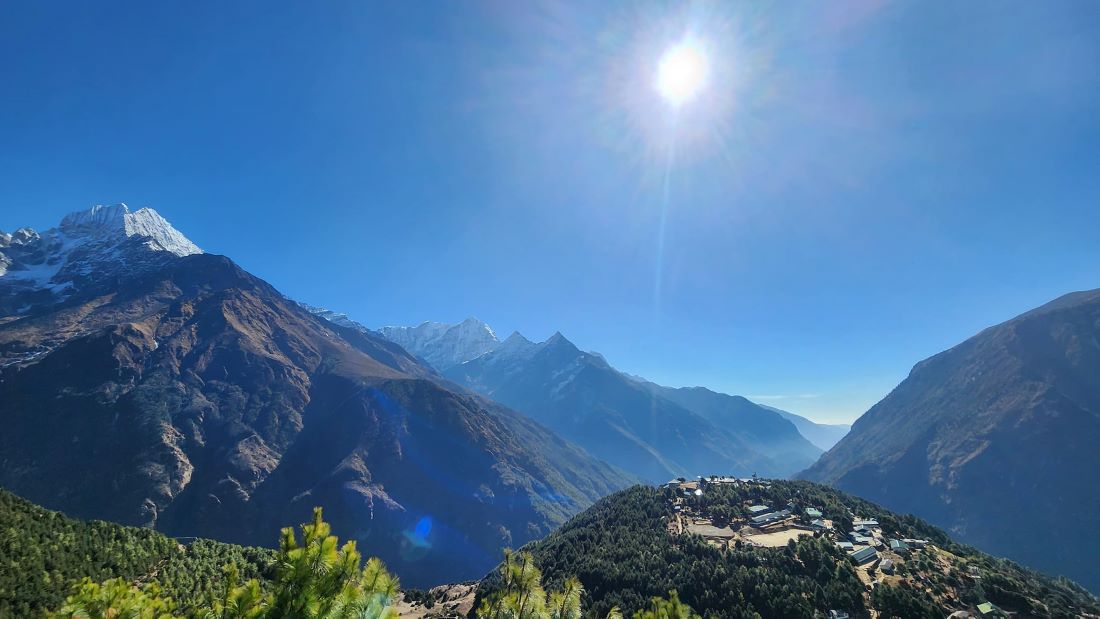
The weather at Everest Base Camp is cold year-round, with temperatures and conditions varying depending on the season and time of day.
At EBC (5,364m), oxygen levels are about 50% of sea level, so even mild effort feels exhausting. The UV rays are also stronger, so wearing sun protection is a must, even in cold or cloudy conditions.

Yes, depending on the time of year, there’s a good chance you’ll encounter snow at higher altitudes during the Everest Base Camp trek.
You don’t need snowshoes or crampons for the standard trail, but you should have good waterproof boots and warm layers. Snow makes the landscapes stunning, just be sure you’re prepared for the cold and slippery trails.

The Everest Base Camp trek is considered a moderate to challenging trek. While it doesn’t require technical climbing or mountaineering skills, the combination of high altitude, multi-day hiking, and variable weather conditions makes it physically and mentally demanding.
On average, you’ll be hiking 5 to 7 hours per day, often on rocky, uneven terrain and steep uphill or downhill sections. What makes it most difficult is not the trail itself, but the altitude, trekking above 3,000 meters for days puts stress on the body, and reaching over 5,000 meters requires proper acclimatisation and stamina.
People with good fitness levels who prepare in advance usually do well. But even experienced trekkers can face challenges if they don’t acclimatise properly.
No, prior trekking experience is not mandatory for Everest Base Camp, but it certainly helps. Many first-time trekkers successfully complete the EBC trek with proper preparation, the right mindset, and adequate support.
That said, this is not a casual walk in the park. If you’ve never done a multi-day hike or haven’t spent time at high altitude, it’s strongly recommended that you:
You don’t need to be an athlete, but you do need to be committed and physically ready for the challenge.
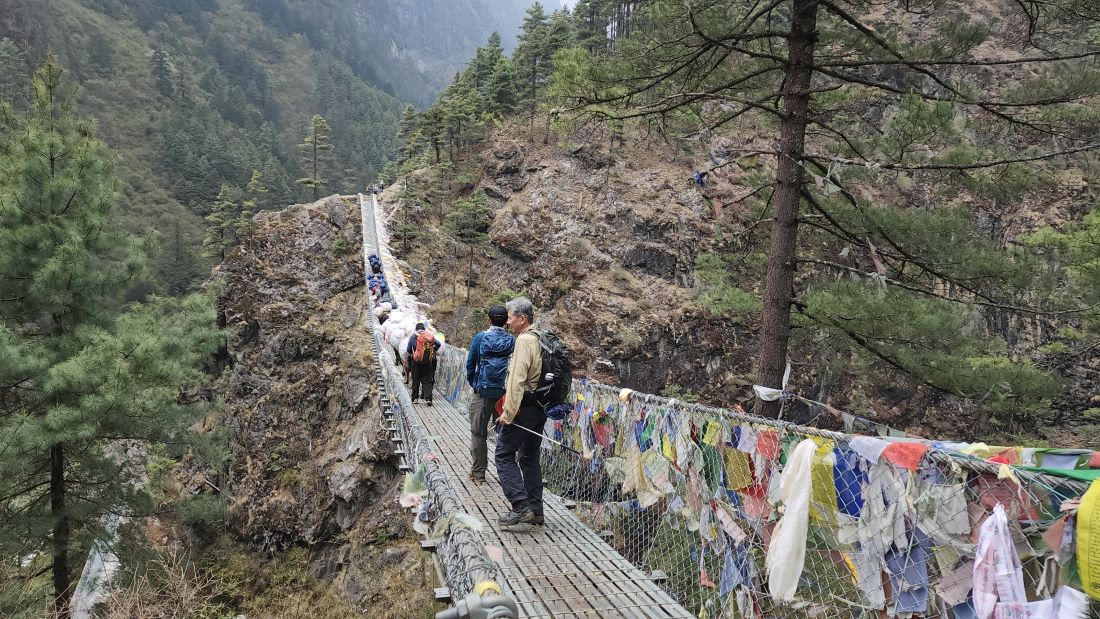
Yes, beginners can do the Everest Base Camp trek, provided they prepare well and take the trek seriously. Thousands of first-time trekkers from all around the world successfully complete the EBC trail every year.
The key factors for beginners include:
If you’re new to trekking and unsure about your limits, you may consider doing the Everest View Trek first, which goes up to Tengboche and offers great views of Everest in under a week.
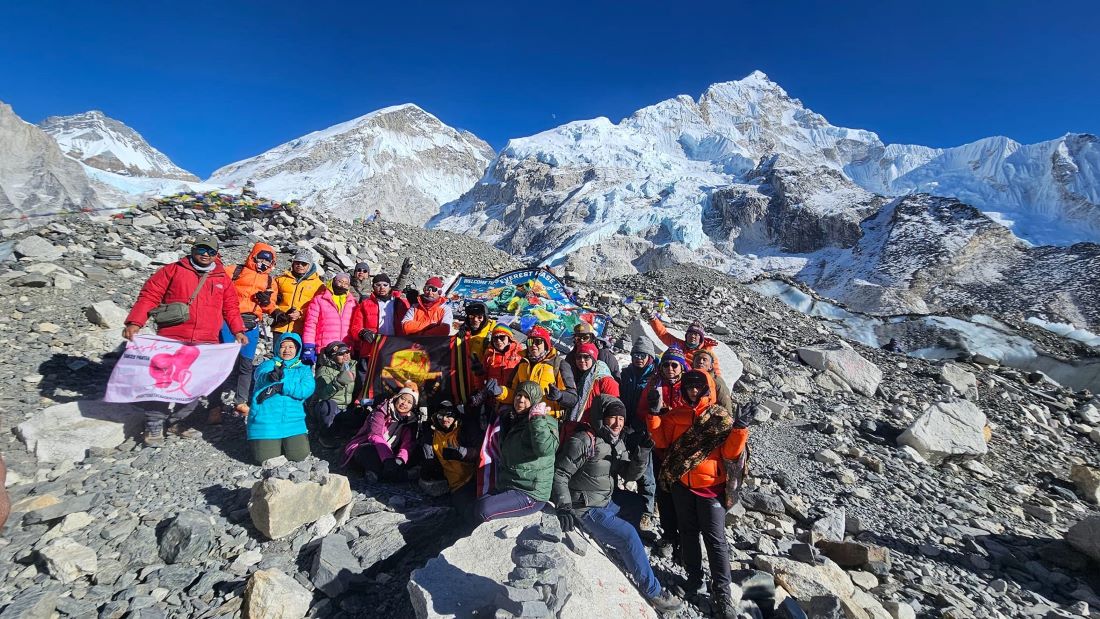
Yes, training is highly recommended to prepare your body and mind for the demands of high-altitude trekking.
A solid training plan should begin at least 8-12 weeks before your departure and focus on:
The better your physical condition, the more enjoyable (and safer) your trek will be. You don’t need to be ultra-fit, but consistent training will help prevent injury, exhaustion, or illness.

Yes, both children and older trekkers can do the Everest Base Camp trek, but there are important precautions.
Kids: Children as young as 10-12 years old have successfully completed the trek, especially when accompanied by family and guides. However, kids are more vulnerable to altitude sickness, and parents must monitor their health closely. A slower itinerary and extra acclimatisation days are essential.
Older Adults: Trekkers in their 60s and even 70s have completed the trek with proper preparation and support. Key things to consider:
Age is not a barrier, but altitude, fitness, and health need to be managed responsibly.
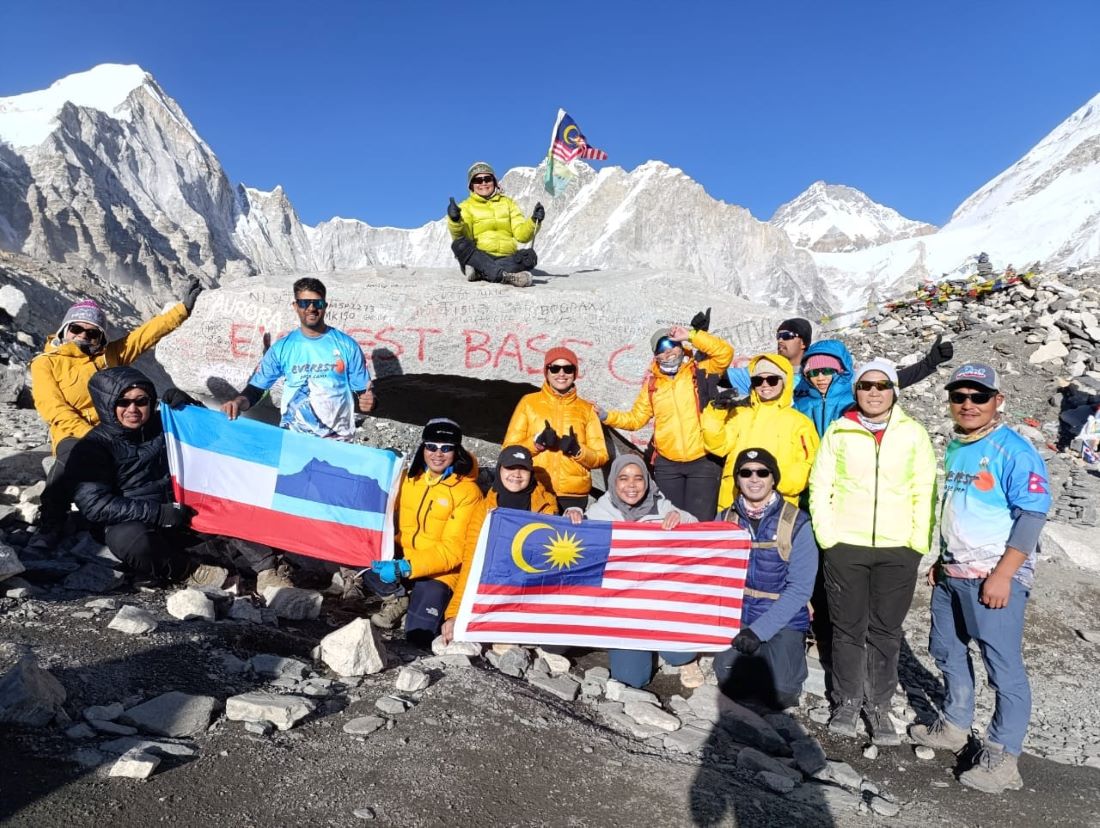
Packing wisely is crucial for a successful Everest Base Camp trek. You’ll be trekking in a variety of weather conditions, from sunny days to freezing nights, so layering is key. Your pack should be lightweight but include all essentials.
Here’s a general breakdown of what to pack:
Clothing:
Footwear:
Gear:
Toiletries & Health:
Pack light, but don’t skip the essentials, especially warm layers and reliable boots. You’ll carry a small daypack, and your porter (if using one) will carry the rest.
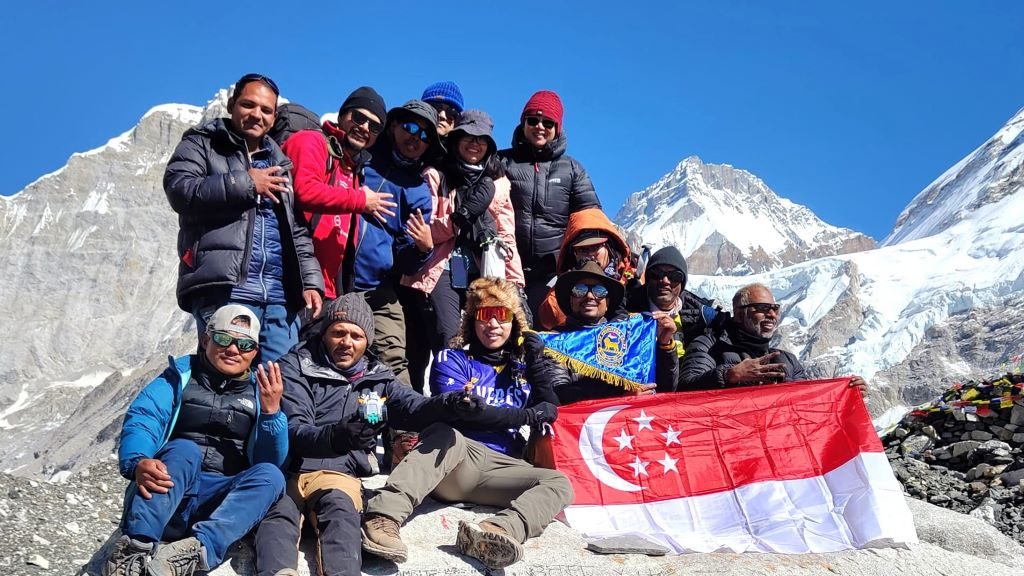
No, you do not need crampons or technical climbing equipment for the Everest Base Camp trek.
The route is a non-technical hiking trail, meaning it doesn’t involve rock climbing, ice climbing, or glacier travel. The terrain consists of rocky paths, steep ascents/descents, and some snow or ice, depending on the season, but not enough to require specialised gear like crampons, ropes, or harnesses.
However, in winter or during snowy conditions, microspikes or Yaktrax may be helpful for extra grip, but even those are optional.
If you’re unsure about weather conditions for your dates, you can always consult your guide or gear shop in Kathmandu before you leave for Lukla.

Yes, you can easily rent or buy all essential trekking gear in Kathmandu, particularly in the tourist neighbourhood of Thamel.
Available rental items typically include:
Prices vary depending on quality and rental period. A good sleeping bag might cost around $1-$2 per day, while a down jacket is similarly priced.
Tips:

Trekkers are typically advised to carry no more than 5-7 kg in their daypack, which should include water, snacks, a jacket, a camera, and personal essentials. If you hire a porter, they usually carry 10-12 kg per trekker, not exceeding 20-25 kg total if shared between two people.
Make sure to:
Remember, even though a porter helps carry your load, you’ll still be hiking for hours each day, so travel light for comfort and safety.
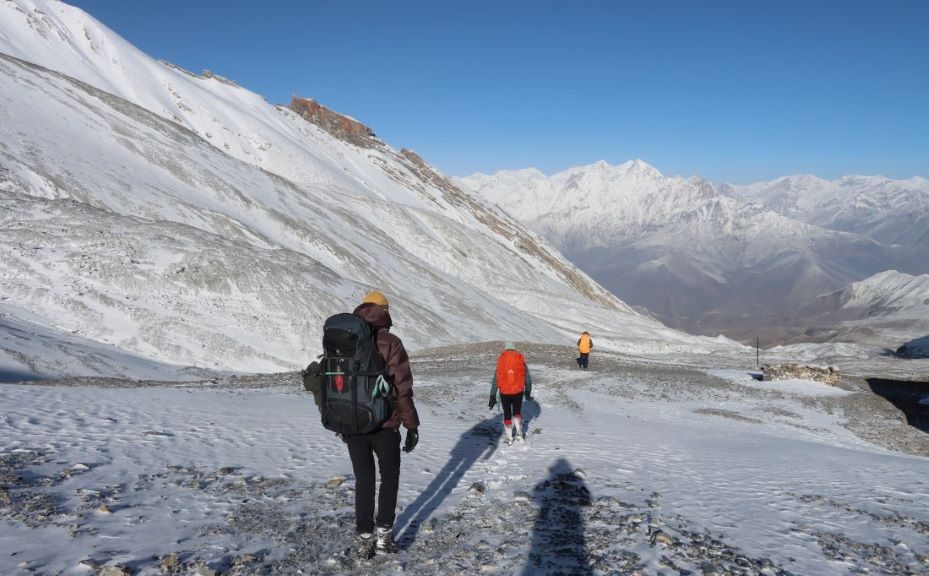
Yes, it’s strongly recommended to bring a warm sleeping bag rated to at least -10°C to -20°C, especially for nights at higher elevations like Lobuche, Gorak Shep, and Pheriche.
While tea houses do provide blankets, they may not be enough during the coldest months, and cleanliness can vary. A sleeping bag adds an extra layer of insulation and hygiene.
If you don’t own one or prefer not to carry one from home, you can rent a sleeping bag in Kathmandu for a few dollars per day. Just make sure it’s:
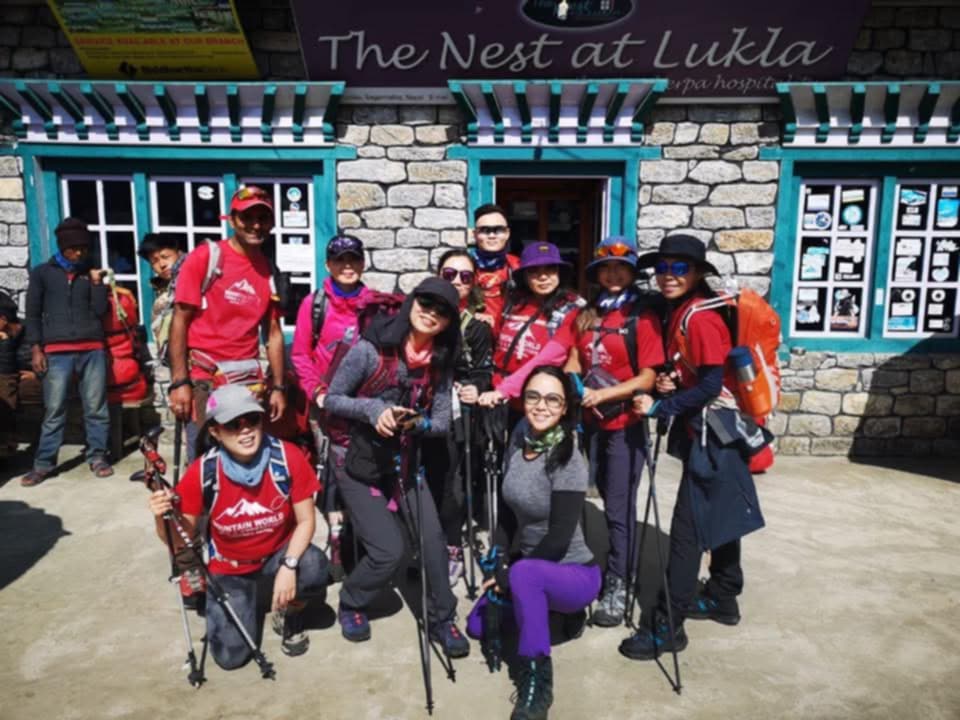
During the Everest Base Camp trek, you’ll stay in teahouses; small, family-run lodges found in almost every village along the route. These teahouses offer basic but comfortable accommodation, with the added charm of local Sherpa hospitality.
A typical teahouse room includes:
Don’t expect luxury; rooms are simple and functional, especially at higher altitudes. Heating is only available in the dining/common area, usually powered by yak dung or gas stoves. Rooms are unheated, so a warm sleeping bag is essential.
Despite the basic setup, the cosy atmosphere and stunning views make each night memorable. In busier seasons, bookings are recommended, especially in places like Namche, Dingboche, and Lobuche.

Rooms along the EBC trail are typically private twin rooms, meaning you’ll share the space with your travel partner or be assigned a roommate if you’re solo and the teahouse is full
Dorm-style rooms are uncommon but may be offered when teahouses are full during peak seasons.
If you want guaranteed privacy, inform your trekking agency in advance, and expect to pay a little more -especially if travelling solo.
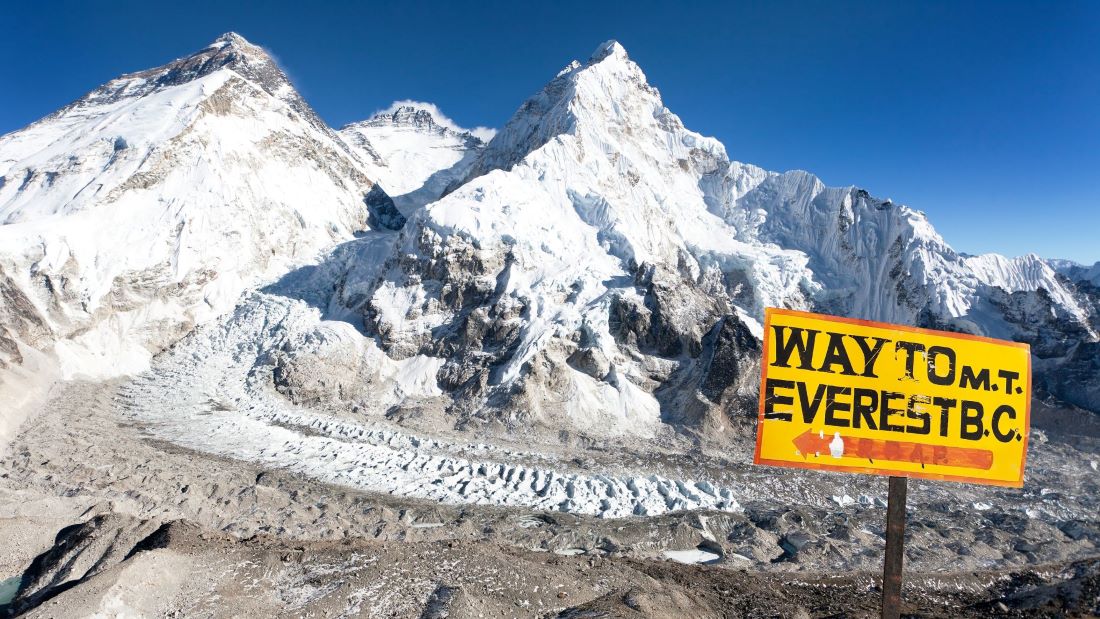
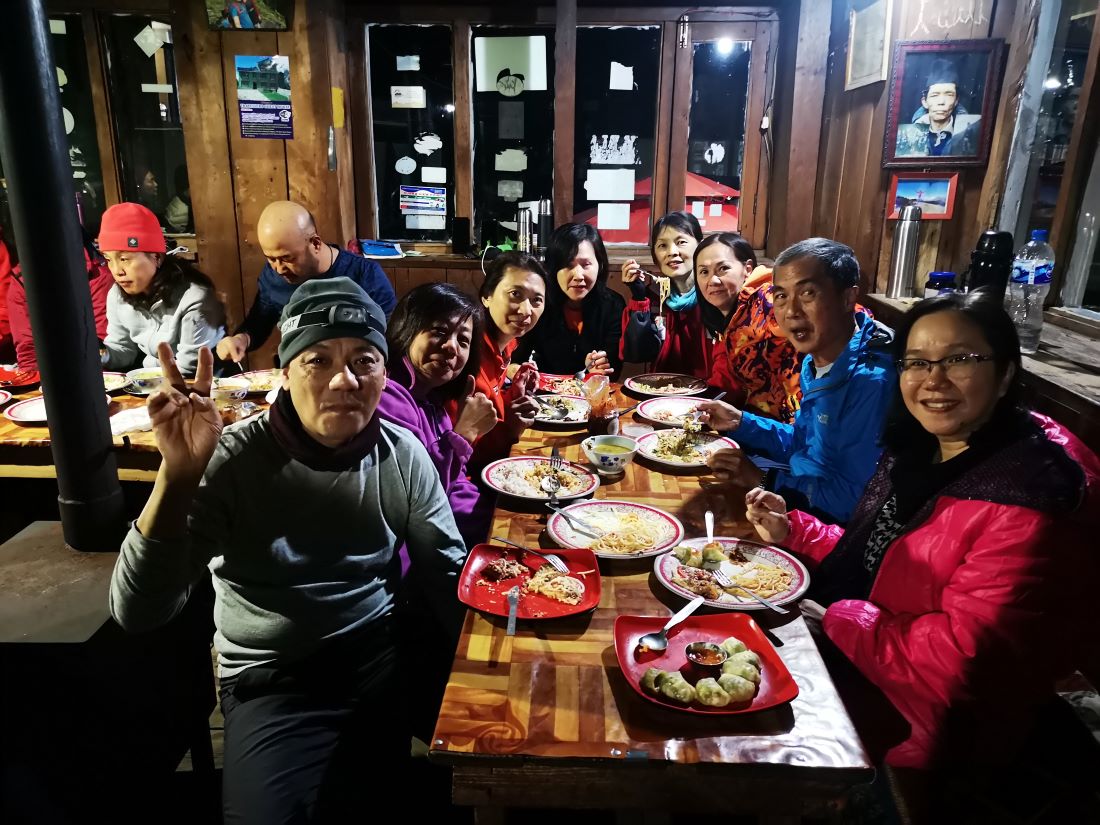
Food on the Everest Base Camp trek is surprisingly diverse, considering the remoteness. Teahouses provide hot, freshly prepared meals with a standardised menu (regulated by the local lodge management committee).
Common meals include:
As you go higher, prices increase and options become limited due to transportation challenges. Food is vegetarian in most places, especially higher up, where meat is not stored or transported safely.
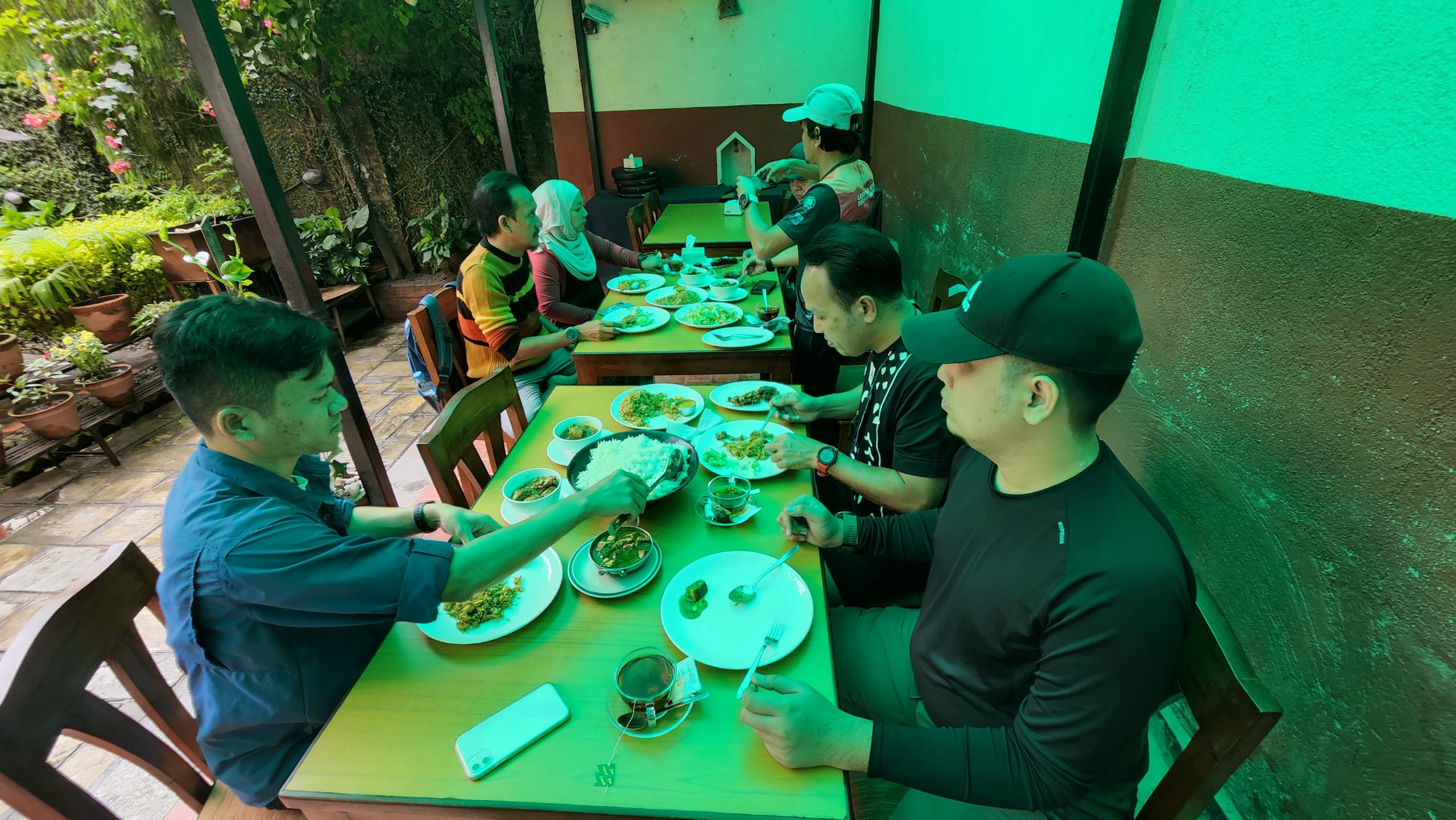
Yes, food on the Everest Base Camp trek is generally safe to eat, especially in teahouses that cater to international trekkers. However, here are some tips to avoid food-related illness:
Most trekkers enjoy the local meals without any problems, but bringing basic medication for diarrhoea or indigestion is a smart precaution.
Yes, drinking water is available throughout the trek, but you’ll need to treat it before drinking.
Here are your options:
• Buy bottled water (available at most teahouses, especially lower down)
• Use boiled water (available at teahouses for a small fee
• Purify your own water
A good rule: drink at least 3 or 4 litres per day to stay hydrated and help with altitude adjustment.

The total cost of the Everest Base Camp trek can vary widely depending on your trekking style, season, and the level of service you choose. On average:
Costs typically include:
Additional expenses may include:
To trek to Everest Base Camp, you’ll need two permits:
1. Sagarmatha National Park Permit
2. Khumbu Pasang Lhamu Rural Municipality Permit
Your trekking agency or guide will usually handle the permit process. If trekking independently, make sure to carry cash (Nepali rupees) and passport copies to purchase the permits.
No. As of recent regulations, you no longer need a TIMS card (Trekkers’ Information Management System) for the Everest Base Camp trek. Instead, the Khumbu Pasang Lhamu Rural Municipality Permit now serves as the official local permit for the EBC region. However, if you’re doing treks in other regions of Nepal, like Annapurna or Langtang, a TIMS card may still be required.
Always check for the latest updates before your trek, and book through a reliable trekking agency that will manage the necessary permits on your behalf.

As of April 1, 2023, the Nepal Tourism Board has made it mandatory to hire a licensed guide for most trekking regions, including the Everest Base Camp trek.
Hiring a guide:
While it was possible to trek solo in the past, the new rules aim to reduce accidents and improve trekking standards. Porters are optional, but highly recommended if you want to trek more comfortably.
Tipping is not mandatory but is a widely accepted way to show appreciation for your guide and porter’s hard work. A good rule of thumb:
For a 12-day trek, this comes to
If you’re trekking in a group, you can pool your tips and give them as a team. Tips are best given in Nepali rupees or clean US dollars, preferably in person at the end of the trek.
No, solo trekking is not banned on the Everest Base Camp trek; you can trek independently if you wish. However, hiring a licensed guide is highly recommended, especially for first-time trekkers or anyone unfamiliar with high-altitude trekking.
A guide can:
Even experienced trekkers often choose a guide for peace of mind, especially in remote sections or during unpredictable weather.
A licensed trekking guide usually costs $25-$35 USD per day, depending on:
For a 12-day trek, expect to budget around $300-$450 USD. The investment ensures safety, local knowledge, and smoother logistics throughout your journey.

Hiring a porter is optional but recommended. Porters carry your heavier gear up to 20-25 kg, so you can trek with a light daypack, conserving energy for higher altitudes and longer days.
Benefits of hiring a porter:
If you’re physically fit and comfortable with carrying your own backpack, a porter isn’t mandatory, but most trekkers find it worth the cost.
Tipping is optional but appreciated. General guidelines:
Or about 10-15% of the total trek cost. Tips are best given directly in cash (Nepali Rupees or clean US dollars) at the end of your trek.

Yes, you can hire a guide in Lukla, but it’s better to arrange one in advance, ideally from Kathmandu. Booking early ensures:
Arriving without a guide is possible, but securing one beforehand reduces stress and makes the trek smoother.

Yes, the Everest Base Camp trek is generally safe for most travellers if proper precautions are taken. However, it is a high-altitude trek, so certain risks exist, such as altitude sickness, weather changes, and rugged terrain.
Safety tips include:
Most emergencies are avoidable with careful planning, proper gear, and attention to altitude adaptation.
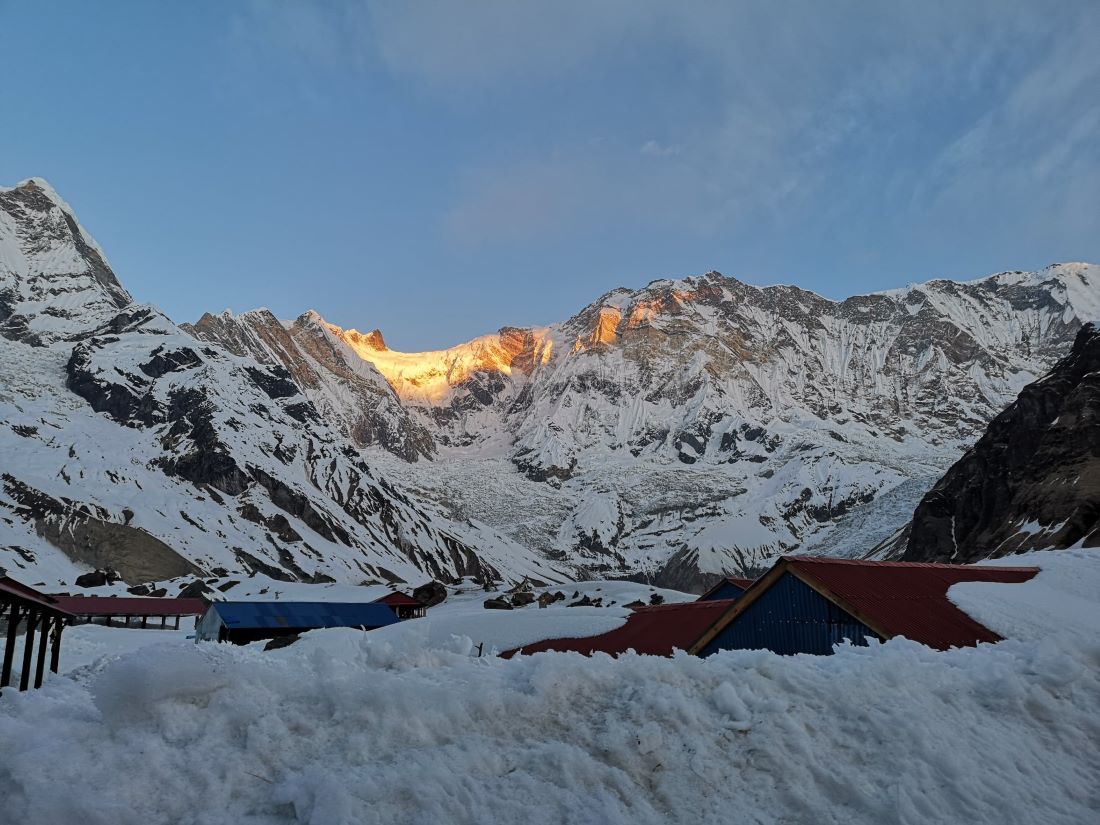
Yes, travel insurance is strongly recommended, and most trekking agencies require proof before your trek. Your insurance should cover:
Make sure your policy specifically covers high-altitude trekking up to at least 6,000 meters. Standard travel insurance without high-altitude coverage may not be valid above 4,000 meters, which could leave you vulnerable in case of emergencies.

Altitude sickness is the biggest risk on the EBC trek because you’ll be trekking above 3,000 meters, with EBC itself at 5,364 meters. Symptoms can range from mild to severe:
Prevention tips:
If symptoms worsen, descending to a lower altitude immediately is the most effective treatment.
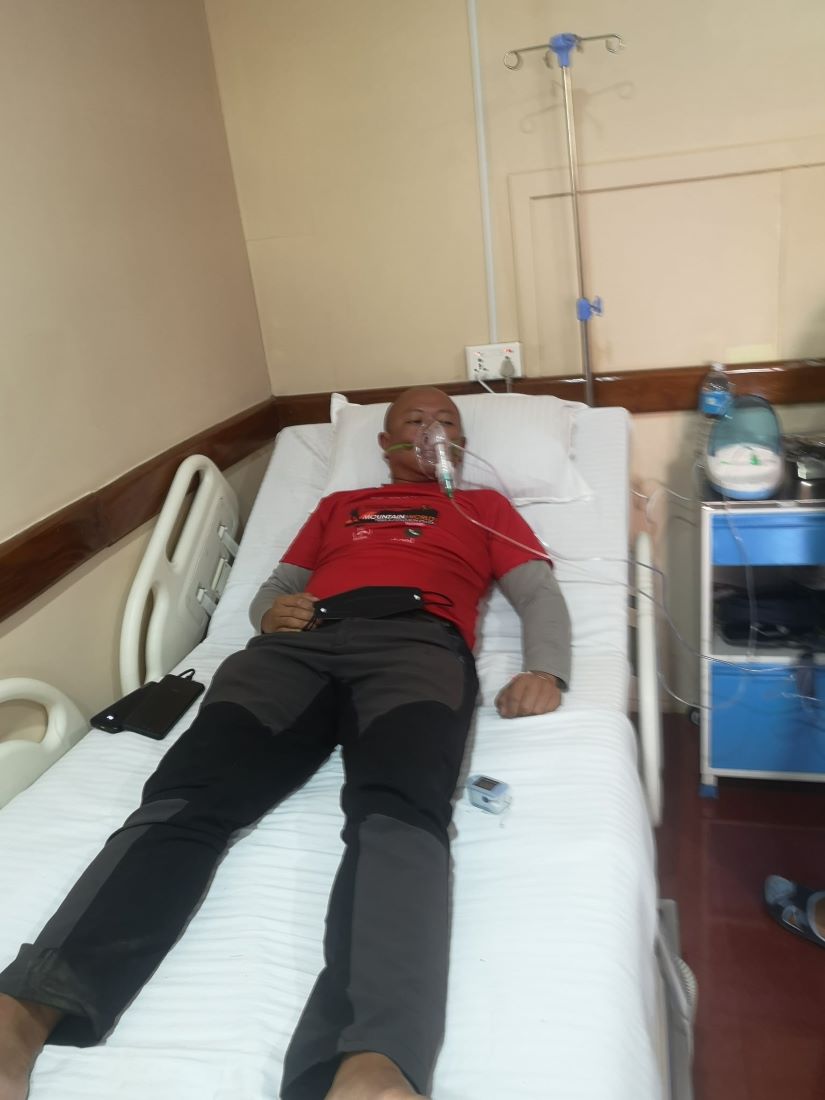
In a medical emergency:
Always carry a first-aid kit, know the nearest medical facilities, and ensure your insurance covers high-altitude evacuation.
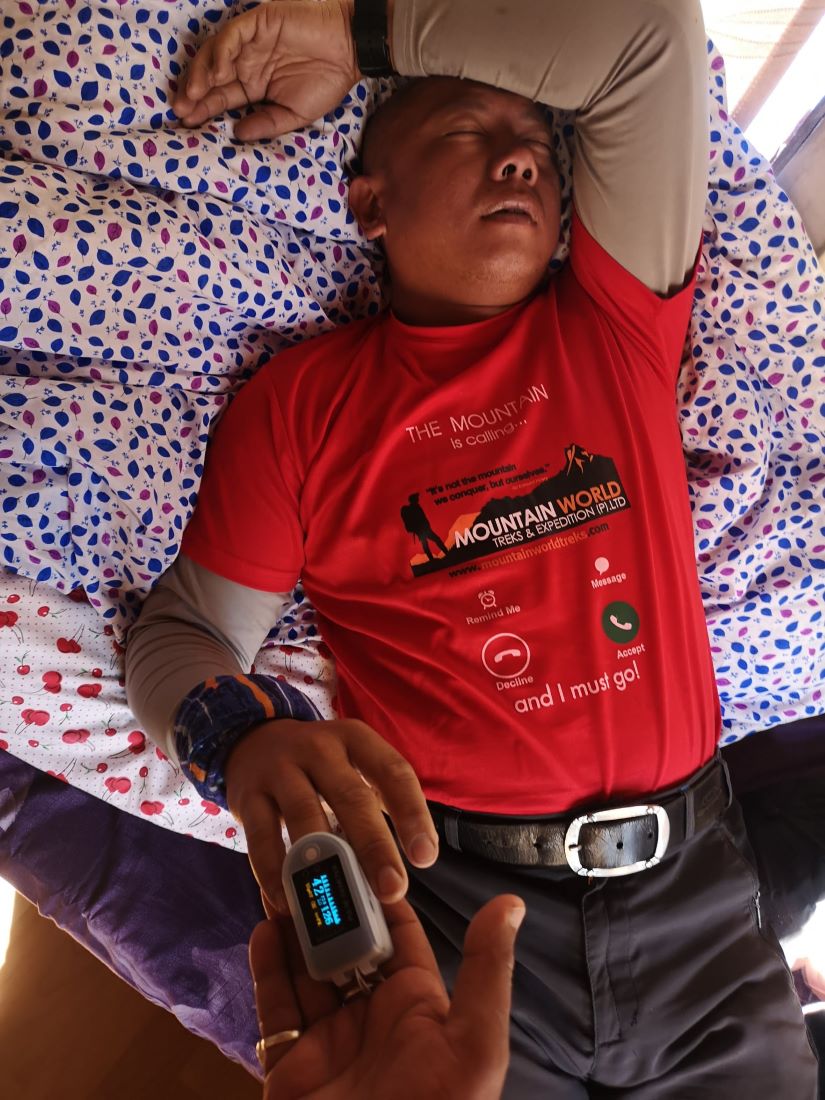
Yes, trekking alone is possible, but it comes with extra challenges:
Even experienced trekkers often prefer hiring a guide for safety, local knowledge, and smoother logistics. If you do trek solo, make sure someone knows your daily itinerary, and carry communication devices for emergencies.

Yes, Wi-Fi is available in most teahouses, especially in larger villages like Namche Bazaar, Tengboche, and Lukla.
If you need constant connectivity, consider purchasing a local SIM card with data, such as Everest Link or Ncell, which works in some parts of the trail.
Yes, electricity is available in most teahouses, but it comes with some limitations:
A combination of power banks, solar chargers, and limited teahouse electricity is usually enough for your phones, cameras, and GPS devices.

Phone coverage exists but is limited and patchy:
Tip: Inform your family and friends of your itinerary in advance, as consistent communication is not guaranteed. For emergencies, guides often have radio or satellite phones.
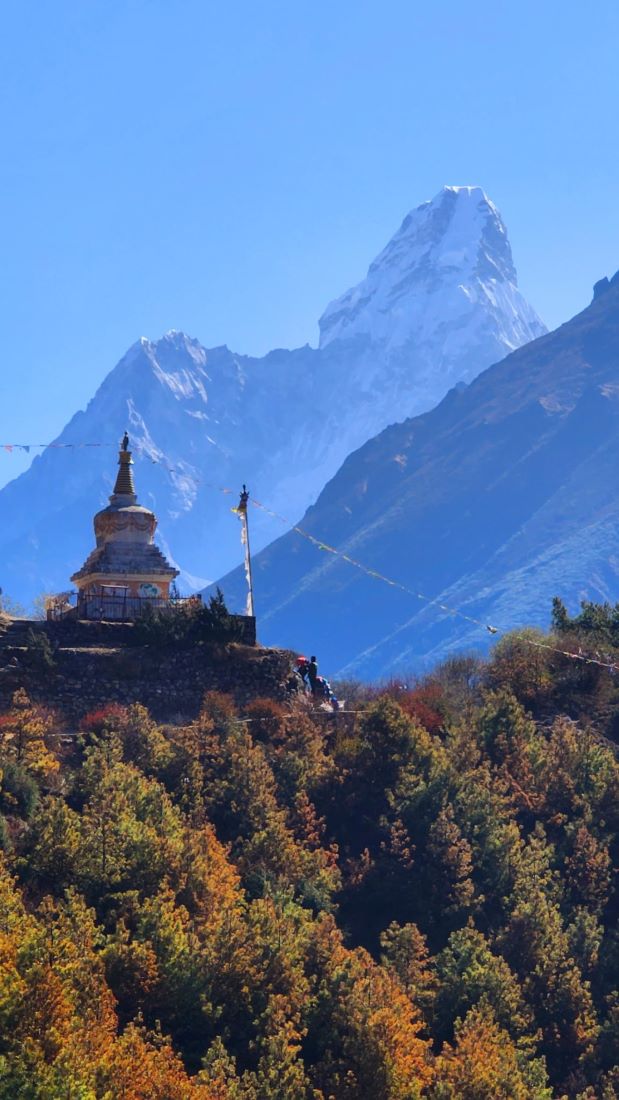
Visiting monasteries, stupas, and local villages on the Everest Base Camp trek requires respect for local culture and customs. Observing proper etiquette ensures a positive experience and maintains harmony with the Sherpa and Tibetan communities.
Key guidelines include:
Following these simple rules helps you gain respect from locals and allows a more meaningful cultural experience during your trek.
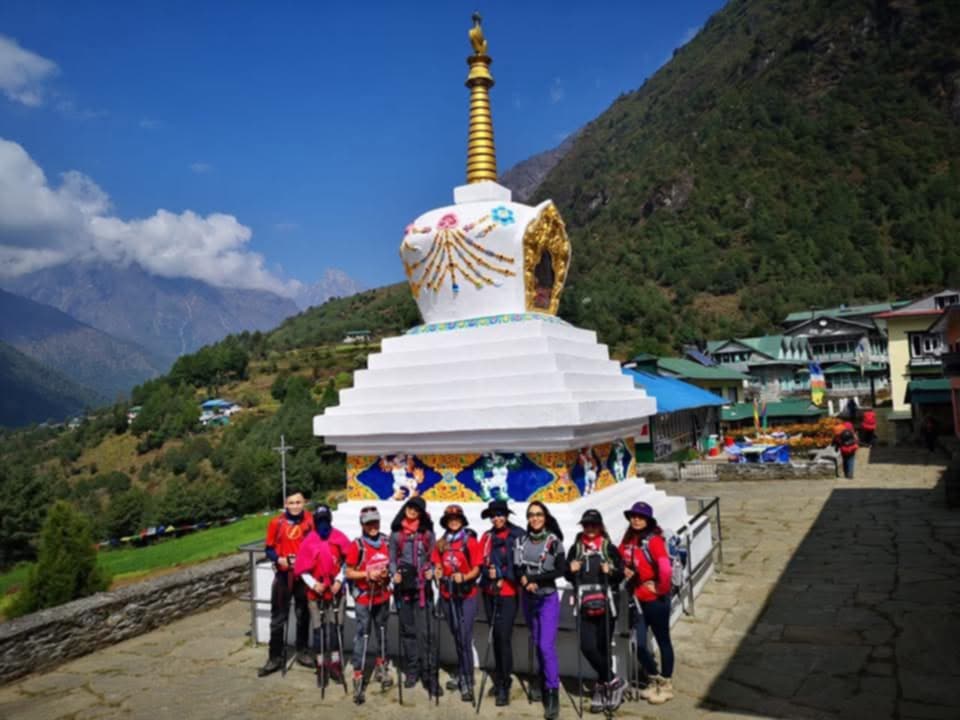
Yes, tipping is customary and greatly appreciated on the Everest Base Camp trek. Tipping shows your gratitude for the hard work and hospitality of your guide, porter, and lodge staff
Recommended guidelines:
Tips can also be calculated as 10-15% of the total trek cost. It’s best to give cash directly at the end of your trek, either in Nepali Rupees or clean US dollars. A thoughtful tip is considered highly respectful in the local culture.
 25+ years of trusted experience Local experts with personal care Safe, budget-friendly & customized treks Real stories, real people, real mountains
 DM us now for your dream Himalayan journey!