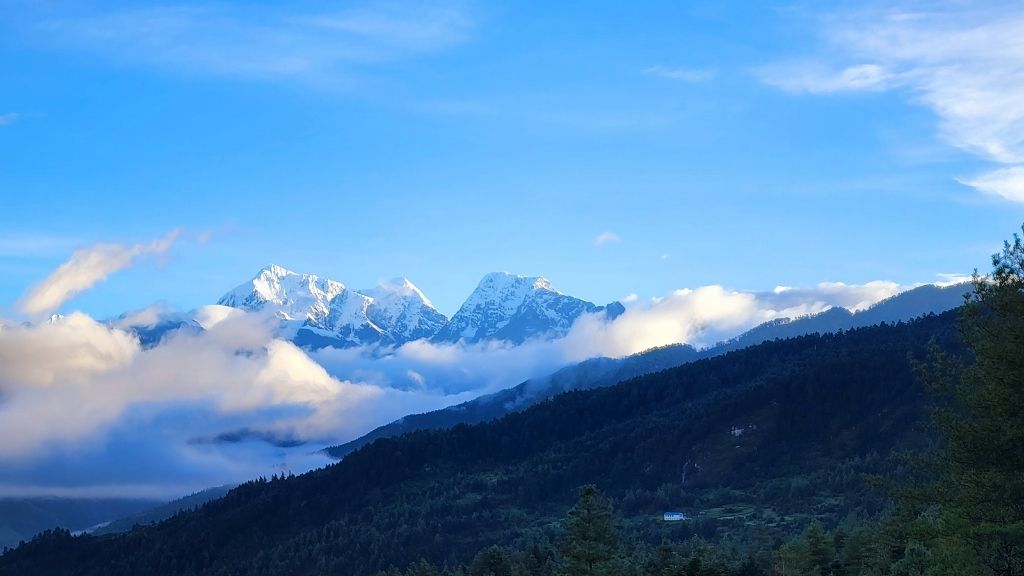
Nepal has once again made the world look toward the Himalayas with pride. The country recently received international recognition as one of the best trekking destinations in the world, a moment that feels special not only for Nepal’s tourism industry but also for every traveller who has walked its mountain trails.
For many years, Nepal has been known as the home of the Himalayas. It is where trekkers come to see the world’s highest peaks, experience mountain village life, and challenge themselves on unforgettable trails. This latest award confirms what trekkers have already been saying for years. Nepal is one of the most rewarding places on earth for trekking.
From the famous Mount Everest region to the peaceful valleys of Langtang Valley and the classic routes of the Annapurna region, Nepal offers something very special. Every trail brings a mix of mountains, culture, nature, and adventure that is hard to find anywhere else.
This global recognition also comes at the perfect time. More travellers in 2026 are searching for meaningful outdoor adventures. Trekking is becoming more popular because people want nature, fresh air, and real cultural experiences. Nepal gives all of that in one journey.
Whether someone wants a short scenic trek or a high mountain expedition, Nepal continues to welcome trekkers from around the world with warm hospitality and unforgettable views.
This award is more than a title. It helps Nepal stand stronger on the global tourism map.
When a country receives international recognition for trekking, it creates more trust among travellers planning their holidays. People who have never visited Nepal begin searching for routes, checking travel options, and learning about mountain adventures here.
For Nepal, that brings many positive results, such as
Places like Namche Bazaar, Pokhara, and Syabrubesi benefit directly when trekking tourism grows. A trekker may visit for mountain views, but their journey supports transport workers, hotel owners, local farmers, and many families living in trekking regions.
That is why this recognition matters far beyond tourism. It also helps local communities across Nepal.
Many countries offer hiking and mountain travel, but Nepal feels different. One reason is the Himalayas. Nepal has eight of the world’s fourteen highest mountains. That includes Mount Everest, the highest peak on Earth. Another reason is variety. Trekkers can choose:
The landscapes change every day on the trail. You may walk through green forests in the morning, cross rivers in the afternoon, and watch snow-covered peaks glowing during sunset.
Then there are the people. Nepali hospitality is one of the reasons travellers return again. Local communities welcome visitors with kindness. Tea houses feel warm and personal. Sharing meals with mountain families creates real memories.
That connection between nature and culture is what makes Nepal stand out.
For anyone thinking about trekking in Nepal in 2026, this award is a strong sign. Nepal remains one of the world’s most trusted trekking destinations. Trekkers can expect:
Popular routes may also become busier because international interest is growing. That makes planning early a smart idea, especially during spring and autumn. Travelers looking for quieter routes can also explore less crowded destinations like Khopra Danda, Ruby Valley, and Mardi Himal.
Nepal’s recent recognition is not just about winning an award. It is about celebrating the trails, mountains, cultures, and communities that make trekking here unforgettable. And for trekkers around the world, it sends one clear message:
If Nepal is on your trekking list for 2026, this may be the perfect year to go.
Nepal has long been known as a dream destination for mountain lovers. From first-time hikers to experienced trekkers, thousands of travelers visit Nepal every year for one reason. This country offers one of the best trekking experiences in the world.
The recent international recognition as a top trekking destination did not happen by chance. Nepal has earned that reputation through its natural beauty, rich mountain culture, and unforgettable trekking routes.
Trekking in Nepal feels different from many other places. It is not only about walking in the mountains. It is about seeing snow-covered Himalayan peaks, staying in local tea houses, meeting welcoming people, and experiencing village life along the trail. That combination makes Nepal special.
Here are the biggest reasons why Nepal continues to be called the best trekking destination in the world.
Nepal is home to the greatest mountain range on earth. Eight of the world’s fourteen highest peaks are here, including Mount Everest, Annapurna I, and Manaslu. That means trekkers in Nepal are surrounded by some of the most dramatic mountain scenery in the world. On many trails, the views change every day. You may see:
Places like Poon Hill and Kala Patthar are famous because the mountain views feel close, wide, and unforgettable. For many travellers, seeing the Himalayas in person becomes the highlight of their journey.
One of the best things about Nepal trekking is that there is a trail for almost everyone. Not every trek needs climbing experience. Beginners can enjoy routes like:
People wanting moderate adventure can choose the following:
Experienced trekkers often choose:
This variety helps Nepal welcome both new trekkers and serious adventurers.
Trekking in Nepal is not only about mountains. The trails pass through villages where local traditions remain strong.
In the Everest region, trekkers experience Sherpa culture. In Annapurna, villages are home to the Gurung and Magar communities. In Langtang, the Tamang culture is part of everyday life. You may visit:
Food also becomes part of the experience. A warm plate of dal bhat after a long day on the trail feels simple and memorable. These cultural moments give trekking in Nepal a deeper connection.
Nepal is famous for teahouse trekking.
This means trekkers stay in local lodges along the route instead of camping. Tea houses usually offer the following:
This makes trekking easier for travellers because they do not need to carry heavy camping equipment. It also creates more connection with local communities. Regions like the Annapurna Region and the Khumbu Region have some of the best tea house networks in the Himalayas. For many trekkers, evenings spent around the dining room become one of their favourite memories.
A trek in Nepal can feel exciting and peaceful at the same time. There are moments of challenge:
And there are moments of quiet:
That balance is one reason travellers feel so connected here. Nepal offers adventure without losing the calm beauty of nature.
Compared with many international trekking destinations, Nepal often feels more budget-friendly. Travellers can find:
Whether someone wants a comfortable guided trip or a simple trekking experience, Nepal offers flexible choices. That makes trekking here possible for many travellers.
A lot of travellers come to Nepal once and then return again. The reason is simple.
There is always another valley, another mountain view, and another experience waiting. That is why Nepal continues to be loved by trekkers worldwide.
Nepal is the best trekking destination because it combines the world’s highest mountains, beautiful trekking routes, rich local culture, welcoming tea houses, and unforgettable Himalayan views in one country.
That combination is rare. And it is why Nepal continues to earn global recognition as one of the best places on earth for trekking.
Nepal is known around the world for trekking, and the biggest reason is its incredible variety of trails. From famous base camp journeys to peaceful hidden valleys, Nepal offers trekking experiences for every kind of traveler.
Some trekkers come for high Himalayan adventure. Others come for mountain villages, local culture, forests, and sunrise views. Nepal gives all of that in one country. The trails here are more than walking routes. They are journeys through landscapes, cultures, and mountain communities that stay in memory for a long time.
These are the top trekking routes that helped Nepal earn global recognition as one of the best trekking destinations in the world.
For many trekkers, Everest Base Camp is the dream. This is Nepal’s most famous trek and one of the most well-known trekking routes anywhere in the world. The journey usually begins with a flight to Lukla Airport and continues through Sherpa villages and beautiful mountain trails. Along the route trekkers pass:
The final reward is standing at the foot of Mount Everest and watching sunrise from Kala Patthar. Why trekkers love the Everest Base Camp Trek:
It remains one of the top trekking routes in Nepal for 2026.
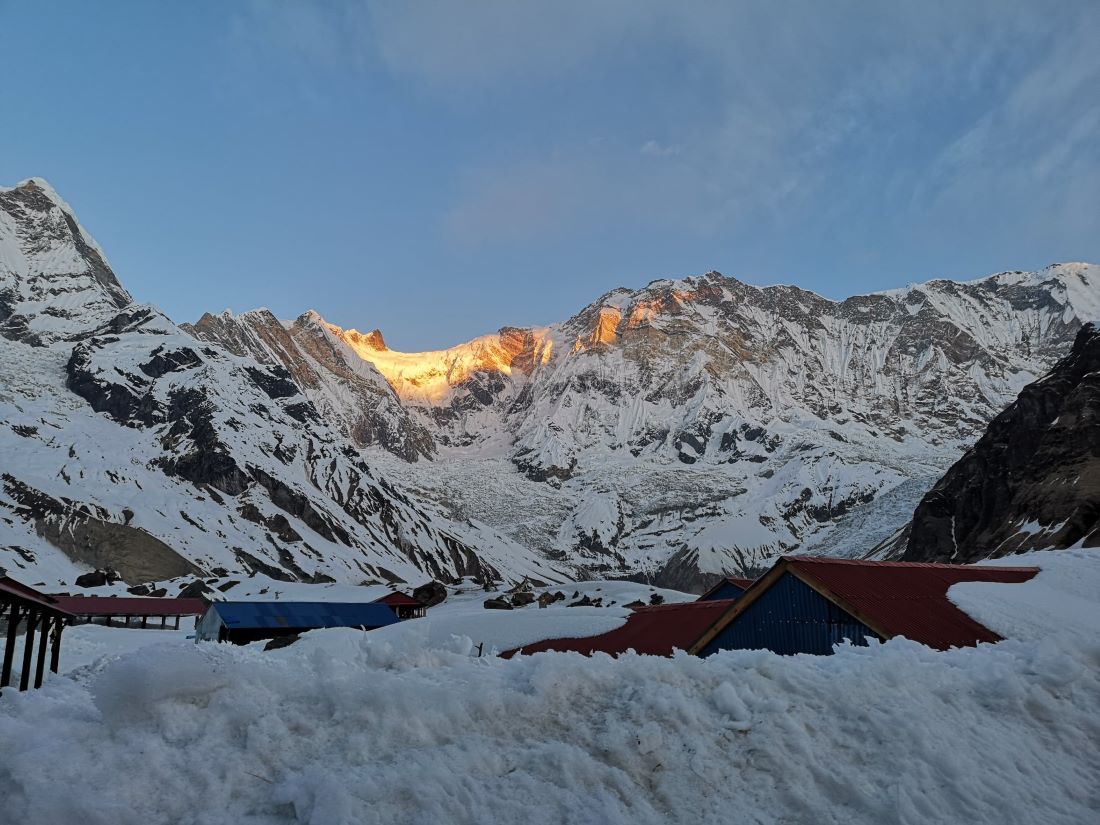
Annapurna Base Camp is one of Nepal’s most loved trekking routes. This trek offers a perfect mix of mountain scenery, local culture, forests, and tea house comfort. The trail often passes through:
At base camp, trekkers are surrounded by giant peaks, including Annapurna I and Machhapuchhre. Why most people choose the ABC trek:
It is one of Nepal’s best treks for both first-time and experienced trekkers.
Langtang Valley is a favourite for trekkers who want beautiful Himalayan scenery with fewer crowds. It is also one of the closest trekking destinations from Kathmandu. The trail passes through forests, rivers, yak pastures, and Tamang villages. Some of the highlights include:
Trekkers enjoy:
Langtang is one of Nepal’s most rewarding treks near Kathmandu.
For trekkers wanting a more challenging route, Manaslu Circuit Trek is one of Nepal’s best. This trek circles Mount Manaslu, the eighth-highest mountain in the world. The route feels more remote than Everest or Annapurna.
The highlights of the Manaslu Circuit Trek include:
Trekkers love Manaslu because it feels wild, peaceful, and less crowded.
Not everyone wants a long high-altitude trek. Ghorepani Poon Hill Trek is one of Nepal’s best short trekking adventures. It is famous for sunrises from Poon Hill. The view includes:
Why it is popular:
This trek is a great choice for beginners.
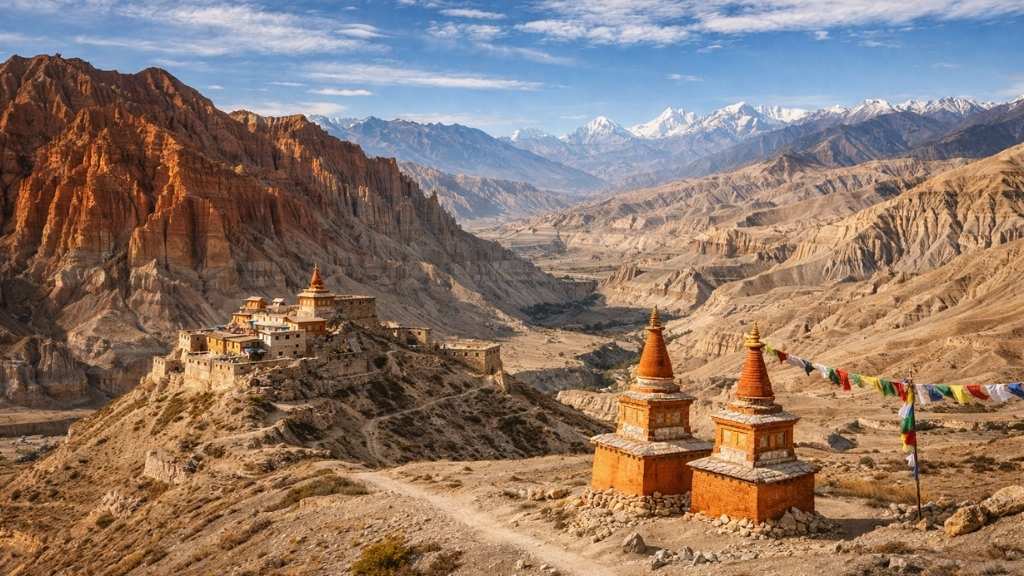
Upper Mustang feels different from anywhere else in Nepal. The landscape is dry and dramatic. Trekkers see:
The main highlight is visiting Lo Manthang. This trek is perfect for travellers who want culture and unique landscapes.
Mardi Himal has become very popular in recent years. The trail offers:
Trekkers enjoy close views of Machhapuchhre. It is shorter than many classic treks but still feels adventurous.
The simple answer is
These routes helped Nepal earn worldwide respect because they combine mountains, culture, adventure, and unforgettable experiences. Every trek feels different.
But all of them show why Nepal continues to be one of the world’s most loved trekking destinations.
Many countries offer hiking and mountain adventures. Travelers can trek in places across Europe, South America, and Asia. Every destination has its own beauty. But trekking in Nepal feels different. That is one of the biggest reasons Nepal recently received global recognition as one of the best trekking destinations in the world.
A trek in Nepal is not only about reaching a viewpoint or walking on a trail. It becomes a full experience. You walk through mountain villages, meet local people, enjoy tea house life, and wake up every day surrounded by the Himalayas.
That special mix is difficult to find anywhere else. Here are the main reasons trekking in Nepal stands apart from other countries.
The first thing many trekkers notice in Nepal is how close the mountains feel. Nepal is home to some of the highest peaks on earth, including Mount Everest, Annapurna I, and Manaslu.
Unlike some trekking destinations where mountains stay far away, Nepal’s trails often bring trekkers directly into the heart of the Himalayas. You may spend the day walking through forests and then suddenly see giant snowy peaks rising above nearby villages.
Places like
gives mountain views that feel huge and unforgettable. That close connection with the Himalayas is one of Nepal’s biggest strengths.
Nepal is famous worldwide for teahouse trekking. This makes trekking here very different from many countries. Instead of carrying camping tents and cooking equipment, trekkers can stay in local tea houses along the route.
A tea house usually offers the following:
But the best part is the personal feeling. Tea houses are often run by local families. After a long trekking day, sitting by the fire with tea and talking with the hosts feels warm and memorable. Popular trekking areas like the Annapurna Region and the Khumbu Region are known for this experience.
For many travellers, tea house trekking becomes one of the most loved parts of Nepal.
In Nepal, trekking and culture naturally come together.
The trails pass through villages where traditional lifestyles are still part of daily life. In the Everest region, trekkers experience Sherpa culture. In Annapurna, they pass the Gurung and Magar communities. In Langtang, they experience the Tamang culture. Along the route, you may see:
Places like Tengboche Monastery and Kyanjin Gompa add a peaceful and spiritual side to the trek. This cultural connection makes the journey feel deeper than just walking.
Another reason Nepal stands out is variety. Travellers can choose world-famous treks or quiet hidden routes. The well-known treks include:
The less crowded but beautiful options include the following:
That means every traveler can find the right experience. Adventure, peace, short trek, long trek. Nepal has all of it.
One thing trekkers often remember most is the people. Nepali hospitality feels natural and genuine. Whether in Namche Bazaar, Chhomrong, or Langtang Village, travellers are welcomed warmly. A simple greeting, hot tea, or shared meal can turn into a meaningful memory. This feeling matters.
Beautiful mountains attract visitors. But friendly people often bring them back.
Nepal offers flexible trekking options for different budgets compared with many mountain destinations around the world. Travellers can choose:
This makes trekking in Nepal more accessible. People can plan based on their budget and travel style. That flexibility helps Nepal remain a top trekking destination.
Nepal’s landscapes change quickly. One trek can include:
In spring, rhododendron forests bloom. In autumn, skies are clear, and mountain views feel sharp. Because of this variety, every day on the trail feels fresh.
Nepal offers world-class Himalayan mountain views, local tea house trekking, rich mountain culture, welcoming people, and a wide variety of trails all in one place. That combination is rare.
And it is one of the biggest reasons Nepal continues to stand proudly as one of the best trekking destinations in the world.
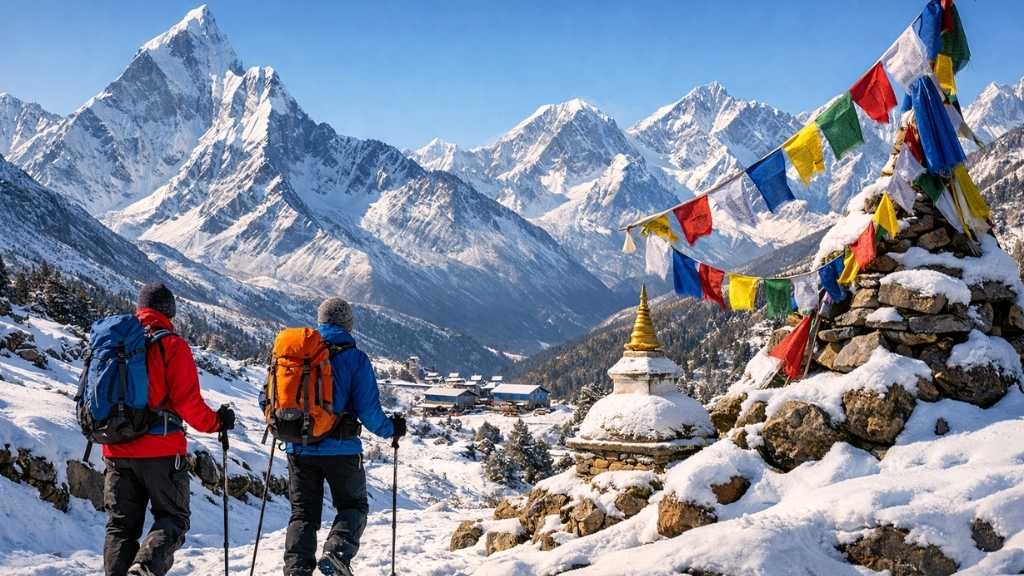
After Nepal received global recognition as one of the best trekking destinations in the world, more travelers are now planning their trips for 2026 and beyond. But one of the most common questions is:
The answer depends on the season, weather, and the trekking route you choose. Nepal has four main trekking seasons, and each one offers a different experience. Choosing the right time can make your journey more beautiful, safer, and more comfortable.
Autumn is widely considered the best time for trekking in Nepal. After the monsoon, the skies become clear, and the mountains look sharp and bright. During this season, you can enjoy perfect views of peaks like Mount Everest, Annapurna I, and Manaslu.
Why autumn is special:
Popular trails like Everest Base Camp, Annapurna Base Camp, and Manaslu Circuit Trek are busiest during this season. If you want the best views and perfect trekking conditions, autumn is the top choice.
Spring is another excellent trekking season in Nepal. The weather becomes warm, and nature starts to bloom. One of the highlights is rhododendron forests, especially in the Annapurna region. Popular trekking destinations like Ghorepani Poon Hill Trek and Langtang Valley look especially beautiful during this time. Why spring is loved:
Spring is perfect for trekkers who enjoy colorful landscapes and mild weather.
Winter trekking in Nepal is colder, but it offers peaceful trails and stunning snowy scenery. Higher regions like Everest Base Camp and Annapurna Base Camp can become very cold, but lower altitude treks are still possible.
Best parts of winter trekking:
Recommended winter-friendly treks include:
Winter is best for trekkers who want quiet trails and cold mountain beauty.
Monsoon season brings heavy rain in many parts of Nepal, but it also transforms the landscape into deep green beauty. The mountains may be cloudy, but some regions are still good for trekking. Best monsoon-friendly areas include:
Why do some of the trekkers choose the monsoon:
However, landslides and slippery trails can affect many routes, so planning is important.
Here is a simple breakdown:
Different treks perform better in different seasons:
Autumn (September to November) is the best season for trekking in Nepal because of clear skies, stable weather, and perfect mountain views.
Spring is the second-best choice, especially for nature and flowers.
Nepal offers trekking throughout the year, but each season gives a different experience.
No matter when you come, the Himalayas are always waiting.

When Nepal received global recognition as one of the best trekking destinations in the world, it was not just a proud moment. It also created a big positive impact for the country’s tourism industry. In 2026, this award is expected to bring more trekkers, more opportunities, and more attention to Nepal’s Himalayan regions.
Tourism is one of the most important parts of Nepal’s economy, especially in mountain areas. So when Nepal gets international recognition, the benefits reach both cities and remote villages. Let’s understand how this award is helping Nepal grow.
One of the biggest impacts is increased interest from global travelers. When people see Nepal recognized internationally, it builds trust. Many first-time visitors now search for trekking routes like:
Travel blogs, videos, and social media are also spreading awareness about Nepal’s trekking beauty. As a result, more people are planning trips to Nepal in 2026 and beyond.
Trekking in Nepal supports thousands of local workers. With more tourists coming, local guides, porters, and trekking agencies are getting more job opportunities. In regions like:
Many families depend directly on trekking tourism. This award helps bring more stable income and long-term work opportunities for them. It also encourages young people in mountain areas to stay and work in tourism instead of moving away.
Tea houses are the heart of trekking in Nepal. With increasing tourist flow, tea house owners benefit directly. More trekkers mean the following:
Popular trekking regions like Annapurna Region and Khumbu Region are especially seeing growth in tourism services. This helps small businesses in remote mountain villages grow steadily like:
International recognition means more media attention. Travel companies, influencers, and tourism boards start promoting Nepal more actively.
This helps Nepal appear more often in:
Famous destinations like Mount Everest and Langtang Valley get more global visibility. This creates a strong brand image for Nepal as a top trekking country.
When tourism increases, infrastructure also improves. This includes:
Areas like Everest Base Camp and Annapurna Base Camp are already seeing continuous improvements due to high trekking demand. This makes trekking safer and more comfortable for future visitors.
Many trekking regions in Nepal are remote and depend heavily on tourism. With more visitors, money flows into local villages. This supports:
Villages in areas like Langtang Valley and Manaslu Circuit Trek benefit directly from trekking income. Tourism becomes a lifeline for many families living in the Himalayas.
With global recognition also comes responsibility. Nepal is now focusing more on sustainable trekking practices, such as:
This helps keep trekking routes clean and safe for future generations.
It increases international tourism, supports local jobs, improves infrastructure, and strengthens Nepal’s economy, especially in mountain regions.
This recognition is more than just an award. It is a sign that Nepal’s mountains, people, and trekking culture are being appreciated by the world. And as 2026 continues, Nepal is becoming even more important as a global trekking destination.

Trekking in Nepal is an unforgettable experience, especially after the country received global recognition as one of the best trekking destinations in the world. But even though Nepal is welcoming and well-developed for trekking, proper planning is still important. The mountains are beautiful, but they also require preparation for safety, comfort, and enjoyment.
If you are planning a trek in 2026, these essential tips will help you have a smooth and safe journey.
Most trekking routes in Nepal requires permits. Depending on the region, you may need the following:
For example:
You should always check updated rules before your trek starts. You must hire a licensed guide for safety and better experience. In recent years, Nepal has encouraged guided trekking for safety reasons. A local guide helps you with:
In remote treks like Manaslu Circuit Trek, a guide is mandatory. Even on popular routes like Everest and Annapurna, having a guide makes the journey easier and safer.
Packing is very important for trekking in Nepal. You should carry:
Avoid carrying unnecessary heavy items. In Nepal, tea houses are available, so you do not need camping gear for most routes.
Many trekking routes in Nepal go above 3,000 meters. The places like:
Can cause altitude sickness if you go too fast. To stay safe, you must:
If symptoms become serious, you should descend immediately down to the lower altitude.
Weather plays a big role in your experience. As mentioned earlier:
Choosing the right season makes trekking safer and more enjoyable.
Nepal’s trekking routes pass through traditional villages. While trekking, always:
The mountains are beautiful because they are still clean and culturally rich. Keeping them that way is important.
Some trekking areas offer Wi-Fi or mobile networks, but they are not always reliable. Instead of depending on internet:
In remote areas like the Manaslu Circuit Trek, the connection may be very limited for you.
Permits, proper gear, physical preparation, a guide (if needed), and awareness of altitude sickness and weather conditions.
Trekking in Nepal is not difficult if you are well prepared. With the right planning, even beginners can enjoy the Himalayas safely. And after Nepal’s global recognition, more people are choosing it as their dream trekking destination, so preparation is the key to a perfect journey.
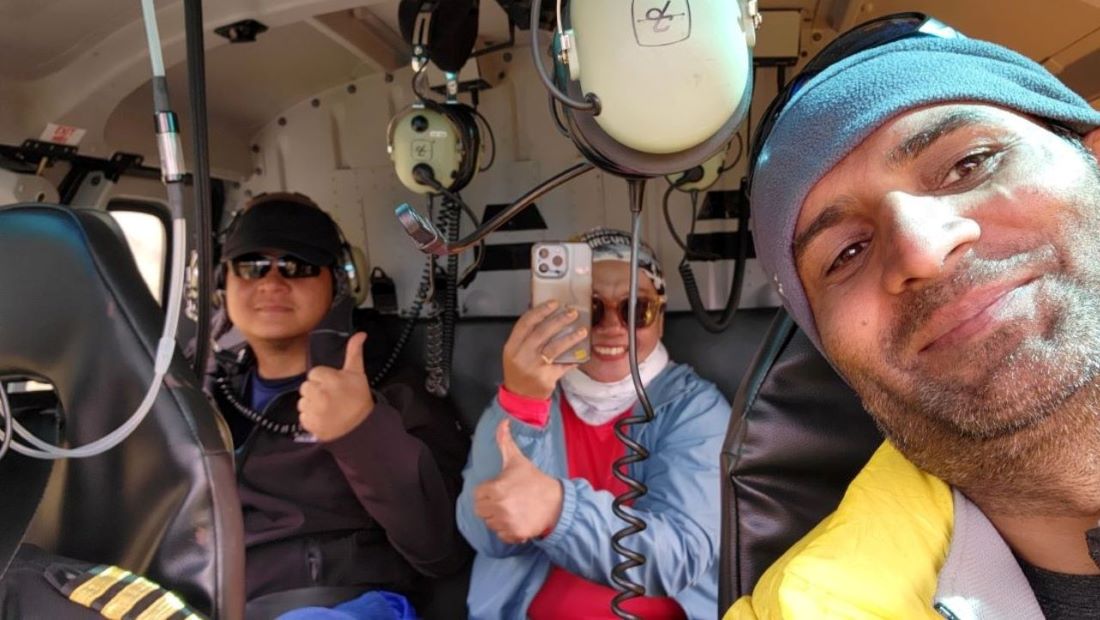
After Nepal received global recognition as one of the best trekking destinations in the world, many travellers started searching for clear answers before planning their trips. To help you understand better, here are the most common questions people ask about trekking in Nepal in 2026.
These answers are simple, direct, and useful for first-time trekkers as well as experienced hikers.
I. Why did Nepal win the best trekking destination award?
Nepal received this recognition because of its unique combination of natural beauty, culture, and trekking variety.
With world-famous mountains like Mount Everest, trekking routes like Annapurna Base Camp, and peaceful valleys like Langtang Valley, Nepal offers experiences that are hard to find anywhere else. It also has:
II. Is Nepal really the best country for trekking?
Yes, many travelers and experts consider Nepal the best trekking country in the world. The reason is simple:
Nepal has the Himalayas, culture, and trekking variety all in one place. You can trek for a few days or for several weeks, and every route feels different. From the Everest Base Camp to the Ghorepani Poon Hill Trek, every trek offers something unique.
III. Which trek is best for beginners in Nepal?
If you are a beginner, Nepal has many easy and beautiful treks. Some of the best options include:
These treks are shorter, safer, and do not require technical climbing skills. They still offer amazing mountain views and cultural experiences.
IV. When is the best time to trek in Nepal?
The best time for trekking in Nepal is
For example:
Everest Base Camp is best in the spring and autumn. Upper Mustang is best even in the monsoon season.
V. Is trekking in Nepal safe in 2026?
Yes, trekking in Nepal is generally safe in 2026. Most popular routes, like
They have good trails, tea houses, and rescue support. However, your safety depends on preparation like the following:
VI. Do I need a guide for trekking in Nepal?
In many trekking areas, yes, a guide is recommended or required. For example, in the Manaslu Circuit Trek, a licensed guide is mandatory. On other popular routes like Everest and Annapurna, a guide is not always required but strongly recommended. A guide helps with:
VII. How much does trekking in Nepal cost?
The cost of trekking in Nepal depends on the following:
On average:
Nepal is still considered one of the most affordable trekking destinations compared to many countries.
VIII. What is the hardest trek in Nepal?
Some of the most challenging treks include:
These treks require good fitness, experience, and more time.
IX. Why is Nepal famous for trekking?
Yes, Nepal is famous for trekking because of the Himalayas, culture, and world-class trekking routes.
X. Is Nepal good for beginners?
Yes, many easy treks like Poon Hill and Mardi Himal are perfect for beginners to trek in Nepal for the first time.
XI. Is a guide necessary?
Yes, a trekking guide is recommended everywhere for you and mandatory in some regions.
Trekking in Nepal is flexible for all types of travellers. Whether you are a beginner or an experienced trekker, Nepal offers routes that match your ability, budget, and interest. And with Nepal’s growing global recognition, more travellers are choosing it as their number one trekking destination in 2026.
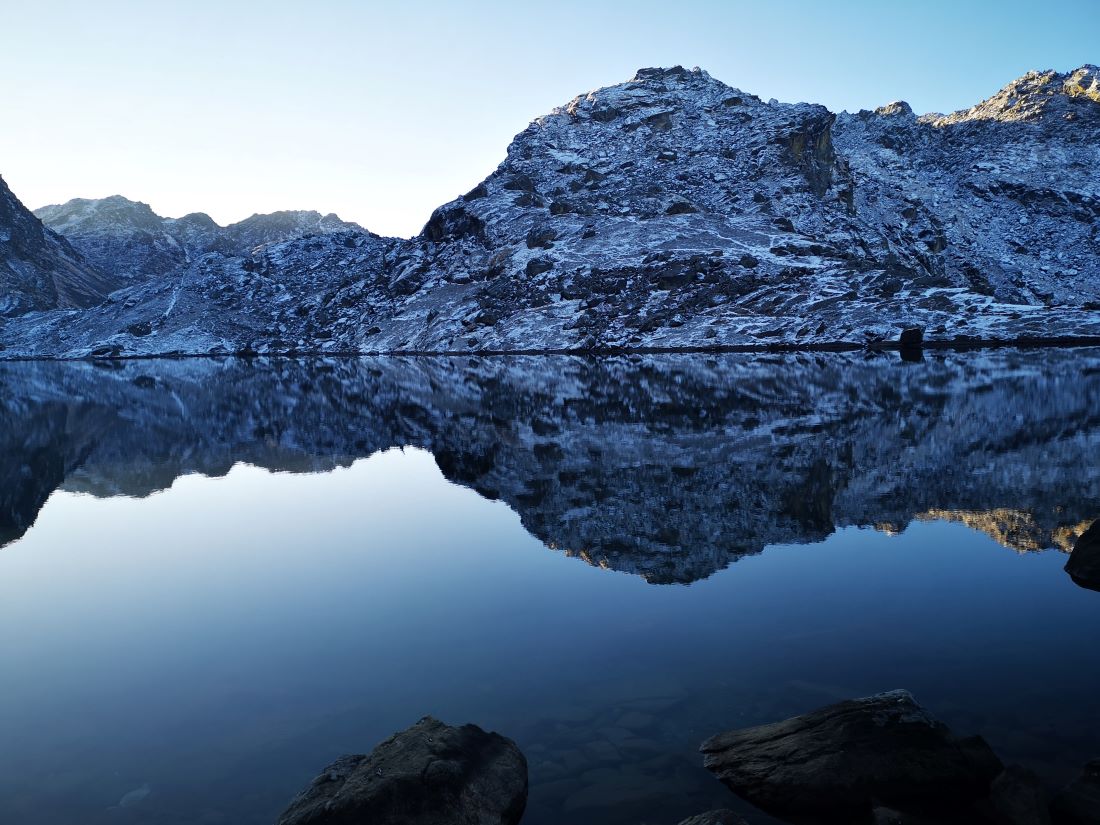
Nepal is not just another trekking country. It is a place where mountains, culture, and adventure come together in one journey.
After receiving global recognition as one of the best trekking destinations in the world, Nepal has become even more popular among travelers planning their 2026 adventures. But beyond awards and rankings, what really makes Nepal special is the experience itself. It stays with you long after the trek ends.
Nepal is home to some of the highest and most beautiful mountains in the world. From the legendary Mount Everest to the stunning peaks of Annapurna Region and the remote beauty of Manaslu Circuit Trek, every trail offers unforgettable mountain views. You don’t just see the Himalayas in Nepal. You walk beside them. That feeling is rare anywhere else in the world.
Trekking in Nepal is not only about nature. It is also about people. Along the trails, you meet local communities who welcome you with warmth and simplicity.
In places like:
You experience real mountain life, local food, and traditional culture. This human connection is what makes trekking in Nepal unforgettable.
Whether you are a beginner or an experienced trekker, Nepal has a route for you. You can choose:
Each trek gives you a different experience, but all of them show the same beauty of Nepal.
Nepal has improved its trekking system over the years. Today, most popular routes offer the following:
Destinations like Annapurna Base Camp and Everest Base Camp are well-managed and safe for travellers. With proper planning, trekking in Nepal is suitable for almost everyone.
Many countries offer trekking, but Nepal stands out because it combines everything in one place:
That is why Nepal continues to be recognized as one of the best trekking destinations in the world.
Nepal should be your next trekking destination because it offers unmatched Himalayan views, rich local culture, safe trekking routes, and experiences that stay with you for life.
Trekking in Nepal is not just a trip. it is a memory, an experience, and a journey into the heart of the Himalayas. From easy walks to challenging expeditions, every trail tells a story.
And now, with Nepal’s global recognition as a top trekking destination, there has never been a better time to explore it.
If Nepal is on your bucket list for 2026, it is not just a choice. It is the right one.
 25+ years of trusted experience Local experts with personal care Safe, budget-friendly & customized treks Real stories, real people, real mountains
 DM us now for your dream Himalayan journey!