The first thing you’ll notice after landing in Nepal isn’t the mountains. It’s the feeling that the place is already wide awake. So, there are many things tourists must know before visiting Nepal in 2026.
The streets of Kathmandu hum with life from early morning. Crossing a Kathmandu street for the first time can feel like a game of chance. Motorbikes appear from every direction, the scent of incense drifts from centuries-old temples, vendors greet customers with warm smiles, and prayer flags flutter above rooftops. At first glance, it can feel wonderfully chaotic. Give it a day or two, and the chaos starts making sense.
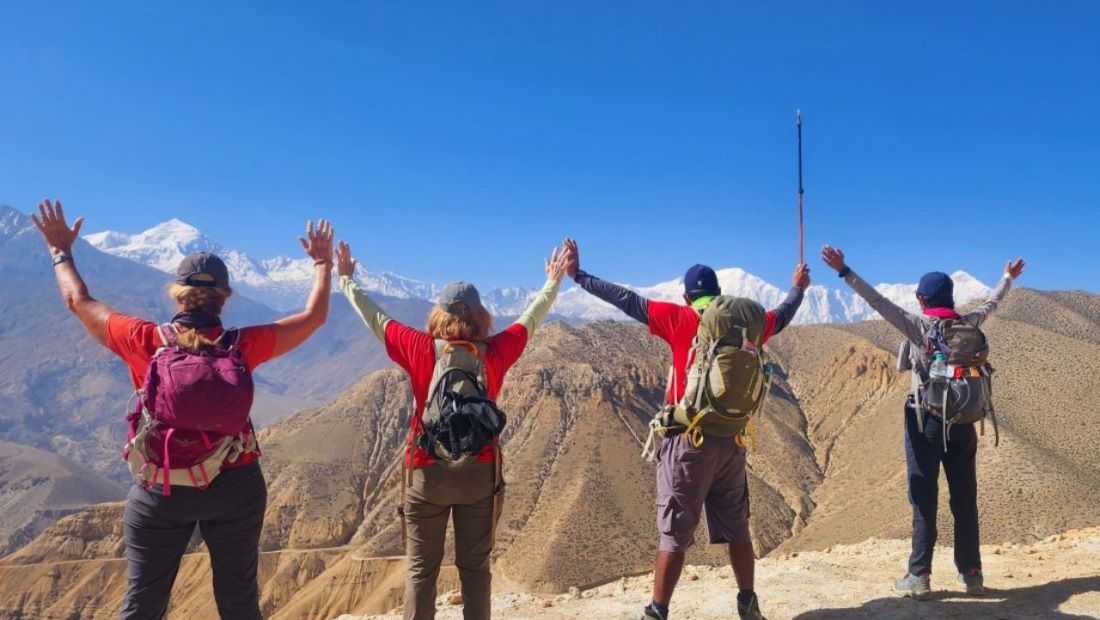
A few hours later, that same country begins to reveal another side of itself. The city noise fades behind winding mountain roads. Hills covered with terraced farms replace concrete buildings. Snow-capped peaks appear on the horizon, growing larger with every turn. By the time you’re standing beneath the Himalayas, it’s hard to believe both experiences belong to the same destination. It’s one of the things people remember long after they leave.
For some travelers, it’s the dream of reaching Everest Base Camp. Others come for the Annapurna trails, jungle safaris in Chitwan, peaceful monasteries in Mustang, or sunrise views from Poon Hill. Most people arrive for the mountains. They leave remembering the conversations they had, the cups of tea they shared, and the kindness of strangers. The people who enjoy Nepal the most are usually the ones who arrive with realistic expectations and a little preparation.
A short amount of planning before your flight can save a lot of headaches later. Knowing the best season to visit, understanding permits, packing for changing conditions, and allowing time to acclimatize means you’ll spend less time dealing with surprises and more time enjoying Nepal. The country has its own way of doing things, and that’s part of the experience.
If it’s your first visit, the tips below will help you avoid common mistakes and make the most of your time here. Whether you’re trekking through the Everest region, exploring Kathmandu’s heritage sites, wandering the lakeside streets of Pokhara, or discovering Nepal at your own pace, these tips will help you travel with confidence in 2026.
Quick Answer: What to Know Before Visiting Nepal in 2026
Before visiting Nepal in 2026, plan around the trekking seasons, sort your visa and permits early, pack for fast-changing mountain weather, and take altitude seriously. Carry enough cash for trekking regions, arrange proper high-altitude travel insurance, and respect local culture. Here are the 10 things every first-time visitor should know:
- Choose the best time to visit for your plans (trekking, cities, wildlife, or festivals).
- Understand Nepal’s visa requirements and the visa-on-arrival process.
- Prepare for weather that changes quickly as you gain altitude.
- Arrange the trekking permits required for your route.
- Know how to recognize and prevent altitude sickness.
- Carry enough cash, as trekking regions are largely cash-only.
- Respect local culture, customs, and religious sites.
- Expect slower, less reliable internet and mobile coverage in the mountains.
- Get travel insurance that covers high-altitude trekking and helicopter evacuation.
- Look beyond Everest, since Nepal has many other rewarding trekking regions.
Why Nepal Continues to Attract Travelers in 2026
Nepal has never been the kind of destination that depends on luxury resorts or flashy attractions. People visit because the country offers experiences that are difficult to find anywhere else. In many parts of the country, daily life still revolves around traditions passed down for generations, and it’s common to see ancient temples sitting beside busy markets. Even in 2026, that part of Nepal hasn’t changed.
What has changed is getting around. Traveling in Nepal is generally easier today than it was a few years ago. As more travelers have returned, it has become easier to find better transport, accommodation, and trekking services across many popular destinations. Roads connecting major destinations have improved, domestic flights operate more efficiently on many routes, and accommodations now cater to a wider range of travelers, from backpackers on a budget to those looking for boutique lodges and comfortable mountain teahouses.
Finding Wi-Fi is far easier than it used to be. In Kathmandu and Pokhara, it is rarely a problem, and even many trekking villages now offer internet access, although the speed can still vary.
Trekking remains the main reason many people visit. Destinations such as Langtang, Upper Mustang, and the Manaslu region have seen growing interest from travelers looking for quieter trails and a more immersive cultural experience. More trekking companies, local communities, and conservation groups now encourage visitors to refill water bottles, hire local guides, and support community-run lodges. Small choices like this help protect fragile mountain environments while supporting local livelihoods.
One noticeable change for trekkers is the evolving permit and guide regulations on some popular routes. These updates are designed to improve visitor safety, protect natural areas, and ensure tourism benefits local communities. Before planning your trek, it is always worth checking the latest rules through an experienced local operator or the relevant tourism authorities.
Few countries pack so much variety into such a small area. Within a single trip, you can wander through medieval palace squares, paddle across a peaceful lake in Pokhara, watch rhinos grazing in Chitwan National Park, sip tea in a mountain village, and stand face to face with some of the highest peaks on Earth. Perhaps that is why so many visitors return, often to see the places they missed the first time.
Best Time to Visit Nepal: Season-by-Season Guide
When you visit Nepal can make just as much difference as where you go. Nepal is a year-round destination, but the experience changes a lot from one season to another. Weather, trail conditions, mountain views, festivals, and even the number of people you’ll meet on the trails all depend on when you visit.
There is no single “best” time to visit. It depends on whether you are coming to trek, explore cities, spot wildlife, or experience local festivals.
Spring in Nepal (March to May): Best for Trekking
Spring is one of the busiest times to visit Nepal, especially for trekkers. The weather is generally stable, temperatures are comfortable, and the hillsides come alive with blooming rhododendron forests. As the winter snow melts, more high-altitude trails begin to open.
This is also an excellent season for Everest Base Camp, Annapurna Base Camp, Langtang Valley, and many other high-altitude treks. The only trade-off is that you will have plenty of company on popular trails. If you are planning to trek during spring, booking guides, accommodations, and domestic flights well in advance is a smart idea.
Best for:
- Trekking
- Mountain photography
- Wildlife viewing
- First-time visitors
Autumn in Nepal (September to November): Clearest Mountain Views
For many trekkers, autumn is the highlight of the year. After the summer monsoon clears, the air becomes crisp and remarkably clean. Visibility is often at its best, making this the ideal season for panoramic mountain photography. Temperatures remain pleasant during the day, while evenings gradually become cooler as winter approaches.
Autumn also coincides with some of Nepal’s biggest festivals, including Dashain and Tihar, giving visitors a chance to experience local celebrations alongside their trekking adventures. Because autumn is so popular, trails and teahouses fill up quickly, especially in October, so it is worth booking ahead.
Best for:
- Everest Base Camp Trek
- Annapurna Circuit
- Photography
- Cultural experiences
Winter in Nepal (December to February): Quiet Trails
Winter is much quieter, especially on the trekking routes. Lower-altitude regions such as Kathmandu, Pokhara, Bandipur, and Chitwan remain pleasant during the day, making them excellent choices for sightseeing.
If you are trekking in winter, do not be surprised to find frozen water bottles or icy teahouse mornings above 4,000 meters. Snow can block mountain passes, and temperatures in places like Gorak Shep or Thorong Phedi often drop well below freezing overnight.
If you do not mind the cold, winter can be a great time to visit. Trails are noticeably quieter, mountain views can be exceptionally clear, and experienced trekkers who prepare properly often enjoy a more peaceful experience.
Monsoon in Nepal (June to August): Rain-Shadow Treks
Most travelers avoid the monsoon, but it is not always a bad time to visit. Heavy rainfall affects much of central Nepal, making trails muddy and increasing the likelihood of landslides in some regions. Mountain views are less predictable, and domestic flight delays become more common.
Yet the monsoon has its own appeal. The countryside turns a vibrant green, waterfalls are at their most dramatic, and you might spend an entire afternoon walking without passing another trekking group. Rain-shadow areas such as Upper Mustang and Dolpo remain excellent trekking destinations during this period because they receive far less rainfall than other parts of the country.
Nepal Weather Month by Month: Quick Overview
- January to February: Cold but peaceful, ideal for city tours and lower-altitude hikes.
- March to April: Peak trekking season with blooming rhododendrons and pleasant weather.
- May: Warmer conditions and excellent mountain access before the monsoon arrives.
- June to August: Monsoon across much of Nepal, best for rain-shadow regions.
- September to October: Crystal-clear skies, major festivals, and outstanding trekking conditions.
- November: Stable weather with cooler evenings and spectacular mountain visibility.
- December: Fewer visitors and beautiful winter scenery.
The best time to visit really depends on what you want to do. A trek to Everest Base Camp, a wildlife safari in Chitwan, and a cultural trip around Kathmandu all have different ideal seasons.
Nepal Visa Requirements 2026: Visa on Arrival, Fees, and Duration
For citizens of most countries, getting a tourist visa for Nepal is a fairly straightforward process, especially if you are arriving through Tribhuvan International Airport in Kathmandu.
How to get a Nepal Visa on Arrival
If you are eligible, you can usually get a tourist visa after landing at Tribhuvan International Airport in Kathmandu. The process involves filling out an arrival form, showing your passport, paying the visa fee, and going through immigration. Filling out the online arrival form before you fly can save you some time at the airport.
Passport Validity Rules for Nepal
Your passport should generally remain valid for at least six months from your date of entry into Nepal. Immigration officers may also ask for proof of onward travel or sufficient funds, although this is not requested from every traveler.
Nepal Tourist Visa Duration Options
Tourist visas are commonly available for:
- 15 days
- 30 days
- 90 days
Pick the visa length that best fits your travel plans. If you decide to stay longer, you can usually extend your tourist visa through the Department of Immigration in Kathmandu or Pokhara, subject to the current rules.
Nepal Visa Fees and Payment
Visa fees depend on how long you plan to stay. Because fees and payment methods occasionally change, it is a good idea to check the official immigration website before your trip for the current rates and accepted payment options.
Common Nepal Visa Mistakes to Avoid
It is easy to spend weeks planning your itinerary and forget to double-check the paperwork. Some of the most common mistakes include:
- Arriving with a passport that is close to expiring.
- Not carrying a couple of passport photos. You may not need them, but it is worth carrying a couple just in case.
- Assuming every nationality qualifies for Visa on Arrival.
- Waiting until the last minute to organize travel documents.
After you have cleared immigration and collected your bags, all that is left is to step outside the airport and start exploring Nepal.
Nepal Weather and Temperatures: What to Expect in the Mountains
Many first-time visitors are surprised by how quickly the weather changes once they leave Kathmandu or Pokhara and head into the mountains.
In Kathmandu or Pokhara, you might spend the afternoon walking around in a T-shirt under warm sunshine with temperatures between 20 and 28°C (68°F to 82°F) during spring or autumn. At that point, packing a heavy jacket can feel unnecessary. Two days later, you could be trekking in the Everest or Annapurna region under completely different conditions.
Altitude is the main reason. For every 1,000 meters (3,280 feet) you gain in elevation, the temperature generally drops by about 6 to 6.5°C. Since many popular trekking destinations lie between 3,000 and 5,500 meters, the difference can be dramatic.
Nepal Temperatures by Altitude
| Location | Approximate Elevation | Typical Daytime Temperature (Autumn) | Night Temperature |
| Kathmandu | 1,400 m | 22 to 26°C | 10 to 15°C |
| Pokhara | 822 m | 24 to 28°C | 14 to 18°C |
| Namche Bazaar | 3,440 m | 10 to 15°C | Around 0°C |
| Dingboche | 4,410 m | 5 to 10°C | -8 to -12°C |
| Everest Base Camp | 5,364 m | 0 to 8°C | -10 to -20°C |
This means you could leave your hotel in Kathmandu wearing a light jacket, but just a few days later, you will be layering thermal clothing, a fleece, a down jacket, gloves, and a warm hat to stay comfortable.
How Fast Mountain Weather Changes in Nepal
Temperature is not the only thing that changes. Mountain weather can shift within hours. It is common to start the morning with clear skies, only to see clouds build around the mountains by lunchtime. Depending on the season, that can mean wind, rain, or even light snow later in the day. By evening, the sky often clears again, but temperatures drop rapidly after sunset. Many experienced guides recommend starting your hike early, because conditions are generally more stable before noon.
What to Pack for Trekking in Nepal: The Layering System
A common mistake is packing based on the weather forecast for Kathmandu or Pokhara. As a result, travelers arrive in the mountains without enough warm clothing.
Instead, pack using the layering system, which lets you adapt to changing conditions throughout the day:
- Base layer: Moisture-wicking thermal top and bottom to keep sweat away from your skin.
- Mid layer: Fleece or lightweight insulated jacket for warmth.
- Outer layer: Waterproof and windproof shell to protect against rain, snow, and cold winds.
- Accessories: Warm hat, gloves, neck gaiter or buff, and thermal socks.
Layering makes it easy to adjust as conditions change. Take off a layer on steep climbs and put it back on during breaks or after sunset when temperatures drop.
Sun and UV Protection at High Altitude
Cold weather does not mean weak sunshine. At higher elevations, the atmosphere is thinner, so ultraviolet (UV) radiation is much stronger. Even when the air feels cool, you can get sunburned surprisingly quickly. Always carry:
- High-SPF sunscreen (SPF 50+ is recommended)
- UV-protection sunglasses
- A wide-brimmed hat or trekking cap
- Lip balm with SPF
Snow can also reflect sunlight, increasing your exposure.
Staying Comfortable in Changing Mountain Weather
Changing mountain conditions are simply part of the experience. Packing the right clothing, checking the forecast each morning, and listening to your guide will help you stay comfortable and safe. Most people who prepare well spend less time worrying about the weather and more time enjoying the trek. Once you are standing in front of the mountains, you will be glad you packed for changing conditions.
Nepal Trekking Permits: Which Ones You Need and Where to Get Them
Before you head into Nepal’s trekking regions, there is one thing you will need to sort out: permits. Almost every major trekking region requires some form of permit. Permit fees help maintain trails, support conservation projects, and benefit the communities that live along these routes. Requirements can change over time, so always confirm the current regulations before your trip. A licensed trekking company will usually handle the paperwork on your behalf.
Why Trekking Permits Matter in Nepal
It might seem like just another form to fill out, but these permits serve an important purpose. They help authorities monitor trekkers in remote areas, support conservation work, improve local infrastructure, and make search-and-rescue operations easier if an emergency happens. When you are trekking hundreds of kilometers from the nearest road, those systems matter.
Annapurna Conservation Area Permit (ACAP)
If you are trekking in the Annapurna region, you will need an Annapurna Conservation Area Permit (ACAP). This applies to popular routes including:
- Annapurna Base Camp
- Annapurna Circuit
- Ghorepani Poon Hill
- Mardi Himal
- Khopra Ridge
The conservation area protects forests, wildlife, and traditional villages, while permit fees help support its management.
For a full route-by-route breakdown, see our Annapurna Base Camp Trek and Annapurna Circuit Trek guides.
Sagarmatha National Park Permit for Everest
If you are heading to Everest Base Camp or other trails in Sagarmatha National Park, you will need this permit. It helps fund conservation work in the park and protects its fragile mountain environment. Depending on your route, additional local municipality fees may also apply.
Planning the Everest route? Read our Everest Base Camp Trek guide for permits, itinerary, and costs.
Langtang National Park Entry Permit
Visitors trekking through Langtang National Park require an entry permit. The protected area is home to red pandas, Himalayan black bears, musk deer, and diverse mountain forests. The park is also home to many Tamang villages, where local traditions remain an important part of daily life.
Restricted Area Permits: Mustang, Manaslu, and More
Some regions require additional permits because of their cultural significance or geographic location. These include:
- Upper Mustang
- Upper Dolpo
- Manaslu
- Nar Phu Valley
- Kanchenjunga (certain areas)
Restricted Area Permits often involve higher fees and specific travel conditions. In many cases, independent trekking is not permitted, and you must travel with a registered guide.
Do You Still Need a TIMS Card in Nepal?
This is one area where travelers often get confused. TIMS (Trekkers’ Information Management System) requirements have changed over the years, and some trekking regions now prioritize local municipality registration or park permits instead. Because TIMS rules have shifted more than once, confirm whether your specific route requires it before you depart rather than relying on older travel blogs.
Is a Licensed Guide Required in Nepal?
Nepal has introduced updated regulations for several popular trekking regions that require or strongly encourage visitors to trek with licensed guides. The rules are intended to improve safety, make it easier to respond if something goes wrong on the trail, and ensure tourism income reaches local communities. A good guide does much more than show the way. They can explain local customs, point out wildlife, share stories about the villages you pass through, and help you communicate with local people.
Where to Get Trekking Permits in Nepal?
You can usually get trekking permits through:
- Registered trekking agencies
- Nepal Tourism Board offices
- Conservation area offices
- National Park entry checkpoints
If you are booking a guided trek, permit arrangements are usually included in your package.
Altitude Sickness in Nepal: Symptoms, Prevention, and When to Descend
If you are planning to trek in Nepal, altitude sickness, also known as Acute Mountain Sickness (AMS), is something you should understand before you set off. Once you are above 3,000 meters (9,840 feet), knowing how altitude affects your body is every bit as important as packing the right equipment.
Many first-time trekkers assume that being physically fit will protect them from altitude sickness. Unfortunately, that is not how it works. AMS can affect anyone, whether you are young or old, a beginner or experienced, an athlete or a casual hiker. The higher you climb, the less oxygen is available in the air, making it harder for your body to function normally.
Why Altitude Sickness Happens
As you gain elevation, air pressure decreases, which means each breath contains less oxygen than at sea level. Your body needs time to adjust to these lower oxygen levels. If you ascend too quickly without allowing your body to acclimatize, you increase your risk of developing altitude sickness. Most people begin to notice the effects above 3,000 meters, although symptoms can appear at lower elevations in some cases.
Common Symptoms of Altitude Sickness
The early signs of AMS are often mild and can easily be mistaken for fatigue after a long day of trekking. Watch out for symptoms such as:
- Persistent headache
- Dizziness or lightheadedness
- Nausea or vomiting
- Loss of appetite
- Unusual tiredness or weakness
- Difficulty sleeping
- Shortness of breath, even while resting
If these symptoms become more severe or do not improve with rest, it is important to take them seriously.
How to Prevent Altitude Sickness while Trekking
Most cases can be avoided by trekking at a sensible pace and giving your body time to adjust.
Take your time. Avoid gaining altitude too quickly, especially once you are above 3,000 meters. Most well-planned itineraries include acclimatization days in places like Namche Bazaar on the Everest Base Camp Trek or Manang on the Annapurna Circuit. They might feel like a delay, but they are an important part of a safe trek.
Drink water regularly. Drink plenty throughout the day, even if you do not feel thirsty. The dry mountain air causes you to lose moisture more quickly, and dehydration can make altitude symptoms worse.
Eat regular meals. Your body needs energy to adapt to higher elevations. Eating balanced meals, even when your appetite decreases, can support acclimatization.
Avoid alcohol and smoking. Both can interfere with your body’s ability to adjust to altitude and may increase the risk of dehydration.
When to Descend: HAPE and HACE Warning Signs
One mistake people often make is trying to push through altitude sickness. Do not. If your symptoms worsen, or if you experience confusion, difficulty walking, severe breathlessness, or a persistent cough, descend to a lower altitude immediately and seek medical attention. Severe forms of altitude illness, such as High-Altitude Pulmonary Edema (HAPE) and High-Altitude Cerebral Edema (HACE), are medical emergencies that require immediate treatment.
Listen to Your Body on the Trail
There is no prize for reaching your destination a day earlier. Walking at a steady pace and taking acclimatization seriously will give you a much better chance of finishing your trek safely. If you are ever unsure about your symptoms, tell your guide. Turning back is always the right decision if your health is at risk.
Money in Nepal: How Much Cash to Carry for Trekking
You can use cards and digital payments in many parts of Kathmandu and Pokhara, but cash is still essential once you head into Nepal’s trekking regions.
In the cities, you will find plenty of ATMs, banks, and money exchange counters. Hotels, larger restaurants, supermarkets, and many travel agencies also accept credit or debit cards. Once you leave the cities, you will rely on cash much more often.
Many tea houses, small lodges, local cafés, and village shops in trekking regions such as Everest, Annapurna, Langtang, and Manaslu operate on a cash-only basis. Even if a business has a card machine, unreliable internet or power outages can make card transactions impossible. It is best to carry enough Nepali rupees before you start your trek.
Withdraw Cash Before You Leave Kathmandu or Pokhara
Try to withdraw or exchange your money in Kathmandu or Pokhara before you leave. Although a few larger settlements along popular trekking routes may have ATMs, they are not always dependable. Machines can run out of cash during the busy trekking season, experience technical issues, or temporarily lose network connectivity. Do not count on finding a working ATM once you are in the mountains.
What You Need Cash for on a Trek
Even if your trek package covers accommodation and meals, you will likely have additional expenses along the way. Cash is commonly needed for:
- Snacks and bottled drinks
- Tea, coffee, and soft drinks
- Charging electronic devices
- Wi-Fi access at tea houses
- Hot showers
- Laundry services (where available)
- Souvenirs and handmade crafts
- Tips for guides and porters
- Emergency expenses
As you climb to higher elevations, prices generally increase because supplies must be transported by porters, pack animals, or helicopters. A bottle of water or a plate of fried rice that seems cheap in Kathmandu can easily cost two or three times as much near Everest Base Camp or Thorong La Pass.
Why to Carry Small Notes in the Mountain
It is also a good idea to carry a mix of small and large notes. Many village shops and tea houses may not have enough change for large bills, particularly early in the morning or during quieter periods.
Tell Your Bank Before You Travel to Nepal
If you plan to use your debit or credit card in Nepal’s cities, consider informing your bank before your trip. This can help prevent your card from being blocked due to unusual international transactions. It is also worth carrying a backup card in case one gets lost or stops working.
How to Budget Cash for a Nepal Trek
Many trekkers are surprised by how quickly small expenses add up in the mountains. Before your trek begins, calculate how much cash you will need for the whole trip and include a small emergency reserve. With enough cash in your pocket, you will not have to worry about finding an ATM halfway through your trek or whether your card will work in a remote village. A little preparation before you leave the city can make your days on the trail much smoother.
Nepal Culture and Etiquette: Customs Every Traveler Should Know
Nepal is famous for its mountains, but its culture is just as important to the experience. Across the country, religion, traditions, and everyday customs continue to shape how people live. From Hindu temples and Buddhist monasteries to remote mountain villages with traditions passed down for generations, culture is a major part of what makes traveling in Nepal special.
You do not need to know every custom before arriving. Simple things like dressing respectfully at religious sites, asking before taking photos, and observing local behavior can help you interact more positively with the communities you visit. When you respect local customs, conversations often become more genuine, and you gain a better understanding of the places and people you encounter.
How to Dress at Temples and Monasteries in Nepal
Nepal is generally quite relaxed when it comes to clothing, but religious sites often have their own customs that visitors should be aware of. When visiting temples, monasteries, and sacred sites, dressing modestly is appreciated. You do not need to wear traditional clothes, but dressing more conservatively shows respect, especially in smaller towns and villages.
For example:
- Cover your shoulders and knees when visiting major religious sites.
- Remove your shoes before entering many temples and monasteries.
- Avoid touching statues, prayer objects, or religious items unless invited.
- Walk clockwise around Buddhist stupas and prayer wheels, following local practice.
Places like Pashupatinath Temple in Kathmandu, Boudhanath Stupa, and mountain monasteries along trekking routes are not just tourist attractions. They are active spiritual centers where people come to pray, perform rituals, and connect with their beliefs. Taking the time to follow local customs will help you experience these places in a more thoughtful way.
Photo Etiquette: Ask Before Taking Photos
You will probably find yourself reaching for your camera often in Nepal. A farmer working in terraced fields, a monk walking through a monastery courtyard, or an elderly villager sitting outside a stone house might catch your eye. It is important to remember that these are real people, not simply part of the scenery.
Always ask before taking someone’s picture. A simple gesture or a polite “Namaste, may I take a photo?” is usually enough. Many Nepali people are happy to be photographed, especially when approached respectfully. Some may even smile and pose. Others may politely decline, and that choice should always be respected.
Be especially careful when photographing:
- Religious ceremonies
- People praying
- Children without permission from their parents or guardians
- Private family moments
A few seconds spent asking first is a small gesture that shows respect.
What “Namaste” Means and When to Use it
One word you will hear again and again while traveling in Nepal is “Namaste.” You will hear it from hotel staff, trekking guides, and villagers you meet along the way. It is usually accompanied by placing your palms together in front of your chest with a slight nod. For many Nepali people, it is a normal part of everyday life and a respectful way to greet someone. You do not need to say it constantly, but using it politely is a simple way to show respect, and people usually appreciate the effort.
Religious Customs to Respect in Nepal
Religion plays an important role in daily life across Nepal, so you may come across customs that are new to you. Some simple things to remember:
- Avoid stepping over someone’s legs, belongings, or religious objects.
- Use your right hand when giving or receiving items, especially food or money.
- Ask before entering private areas of homes or monasteries.
- Avoid loud conversations near places of worship.
- Avoid interrupting religious ceremonies to take photos.
They may seem like small things, but they are part of being a thoughtful visitor.
Respecting Villages and Communities on the Trail
Many trekking routes pass through villages where families have lived for generations. These communities are not just places where trekkers stop for the night. They are people’s homes.
When walking through villages:
- Greet locals politely.
- Avoid disturbing daily activities.
- Respect people’s privacy and do not assume they will want to be photographed or chat.
- Support local businesses by staying in family-run tea houses and buying local products.
Nepal is easy to enjoy if you come with an open mind. Say hello, be patient when things do not go exactly as planned, and show the same respect you would hope for from visitors in your own country. A little awareness goes a long way, and it often shapes the interactions you remember most.
Internet and SIM Cards in Nepal: Staying Connected While Trekking
Staying connected while traveling in Nepal has become much easier compared to a decade ago. Major cities like Kathmandu and Pokhara have reliable internet access, and mobile coverage now reaches many trekking regions that once had little or no signal. That said, once you leave the cities, staying connected can still be a challenge.
Building reliable mobile and internet networks across the Himalayas is not easy. As you head into remote valleys and higher elevations, connections often become slower, less reliable, and sometimes more expensive. Do not expect the same internet speeds you are used to at home, especially while trekking.
Internet in Kathmandu and Pokhara
In Nepal’s major tourist areas, staying connected is generally easy. Kathmandu, Pokhara, and other popular destinations have:
- Hotels with Wi-Fi
- Cafes with internet access
- Coworking spaces
- Mobile data coverage
- Local SIM cards
Most hotels and restaurants in tourist areas provide free Wi-Fi, although speed and reliability can vary. During busy hours, especially evenings when many guests are online, connections may slow down. Digital nomads and remote workers usually find Kathmandu and Pokhara much easier to work from than the mountain regions.
How to Buy a SIM card in Nepal
Buying a local SIM card is one of the easiest ways to stay connected during your trip. The two main mobile network providers are
- Ncell
- Nepal Telecom (NTC)
Both offer prepaid SIM cards with affordable data packages. You can usually buy one at:
- Tribhuvan International Airport
- Official telecom shops
- Authorized mobile stores
You will usually need your passport to register the SIM card. A local SIM is useful for more than just browsing the internet. You can also use it for:
- Calling hotels or guides
- Using maps
- Booking transportation
- Contacting your trekking company
- Receiving emergency updates
Wi-Fi and Internet While Trekking
Many popular trekking routes now have some level of connectivity, but do not expect city-level internet in the Himalayas. On routes like:
- Everest Base Camp Trek
- Annapurna Circuit
- Annapurna Base Camp
- Langtang Valley
You may find Wi-Fi at some tea houses, especially in larger villages. These services are usually available for an additional fee and may depend on weather conditions and electricity availability. On a good day, you might send photos or make a quick call. If the weather turns bad or the power is out, you may have to wait until the connection comes back.
Keeping a connection running in the mountains takes real effort. Equipment has to be transported into remote areas; many places rely on solar power, and bad weather makes maintenance difficult. That is why Wi-Fi often costs more at high-altitude tea houses and why you will usually pay a small fee to charge your phone, camera, or other devices.
Mobile Signal in the Himalayas
Mobile coverage has expanded significantly, but it remains inconsistent at higher elevations. In some villages, you may have a strong signal. A few hours later, after crossing a ridge or entering a deeper valley, the signal may disappear completely. That is just part of trekking in the Himalayas. Do not rely entirely on your phone for navigation or emergencies. Download offline maps before you leave, let someone know your trekking plans, and follow your guide’s advice if you are trekking with one.
Charging Devices on a Trek: What to Bring
On most popular routes, you can charge your devices, but it will not be as convenient as in Kathmandu or Pokhara. Most tea houses provide charging facilities, usually for a small fee, especially at higher elevations. Many mountain villages rely on solar power or small hydro systems, so electricity can depend on weather and demand.
Carrying a few useful items can make life much easier on the trail:
- Power bank (10,000 to 20,000 mAh recommended)
- Universal travel adapter
- Extra charging cables
- Headlamp with spare batteries
Cold temperatures can drain batteries much faster than expected. Many trekkers notice their phones and cameras lose power quickly above 4,000 meters. Keeping your electronics inside your sleeping bag or jacket overnight can help protect battery life. A power bank may seem like extra weight, but you will appreciate having one when you are several days into the trek and nowhere near the next charging station.
Travel Insurance for Nepal Trekking: What Your Policy Must Cover
Most travelers spend a lot of time planning their Nepal trip. They research trekking routes, book accommodation, and carefully choose their gear. One thing that often gets overlooked is travel insurance. For the short city trips, it may not seem essential, but trekking in the Himalayas is a different experience. Remote locations, high altitude, changing weather, and limited medical facilities mean that even a small problem can become much harder to handle.
Travel insurance is not only for cancelled flights or lost luggage. When you are trekking in remote mountain areas, coverage for emergencies, medical treatment, and evacuation can save you from a great deal of stress and unexpected costs.
Why Standard Travel Insurance Is Not Enough
One of the biggest mistakes trekkers make is assuming any travel policy will cover Himalayan trekking. Many basic policies do not include high-altitude trekking, mountain rescue, helicopter evacuation, adventure activities, or extreme weather incidents.
The altitude limit is what matters most. A general travel policy may not cover a trek to Everest Base Camp because the route reaches over 5,300 meters (17,500 feet). The words “trekking coverage” are not always enough on their own, so check the specific altitude your policy allows.
High-Altitude and Helicopter Evacuation Cover
Above 3,000 meters, thinner air can start affecting your body in ways you may not notice lower down. Trekkers can experience acute mountain sickness (AMS), severe dehydration, breathing difficulties, and the serious conditions HAPE and HACE. Mild symptoms often improve with rest and more time to acclimatize, but serious cases require descending and getting medical help quickly. In the Himalayas, you may be hours or even days from proper medical facilities.
This is why helicopter evacuation matters. When someone is too sick or injured to walk down safely, a helicopter may be the only realistic option, and it can be extremely expensive. Without coverage, travelers may have to pay thousands of dollars up front before receiving assistance. Make sure your policy specifically mentions helicopter evacuation and not just “rescue,” since some policies cover ground rescue only, which is often impractical in remote mountain areas.
What Your Nepal Trekking Insurance Should Cover
Choose a policy with an altitude limit above the highest point on your route, with some extra room in case your itinerary changes. For example:
- Everest Base Camp: approximately 5,364 meters
- Annapurna Circuit (Thorong La Pass): approximately 5,416 meters
- Manaslu Circuit: approximately 5,100 meters
Beyond altitude, a good policy should also cover:
- Medical emergencies: doctor consultations, hospital treatment, medication, and medical transportation.
- Helicopter rescue: specifically named, not just general rescue.
- Trip cancellation and delays: domestic flights to places like Lukla are especially weather-dependent and often delayed or cancelled.
- Lost or damaged belongings: luggage and equipment can be delayed, lost, or damaged during flights and transfers.
Common Trekking Insurance Mistakes
Choosing the cheapest policy. A low-cost policy can become expensive if it excludes the very things you need most, especially high-altitude trekking and evacuation. Check the details instead of focusing only on price.
Assuming your credit card covers you. Some credit cards include travel insurance, but the coverage is often more limited than expected and may exclude high-altitude trekking, helicopter evacuation, and adventure activities. Confirm the exact terms before relying on it.
Not declaring adventure activities. If you plan to include trekking, mountaineering, rafting, or paragliding, make sure they are listed in your application. Missing this could complicate a claim later.
Do Short Treks Need Insurance Too?
Shorter treks may feel less risky, but problems can still happen on the trail. Routes such as Ghorepani Poon Hill, Mardi Himal, and Langtang Valley may not reach extreme elevations, but accidents, injuries, weather problems, or sudden illness can still occur. Even a twisted ankle can become complicated when you are days from the nearest road. Insurance is recommended for any trek in Nepal, not only high-altitude adventures.
Travel Insurance: Peace of Mind on the Trail
Travel insurance is not about assuming something will go wrong. It is about having a plan if it does. Knowing you have coverage lets you focus on the trek itself, the mountain views, village stops, and experiences that brought you to Nepal in the first place.
For more on planning a safe trek, see our Everest Base Camp Trek guide and Annapurna Base Camp Trek guide.
Best Treks in Nepal Beyond Everest: Annapurna, Langtang, Mustang, and More
When people hear the word Nepal, the first image that often comes to mind is Mount Everest. And understandably so. At 8,848.86 meters, Everest remains one of the world’s most famous mountains, attracting climbers and trekkers from every corner of the globe. The Everest region offers dramatic mountain views, famous trekking routes, Sherpa villages, and the rare chance to walk among some of the highest peaks on Earth.
But Everest is only one part of what makes Nepal special. The country has many trekking regions beyond it, and each one offers something different. Some have dramatic mountain scenery, while others lead through quiet villages, ancient monasteries, remote valleys, high-altitude deserts, and trails where you will meet far fewer trekkers.
Annapurna Region Treks
The Annapurna region is one of Nepal’s most popular trekking areas, and it is easy to see why. Few places offer such a wide mix of landscapes, cultures, and mountain scenery in a single journey. Within one trek, you may walk through:
- Subtropical forests
- Terraced farming villages
- Bamboo forests
- Alpine landscapes
- Traditional Gurung and Magar communities
- High mountain passes
The region includes several famous routes, including the Annapurna Circuit Trek, Annapurna Base Camp Trek, Ghorepani Poon Hill Trek, Mardi Himal Trek, and Khopra Ridge Trek. Some are shorter and easier, while others offer longer journeys into remote mountain areas, so the right choice depends on the kind of adventure you want.
Explore our full guides to the Annapurna Base Camp Trek, Annapurna Circuit Trek, Mardi Himal Trek, and Khopra Ridge Trek.
Langtang Valley Trek
Langtang does not receive the same attention as Everest or Annapurna, but many trekkers who visit consider it one of Nepal’s hidden gems. Located north of Kathmandu near the Tibetan border, Langtang offers a beautiful combination of mountain scenery, culture, and accessibility.
One major advantage is that you do not need a domestic flight to begin the trek. After a scenic drive from Kathmandu, you can reach the trailhead and start walking through forests, rivers, and traditional villages. The region is known for Tamang culture, Buddhist monasteries, rhododendron forests, glaciers, and stunning Himalayan views. Compared with Everest and Annapurna, Langtang usually feels quieter, making it worth considering if you want beautiful mountain scenery without the crowds.
Planning this route? Read our Langtang Valley Trek guide.
Upper Mustang Trek
Arriving in Mustang can feel like entering another part of Nepal entirely. The green hills and forests found in much of the country are replaced by red cliffs, ancient caves, desert-like valleys, medieval villages, and Buddhist monasteries.
Located in the rain-shadow area of the Himalayas, Mustang receives much less rainfall than other regions, which makes it one of the best trekking destinations during the monsoon season. The region was once the independent Kingdom of Lo, and its Tibetan-influenced culture remains deeply preserved. Because Upper Mustang is a restricted trekking area, visitors need special permits and must follow specific regulations. This helps protect the region’s fragile environment and cultural heritage.
See our Upper Mustang Trek guide for permits and itinerary details.
Tilicho Lake Trek
Located in the Annapurna region at approximately 4,919 meters, Tilicho Lake is surrounded by breathtaking Himalayan peaks and is often considered one of the highest lakes accessible by trekking route. The journey usually forms part of the Annapurna Circuit adventure, though many trekkers add an extra route to experience this landscape.
The trail takes you through traditional mountain villages, rocky valleys, high-altitude landscapes, and remote Himalayan environments. Reaching the lake is not easy, especially given the altitude and changing weather, but the difficult climb makes it more rewarding. When the turquoise water finally appears against the Himalayan backdrop, the effort feels worthwhile.
For the full route, read our Tilicho Lake Trek guide.
Manaslu Circuit Trek
If Everest and Annapurna feel too crowded, the Manaslu Circuit offers a quieter and more remote way to experience the Himalayas. The region surrounds Mount Manaslu (8,163 meters), the eighth-highest mountain in the world.
The trek combines dramatic mountain scenery, remote villages, Tibetan Buddhist culture, ancient monasteries, and high mountain passes. With fewer trekkers on the trail, Manaslu gives you more opportunities to experience village life, local traditions, and the quieter side of the mountains. It is more demanding and requires special permits, making it ideal for travelers looking for a challenging Himalayan adventure away from the busiest routes.
Read our Manaslu Circuit Trek guide before you go.
Everest is famous for a reason, and standing in the shadow of the world’s highest mountain is an experience few places can match. But the variety beyond it, the quiet villages, different cultures, and changing landscapes, is what many travelers remember most. Plenty of visitors arrive with Everest at the top of their list and leave already planning to return for the regions they missed.
Final Thoughts
Nepal is famous for its mountains, but the memories people take home are often made in unexpected places. It might be a conversation with a tea house owner, a quiet walk through a mountain village, or a simple greeting from someone on the trail.
The peaks are what bring travelers to Nepal, but the people, the culture, and the small moments are often what make them want to return. Arrive with realistic expectations, a little preparation, and an open mind, and the country tends to give back far more than you expect.
Things Tourists Must Know Before Visiting Nepal: Frequently Asked Questions
Do I need a visa to visit Nepal in 2026?
Yes, most nationalities need a tourist visa, and eligible travelers can usually get one on arrival at Tribhuvan International Airport in Kathmandu. The process involves an arrival form, your passport, the visa fee, and immigration. Filling out the online arrival form before you fly saves time at the airport.
How long is a Nepal tourist visa valid for?
Tourist visas are commonly available for 15 days, 30 days, or 90 days. You can pick the length that fits your plans, and extend it through the Department of Immigration in Kathmandu or Pokhara if you decide to stay longer, subject to current rules.
How many months of passport validity do I need for Nepal?
Your passport should generally remain valid for at least six months from your date of entry into Nepal. Immigration officers may also ask for proof of onward travel or sufficient funds, though this is not requested of every traveler.
What is the best time to visit Nepal for trekking?
The two best seasons are spring, from March to May, and autumn, from September to November. Spring brings stable weather and blooming rhododendrons, while autumn offers the clearest skies and best mountain visibility of the year. The right choice depends on whether you are trekking, sightseeing, or visiting for festivals.
Can you trek in Nepal during the monsoon season?
Yes, but choose your region carefully. Heavy rain affects much of central Nepal from June to August, making trails muddy and flights more likely to be delayed. Rain-shadow areas such as Upper Mustang and Dolpo receive far less rainfall and remain good options during this period.
Is it possible to trek in Nepal for winter?
Yes, and trails are much quieter, with often exceptionally clear mountain views. Lower regions like Kathmandu, Pokhara, and Chitwan stay pleasant during the day. Above 4,000 meters expect frozen water bottles, icy mornings, and passes that can be blocked by snow, so winter suits prepared trekkers who do not mind the cold.
What permits do I need to trek in Nepal?
It depends on your route, but most regions require a conservation area or national park permit. Annapurna routes need the ACAP, Everest routes need the Sagarmatha National Park permit, and Langtang needs a park entry permit. Restricted areas like Upper Mustang and Manaslu require special permits with higher fees.
Do I still need a TIMS card to trek in Nepal in 2026?
TIMS requirements have changed over the years, and some regions now prioritize local municipality registration or park permits instead. Because the rules have shifted more than once, confirm whether your specific route requires a TIMS card before you depart rather than relying on older travel blogs.
Is a guide mandatory for trekking in Nepal?
Nepal has introduced updated rules that require or strongly encourage a licensed guide on several popular routes, and restricted areas generally require one. A guide improves safety, helps with emergencies, and ensures tourism income reaches local communities. Beyond that, a good guide explains local customs and shares knowledge of the villages you pass through.
How common is altitude sickness on Nepal Treks?
Altitude sickness, or acute mountain sickness, can affect anyone above about 3,000 meters, regardless of age or fitness. The higher you climb, the less oxygen is available, so ascending too quickly raises your risk. Most cases are avoidable with a sensible pace and proper acclimatization days.
What are the symptoms of altitude sickness?
Early signs include a persistent headache, dizziness, nausea, loss of appetite, unusual tiredness, difficulty sleeping, and shortness of breath even at rest. These are easy to mistake for ordinary trekking fatigue. If they worsen or do not improve with rest, take them seriously.
How do I prevent altitude sickness while trekking?
Ascend slowly, include acclimatization days, drink water regularly, eat proper meals, and avoid alcohol and smoking. Places like Namche Bazaar and Manang are built into good itineraries for exactly this reason. If symptoms become severe, descend immediately and seek medical help.
Can I use credit cards in Nepal?
Yes, in Kathmandu and Pokhara, where hotels, larger restaurants, supermarkets, and many agencies accept cards. Once you leave the cities, most tea houses, lodges, and village shops in trekking regions are cash-only. Even where a card machine exists, weak internet or power outages can make it unusable.
How much cash should I carry for a trek in Nepal?
Enough to cover your whole trek plus a small emergency reserve, since ATMs in the mountains are unreliable. Withdraw or exchange money in Kathmandu or Pokhara before you leave. Carry a mix of small and large notes, because village shops often cannot change large bills.
Why is food and water more expensive at higher altitudes?
Supplies have to be carried up by porters, pack animals, or helicopters, so costs rise with elevation. A bottle of water or a plate of fried rice that is cheap in Kathmandu can cost two or three times as much near Everest Base Camp or Thorong La Pass. Budget for this before you set off.
Which SIM card is best for tourists in Nepal?
Yes, and it is one of the easiest ways to stay connected. The two main providers are Ncell and Nepal Telecom (NTC), both offering affordable prepaid data packages. You can buy a SIM at the airport, official telecom shops, or authorized stores, and you will need your passport to register it.
Is there Wi-Fi and phone signal while trekking in Nepal?
Coverage has improved but remains inconsistent at higher elevations. Many tea houses offer Wi-Fi for a fee, though it depends on weather and electricity, and mobile signal can disappear after crossing a ridge. Download offline maps and do not rely entirely on your phone for navigation or emergencies.
Can I charge my phone and camera on a Nepal trek?
Yes, most tea houses provide charging for a small fee, especially at higher elevations, where power comes from solar or small hydro systems. Cold drains batteries faster above 4,000 meters, so keep electronics in your sleeping bag overnight. A power bank of 10,000 to 20,000 mAh is strongly recommended.
Do I need travel insurance for trekking in Nepal?
Yes, and it should specifically cover high-altitude trekking and helicopter evacuation. Many standard policies exclude these, and evacuation can cost thousands of dollars without coverage. Insurance is recommended for any trek, not only high-altitude routes.
Does normal travel insurance cover high-altitude trekking?
Many basic policies exclude high-altitude trekking, mountain rescue, helicopter evacuation, and adventure activities. The altitude limit matters most, since a general policy may not cover a route above 5,300 meters like Everest Base Camp. Check the specific altitude and confirm helicopter evacuation is named, not just general rescue.
What should I pack for trekking in the Nepal mountains?
Pack using a layering system: a moisture-wicking base layer, a fleece or insulated mid layer, and a waterproof, windproof outer shell, plus a warm hat, gloves, and thermal socks. Temperatures can drop sharply with altitude and after sunset. Add high-SPF sunscreen, UV sunglasses, and lip balm, since UV radiation is much stronger at elevation.
What are the best treks in Nepal besides Everest?
No, Nepal has many rewarding trekking regions beyond Everest. Annapurna offers the widest mix of landscapes and cultures, Langtang is a quieter option reachable by road, Mustang feels like a high desert, and Manaslu suits those wanting a remote challenge. Many travelers arrive for Everest and leave planning to return for the regions they missed.
